Wildlife Conservation
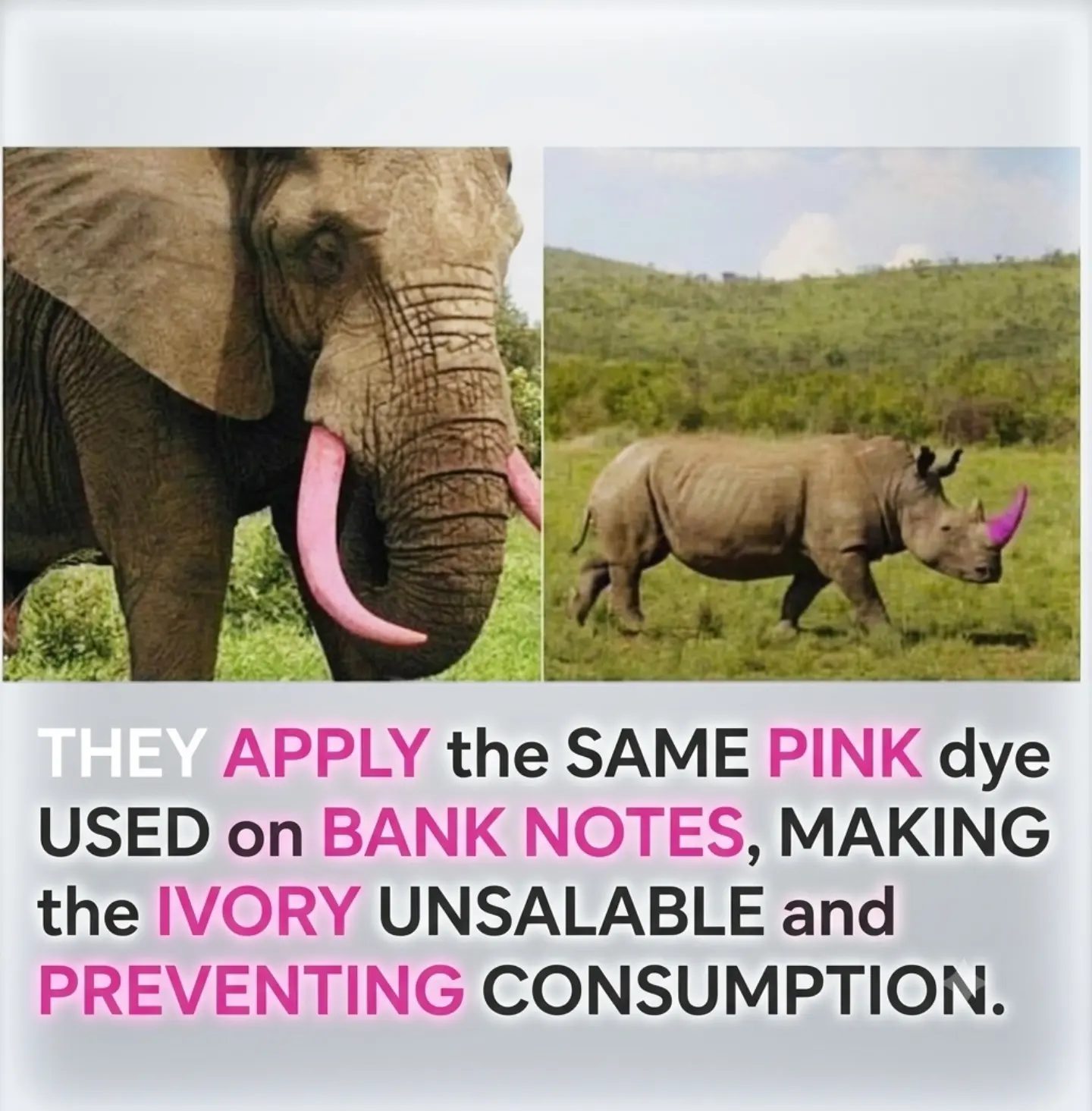
Wildlife conservation efforts often involve creative strategies to protect endangered species from poaching and illegal trade. One such concept that has gained attention is the idea of marking ivory with pink dye, similar to the dye used on bank notes. However, this method is not as straightforward as it may seem.
Why This Matters
The illegal wildlife trade, particularly the poaching of elephants and rhinos for their ivory and horns, poses a significant threat to these species' survival. Understanding the realities and challenges of conservation efforts is crucial for supporting initiatives that genuinely protect wildlife.
Main Discussion
The Pink Dye Myth
The notion of applying pink dye to ivory and horns to make them unsalable on the black market has circulated widely. The idea is that by marking ivory with a dye similar to that used on bank notes, it becomes easily identifiable and thus unsalable, preventing its consumption. While this concept is appealing, it is also a common misconception. The viral images showcasing brightly dyed tusks and horns are often Photoshopped.
Elephants: The Reality
Elephants' tusks are dense, living bones rooted in their skulls. They cannot absorb surface dyes effectively. Repeatedly darting and handling wild elephants to apply dye would be extremely dangerous and stressful for these animals. Conservationists prioritize the health and well-being of elephants, making such a strategy impractical and potentially harmful.
Rhinoceros: The Real Approach
For rhinos, some conservation projects do use a different method to protect their horns. They inject indelible dye and anti-parasitic compounds into the interior of the horns. This process devalues the horn on the black market because it becomes visible on airport X-rays and is less desirable to buyers. However, this method does not turn the outside of the horn a bright pink as often depicted in misleading images.
Practical Tips
Supporting Real Conservation
To genuinely support wildlife conservation, it's essential to focus on evidence-based strategies that have been proven to work. These include:
- Anti-Poaching Efforts: Support initiatives that employ local anti-poaching teams and use advanced technology to monitor and protect wildlife.
- Habitat Preservation: Donate to organizations that work on preserving and restoring natural habitats, as healthy ecosystems are crucial for wildlife survival.
- Public Awareness: Spread accurate information about conservation efforts to raise awareness and combat misinformation.
Avoiding Myths and Misconceptions
Always verify information from reliable sources. Many well-intentioned but misinformed strategies can do more harm than good. Engage with conservation organizations and experts to stay informed about the most effective practices.
Direct Support
Consider directly supporting organizations involved in wildlife conservation. Some notable organizations include:
- World Wildlife Fund (WWF): Focuses on a wide range of conservation projects, including anti-poaching efforts and habitat preservation.
- The Wildlife Conservation Society (WCS): Works on protecting wildlife and wild places through field research and conservation projects.
- African Wildlife Foundation (AWF): Specializes in protecting Africa's wildlife and natural resources, including anti-poaching efforts.
Important Takeaways
- The idea of marking ivory with pink dye to prevent poaching is a myth. Real conservation requires more comprehensive and practical strategies.
- Elephants cannot be effectively marked with surface dyes, and such attempts would be harmful.
- Some rhino conservation projects do inject indelible dye into the interior of horns to devalue them on the black market, but this does not make the outside bright pink.
- Effective conservation involves anti-poaching efforts, habitat preservation, and public awareness.
Conclusion
Wildlife conservation is a complex field that requires a multifaceted approach. By supporting evidence-based strategies and avoiding misconceptions, we can contribute to the protection of endangered species like elephants and rhinos. Understanding the realities of conservation helps us make informed decisions and support initiatives that truly make a difference.
Questions readers ask
Can pink dye on tusks really deter poachers from targeting elephants and rhinos?
No, attempts to dye elephant tusks and rhino horns with pink dye is not a viable anti-poaching strategy. Unlike paper, elephant tusks cannot absorb surface dyes, making any marking attempts ineffective. Rhino horns dyed with pink dye do not show the bright pink color often portrayed, and the process can be harmful to the animal.
Why is marking ivory with dye an ineffective poaching prevention strategy?
Nothing will soak through the surface of an elephant tusk and any attempts to mark ivory with dye would be dangerous to the animal and ineffective. The poaching black market is filled with individuals who can easily remove or cover up any markings, rendering the dye useless as a deterrent.
How do poachers react to markings on wildlife parts like ivory and rhino horns?
Poachers are aware of the common marking strategies used in conservation efforts and have developed methods to remove or conceal these markings. They are also knowledgeable about the black market, which often finds ways to sell marked items, making marking a less effective method of deterring poaching.
Are there alternative strategies for wildlife conservation that have proven more effective than dyeing tusks and horns?
There are several of anti-poaching strategies that have shown success in protecting wildlife, including increased patrols, advanced monitoring technology, community involvement, and strict law enforcement. Additionally, efforts to reduce demand for ivory and horns can help decrease poaching activities.
What are some of the challenges associated with dyeing tusks and horns?
The process of dyeing tusks and horns can be harmful to the animals. Additionally, the dye may not adhere properly to the ivory or horn, making the marking ineffective. These challenges, along with the fact that poachers can easily remove or conceal the markings, make dyeing an impractical poaching prevention strategy.
Why is the pink dye poaching myth so prevalent despite its ineffectiveness?
The pink dye poaching myth is often spread through misinformation and oversimplification of complex conservation issues. It is crucial to rely on accurate information and evidence-based strategies when discussing wildlife conservation efforts.
Related deep dives
Similar reads based on topic and creator.


Recent articles
Fresh deep dives from the latest Reels we unpacked.




Comments
Be the first to comment.