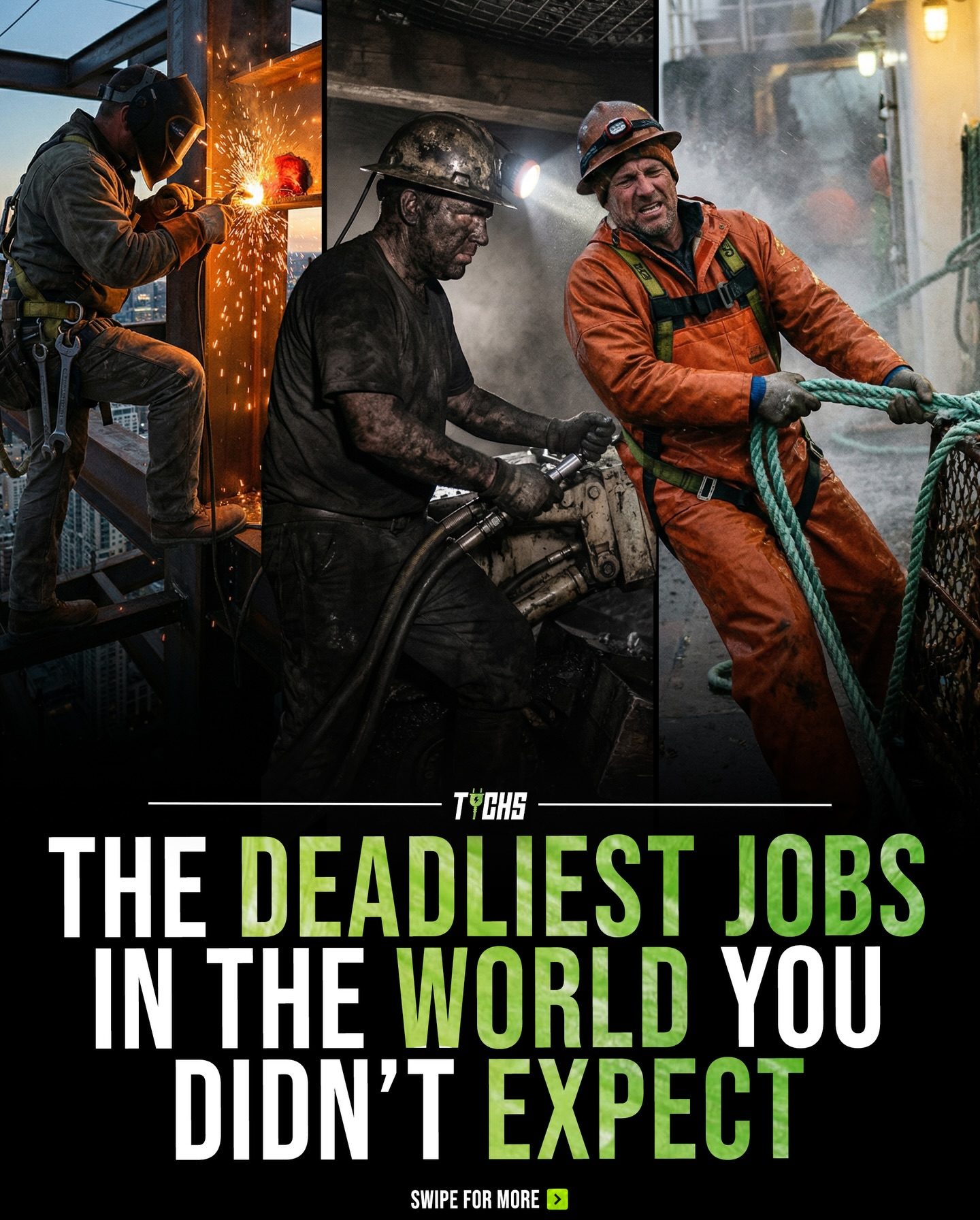
The Deadliest Jobs in the World
Some of the world's most perilous jobs may not be what you expect. Certain everyday professions carrying serious risks due to extreme environments and physical demands. These jobs, though essential, often go unnoticed for the dangers they entail. From the unpredictable environments of commercial fishing to the long hours and traffic hazards faced by truck drivers, these professions demand a level of bravery and resilience that is often overlooked.
Why These Jobs Matter
Understanding the risks associated with these jobs is crucial for several reasons. Firstly, it highlights the importance of safety measures and regulations. Secondly, it fosters a deeper appreciation for the essential workers who keep our systems running. Lastly, it encourages a dialogue about workplace safety and the need for better support systems for these workers.
High-Risk Professions
Commercial Fishing
Commercial fishing consistently ranks as one of the most dangerous jobs in the world. Fishermen face a myriad of hazards, including harsh weather conditions, heavy machinery, and unpredictable environments. According to recent data, around 80 to 90 deaths occur per 100,000 workers each year in this profession. The combination of these factors makes commercial fishing one of the deadliest jobs globally.
Truck Driving
Truck driving is another profession that carries significant risks. Drivers often face long hours, traffic hazards, and confined spaces. With around 25 to 27 deaths per 100,000 workers annually, truck driving is a high-risk job that demands constant vigilance and stamina. The nature of the job requires drivers to be on the road for extended periods, increasing the likelihood of accidents and health-related issues.
Logging and Mining
Logging and mining are among the most hazardous professions, involving heavy machinery and confined spaces. Loggers work in challenging environments with the constant risk of falling trees and heavy equipment. Miners, on the other hand, face the dangers of cave-ins, explosions, and hazardous materials. Both professions require rigorous safety protocols to mitigate these risks.
Roofing, Ironwork, and Wind Turbine Maintenance
Roofing, ironwork, and wind turbine maintenance involve working at extreme heights, posing a constant risk of fatal falls. Welders, for example, often work at elevated positions, requiring them to be careful and cautious at all times. These jobs demand a high level of precision and physical endurance, making them some of the most dangerous in the world.
Garbage Collection
Garbage collection might seem like a mundane task, but it comes with its fair share of risks. Workers in this field face hazards such as sharp objects, hazardous materials, and traffic. The nature of the job requires them to be on the move constantly, increasing the likelihood of accidents and injuries. This essential service is often overlooked for the dangers it entails.
Practical Tips for Safety
For those in high-risk professions, adhering to safety protocols is paramount. Here are some practical tips to enhance safety:
- Regular Training and Drills: Engage in regular safety training and drills to stay updated on best practices and emergency protocols.
- Use of Protective Gear: Always wear the appropriate protective gear for the job. This includes helmets, harnesses, and safety goggles.
- Maintain Equipment: Regularly inspect and maintain equipment to ensure it is in good working condition.
- Communicate Effectively: Maintain clear communication with team members to avoid accidents and ensure everyone is aware of potential hazards.
- Take Breaks: Ensure you take regular breaks to avoid fatigue, which can lead to accidents.
Important Takeaways
- High Mortality Rates: Jobs like commercial fishing and truck driving have high mortality rates due to the nature of the work and the environments they operate in.
- Essential Workers: Many of these high-risk jobs are performed by essential workers who keep our systems running.
- Safety Measures: Proper safety measures and protocols are crucial to mitigating risks in these professions.
Conclusion
The world's deadliest jobs are not always the ones that come to mind. From the harsh conditions of commercial fishing to the long hours of truck driving, these professions demand a level of bravery and resilience that is often unrecognized. By understanding the risks and taking necessary precautions, we can ensure the safety of these essential workers and foster a deeper appreciation for their contributions to society.
Questions readers ask
What makes commercial fishing one of the deadliest jobs in the world?
Commercial fishing is considered one of the deadliest jobs due to its unpredictable and extreme working conditions. Fishermen face hazards such as severe weather, equipment malfunctions, and the risk of falling overboard, all while working long hours in remote locations. This makes their occupation particularly perilous.
Why is truck driving classified as a high-risk profession?
Truck driving is a high-risk profession primarily because of the long hours spent on the road and the constant exposure to traffic hazards. Truck drivers often face fatigue, which can impair their driving ability, and must navigate various road conditions and unpredictable weather patterns. Additionally, the risk of accidents involving large vehicles is significantly higher.
What are the primary dangers associated with the world's most dangerous jobs?
The world's most dangerous jobs often involve a combination of extreme working conditions, unpredictable environments, and physical demands. These dangers can include harsh weather, heavy machinery, long working hours, and exposure to hazardous materials. The risks are amplified by the need for these professions to operate in remote or isolated areas.
How do long working hours contribute to the risks in high-risk professions?
Long working hours can lead to fatigue and decreased alertness, which significantly increases the likelihood of accidents and errors. This is particularly true in professions like truck driving and commercial fishing, where a momentary lapse in concentration can have severe consequences. Ensuring adequate rest and breaks are essential for mitigating these risks.
What can be done to improve safety in these dangerous everyday jobs?
Improving safety in these high-risk professions involves implementing stricter regulations and safety measures, providing comprehensive training, and ensuring workers have access to appropriate safety gear. Additionally, public awareness campaigns can help foster a deeper appreciation for these essential workers and advocate for better working conditions.
What are some of the most common hazards in unpredictable work environments?
Unpredictable work environments, such as those in commercial fishing, present a variety of hazards including sudden changes in weather, unstable surfaces, and the risk of equipment failure. These conditions can lead to hazardous situations that require quick thinking and preparedness. Regular safety inspections and emergency preparedness training can help mitigate these risks.
What role does safety advocacy play in reducing occupational hazards?
Safety advocacy plays a crucial role in reducing occupational hazards by promoting awareness and pushing for stricter safety regulations. Advocates work to ensure that workers in high-risk professions are provided with the necessary protective gear and training. They also advocate for better working conditions and support policies that address the unique challenges faced by these essential workers.
Related deep dives
Similar reads based on topic and creator.




Recent articles
Fresh deep dives from the latest Reels we unpacked.




Comments
Be the first to comment.