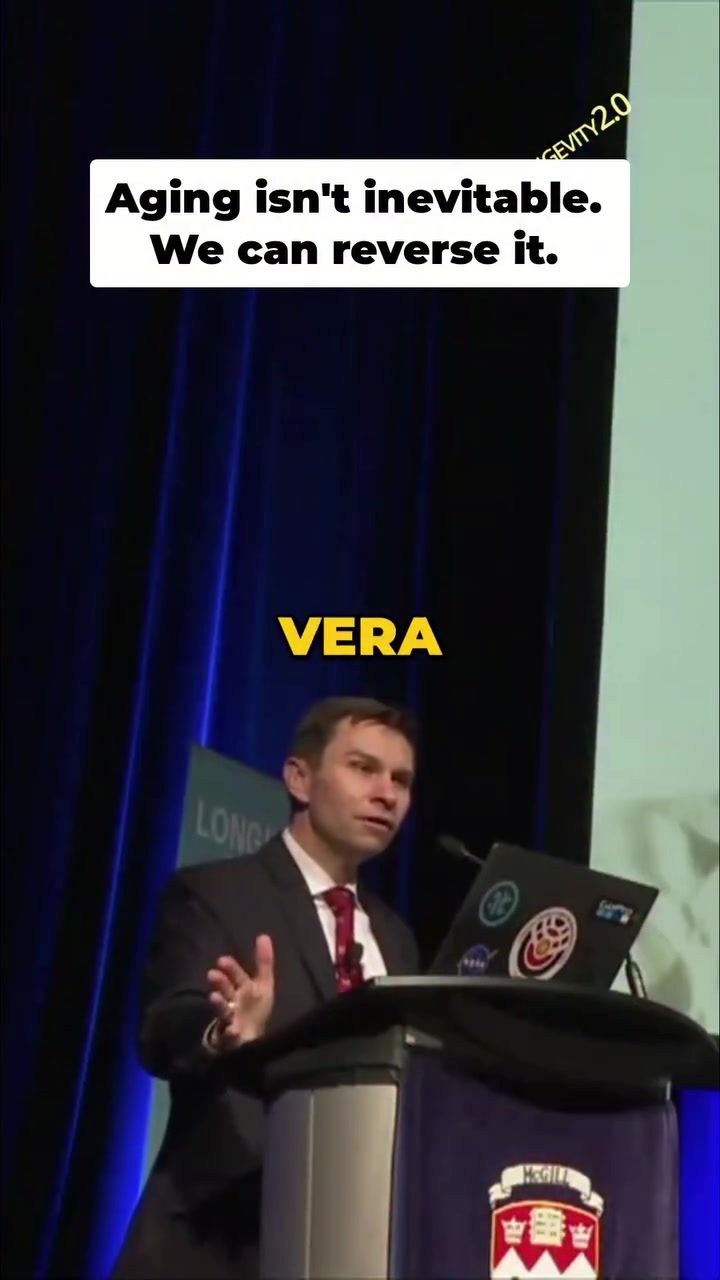
Aging — What if we stop accepting it as an inevitable decline?
Aging is often seen as an inevitable decline, a process we accept as part of life. But what if we refuse to accept that narrative? What if aging is not just a natural process, but a biological one that we can understand, influence, and even slow down?
For many scientists, the motivation to study aging is deeply personal. One such scientist is David Sinclair, who often speaks about his grandmother Vera. She was a vibrant, adventurous woman who loved life. She lived boldly, from being kicked off Bondi Beach for wearing a bikini in the 1950s to living in New Guinea in the 1960s. Yet, in her later years, she spent a decade in a state of decline that no one would wish for themselves or their loved ones. This stark contrast between her vibrant past and her declining later years is a stark reminder of the impact of aging.
Why this matters
The acceptance of aging as an inevitable decline has led to a passive approach towards it. Many people believe that diseases and decline in health are just a part of getting older, and that’s just the way it goes. But why do we accept this narrative for aging when we have made significant strides in other areas of health? Diseases like infections, childbirth complications, and many forms of cancer were once considered inevitable, but advancements in science have changed those outcomes. The same principle can be applied to aging — by understanding the biological processes involved, we can work towards slowing down or even reversing some of the effects of aging.
Scientists like Sinclair are asking the question: What if aging is not just a natural decline, but a biological process we can influence? The goal is not immortality, but rather to keep the whole body healthier for longer. This means fewer people spending their final decades in suffering and decline. Future generations may look back at today's views on aging in the same way we look back at medicine before the discovery of antibiotics — as a time when we hadn’t yet unlocked the full potential of longevity research.
From infections to longevity
The human history of medicine is full of examples where we once believed certain outcomes to be inevitable. But with advancements in science and technology, we've been able to change those outcomes. Take, for example, infections before the invention of antibiotics. People would die from what we now consider minor infections. Similarly, death in childbirth was once common, but advancements in obstetrics and medicine have significantly reduced maternal mortality rates. Many forms of cancer were once considered fatal, but today, we have treatments and cures for many types of cancer.
The same principles can be applied to aging. By understanding the biological processes involved in aging, we can work towards slowing down or even reversing some of the effects. Researchers are studying why some species live for hundreds, even thousands of years. How do they do it? And if we can understand their mechanisms, can we apply that knowledge to human longevity?
Generational health and longevity
Aging impacts not just the individual, but also their family and future generations. As Sinclair puts it, his hope is that his father, his generation, and certainly their children and grandchildren will live lives that are very different from what we experience today. By focusing on generational health and longevity, we can create a future where people live healthier, more active lives well into their later years.
This shift in perspective can have a profound impact on society. Imagine a world where people in their 80s and 90s are as vibrant and active as they were in their 50s and 60s. This is not just a futuristic dream, but a realistic goal that scientists are working towards today.
Practical tips for longevity
While the science of longevity is still evolving, there are practical steps you can take to support overall health and longevity. Here are a few tips:
Maintain a balanced diet
What you eat has a significant impact on your overall health and longevity. Focus on a diet rich in fruits, vegetables, lean proteins, and whole grains. Limit processed foods and sugars, and stay hydrated.
Regular Exercise
Regular physical activity is crucial for maintaining health and longevity. Aim for at least 30 minutes of moderate exercise most days of the week. This could be anything from brisk walking to cycling or swimming.
Mental Stimulation
Keeping your mind active is just as important as keeping your body active. Engage in mentally stimulating activities like reading, puzzles, or learning new skills to support cognitive health.
Social Connections
Maintaining strong social connections can have a positive impact on both mental and physical health. Make an effort to stay connected with friends, family, and community.
Preventive Healthcare
Regular check-ups and screenings can help detect health issues early, when they are often easier to treat. Stay up-to-date with recommended screenings and vaccinations.
Stress Management
Chronic stress can take a toll on both mental and physical health. Find healthy ways to manage stress, such as meditation, yoga, or spending time in nature.
Important takeaways
- Aging is a biological process that we can understand, influence, and slow down.
- The goal of longevity research is to keep the whole body healthier for longer, reducing the time spent in suffering and decline.
- Focus on generational health and longevity to create a future where people live healthier, more active lives well into their later years.
- Practical steps like maintaining a balanced diet, regular exercise, mental stimulation, social connections, preventive healthcare, and stress management can support overall health and longevity.
Conclusion
Aging doesn't have to be an inevitable decline. By understanding the biological processes involved and taking practical steps to support our health, we can work towards a future where people live healthier, more active lives well into their later years. Imagine a world where people in their 80s and 90s are as vibrant and active as they were in their 50s and 60s. This is not just a futuristic dream, but a realistic goal that scientists are working towards today. By refusing to accept aging as an inevitable decline and taking proactive steps, we can create a future where everyone has the opportunity to live a long, healthy, and fulfilling life.
Questions readers ask
Who is David Sinclair and why is he significant in the field of aging research?
David Sinclair is a prominent scientist known for his groundbreaking work in the field of aging. His research challenges the traditional view of aging as an inevitable decline, instead focusing on it as a biological process that can be influenced and potentially slowed. His personal experiences, particularly the loss of his grandmother, have driven his passion for understanding and extending human healthspan and lifespan.
What inspired David Sinclair to pursue research on aging?
David Sinclair’s inspiration to pursue research on aging comes from a deeply personal experience. He witnessed his grandmother, Vera, transition from a vibrant, adventurous woman to a state of decline in her later years. This stark contrast motivated him to explore ways to understand and potentially slow down the aging process, aiming to prevent others from experiencing similar declines.
What is the main focus of David Sinclair's research on aging?
David Sinclair's research focuses on the idea that aging is a biological process that can be understood and influenced. He explores how to slow down aging and extend healthy human life. His work includes studying factors that control the body’s response to stress, and examining the ability of certain compounds to alter gene expression, which could potentially lead to longer, healthier lives.
How does David Sinclair view the future of aging research?
David Sinclair envisions a future where aging is not merely accepted as an inevitable decline. His research aims to uncover the mechanisms behind aging, offering new possibilities for extending healthy human life. He believes that by understanding and influencing the biological processes of aging, we can develop interventions that significantly improve healthspan and lifespan.
What are some of the key findings from David Sinclair's research on aging?
David Sinclair's research has led to several key findings. He has identified specific compounds, such as resveratrol and nicotinamide mononucleotide (NMN), that can influence the body's biological processes and potentially slow down aging. His work also highlights the role of sirtuins, a class of proteins that regulate gene expression in response to stress and aging, offering promising avenues for longevity research.
How does Sinclair's work contribute to the broader field of longevity research?
David Sinclair's work contributes to the broader field of longevity research by providing new insights into the mechanisms of aging. His findings on the role of sirtuins and the effects of specific compounds offer practical applications for developing interventions that can slow down aging and extend healthy human life. His research also inspires others to explore similar avenues, fostering a more comprehensive understanding of how to influence the biological aging process.
Recent articles
Fresh deep dives from the latest Reels we unpacked.




Comments
Be the first to comment.