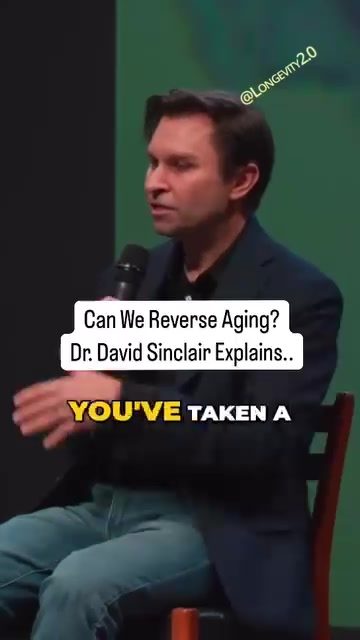
Can We Reverse Aging?
Reversing aging is an idea that has long captivated scientists and physicians alike. Dr. David Sinclair, a leading researcher in the field of aging and genetics, has proposed a compelling vision: aging as a treatable and potentially reversible condition. Sinclair, a prominent figure in longevity research, suggests that significant advances in medical technology and treatments have the potential to extend not just lifespan, but also healthspan, making the prospect of reversing aging a reality within the next 5 to 10 years.
Why This Matters
Understanding the reversible nature of aging opens up new avenues for medical intervention. As we age, our bodies undergo numerous biological changes that make us more susceptible to diseases like heart disease, diabetes, and cancer. By viewing aging as a medical condition, we can focus on interventions that target these underlying changes, potentially pushing the onset of age-related diseases further into the future, thus significantly improving our overall quality of life.
Main Discussion
The Epigenome and Aging
One of the key areas of focus in reversing aging is the epigenome. The epigenome, a set of chemical compounds that sit on top of our DNA and control how our genes are read, can be modified through medications and supplements. This means that the changes we experience as we age can potentially be reversed. Sinclair emphasizes that using targeted treatments to modify the epigenome can offer a pathway to reversing aging.
Treating Aging as a Medical Condition
Dr. Sinclair's approach hinges on the idea that aging, like any other medical condition, can be identified, diagnosed, and treated. By shifting the paradigm, we can develop targeted therapies that address the root causes of aging, rather than just managing its symptoms. Sinclair suggests that treatments developed to modify the epigenome could effectively reverse aging, thus delaying the onset of age-related diseases.
The Role of Medicines and Supplements
Medicines and supplements play a crucial role in Sinclair's vision. By utilizing these treatments, we can modify the epigenome, potentially reversing the aging process. Sinclair cites examples of how certain compounds, such as resveratrol and NMN, have shown promise in research studies. These substances are being studied for their potential to combat age-related decline by modifying the epigenome.
Diseases and Aging
The connection between aging and diseases is well-documented. As we age, our risk of developing diseases like heart disease, diabetes, and cancer significantly increases. By treating aging, we can effectively push these diseases further into the future, giving us more years of healthy living. Sinclair's research suggests that by modifying the epigenome, we can slow or even reverse the aging process, thereby reducing the risk of these age-related diseases.
The Future of Aging
The future of aging is filled with possibilities. Sinclair's research provides hope that we can take control of the aging process and improve our overall healthspan. By viewing aging as a treatable condition and developing targeted therapies, we can potentially extend our healthier, more active years, making aging a more manageable and less debilitating process.
Practical Tips
While research is ongoing, there are steps you can take to support your healthspan:
Adopt a Healthy Lifestyle
A balanced diet, regular exercise, and adequate sleep are fundamental to maintaining overall health. These habits can help slow the aging process and reduce the risk of age-related diseases. The epigenome responds to lifestyle changes, and a healthy lifestyle can positively impact gene expression, contributing to overall longevity.
Explore Supplements and Medicines
While more research is needed to confirm their long-term benefits, certain compounds like resveratrol and NMN have shown promise in early studies. Consult with a healthcare provider before incorporating any new supplements into your regimen, as individual needs and potential interactions must be considered.
Stay Informed and Engaged
Research in the field of aging is constantly evolving. Stay informed about the latest developments in longevity research. Engaging with credible sources and staying updated on clinical trials and breakthroughs can provide valuable insights into new treatments and interventions.
Undergo Regular Check-Ups
Regular medical check-ups can help identify any potential issues early, allowing for timely intervention. Early detection and management of age-related conditions can significantly improve health outcomes and quality of life.
Important Takeaways
The concept of reversing aging, once considered a distant dream, is now a tangible possibility. By leveraging advancements in epigenetics, medicines, and supplements, we can potentially reverse the aging process. Viewing aging as a treatable condition opens up new possibilities for medical intervention, allowing us to extend our healthspan and reduce the risk of age-related diseases. Staying informed, adopting a healthy lifestyle, and engaging with new research can all contribute to a longer, healthier life.
Conclusion
The future of aging is here, and it is filled with hope. Dr. David Sinclair's groundbreaking perspective on aging as a treatable and potentially reversible condition offers a new pathway to extending healthspan and improving overall quality of life. By focusing on the epigenome and developing targeted therapies, we can push age-related diseases further into the future, making aging a more manageable and less debilitating process. Embracing this vision and taking proactive steps toward better health can help us take control of our aging journey, paving the way for a healthier, more vibrant future.
Questions readers ask
Who is Dr. David Sinclair and why is he significant in the context of aging research?
Dr. David Sinclair is a prominent researcher in the fields of aging and genetics. He is significant due to his pioneering work on epigenome modification and his compelling vision of aging as a treatable and potentially reversible condition. His ideas have sparked advancements in longevity research.
What does Dr. Sinclair mean by reversing aging?
When Dr. Sinclair talks about reversing aging, he refers to the idea of treating the root causes of aging to delay or even halt age-related diseases. This approach aims to extend both lifespan and healthspan, improving the overall quality of life as people get older.
How does epigenome modification play a role in Dr. Sinclair's vision of reversing aging?
Epigenome modification involves changes in gene expression rather than the underlying DNA sequence. Dr. Sinclair believes that by targeting these epigenetic changes, it is possible to reverse or delay the biological processes that contribute to aging and age-related diseases.
What are some of the age-related diseases that could be impacted by advances in aging research?
Advances in aging research, as envisioned by Dr. Sinclair, could significantly impact the prevention and treatment of various age-related diseases. These include heart disease, diabetes, and certain types of cancer, all of which have been linked to the aging process.
What is the difference between lifespan and healthspan, and why is extending both important?
Lifespan refers to the total length of time a person lives, while healthspan refers to the period of life spent in good health, free from chronic diseases. Extending both lifespan and healthspan is crucial because it means not only living longer but also enjoying a higher quality of life for a greater portion of those years.
What medical advances does Dr. Sinclair believe will contribute to reversing aging?
Dr. Sinclair believes that significant advances in medical technology and treatments, such as those targeting the epigenome, will play a key role in reversing aging. These advances could lead to new therapies that delay or prevent age-related diseases, improving overall health and well-being.
How soon does Dr. Sinclair anticipate these advancements in aging treatment to become a reality?
Dr. Sinclair is optimistic that these advancements could become a reality within the next 5 to 10 years. His vision is based on the rapid progress being made in medical technology and epigenome modification, which could lead to treating aging as a reversible condition in the near future.
Recent articles
Fresh deep dives from the latest Reels we unpacked.




Comments
Be the first to comment.