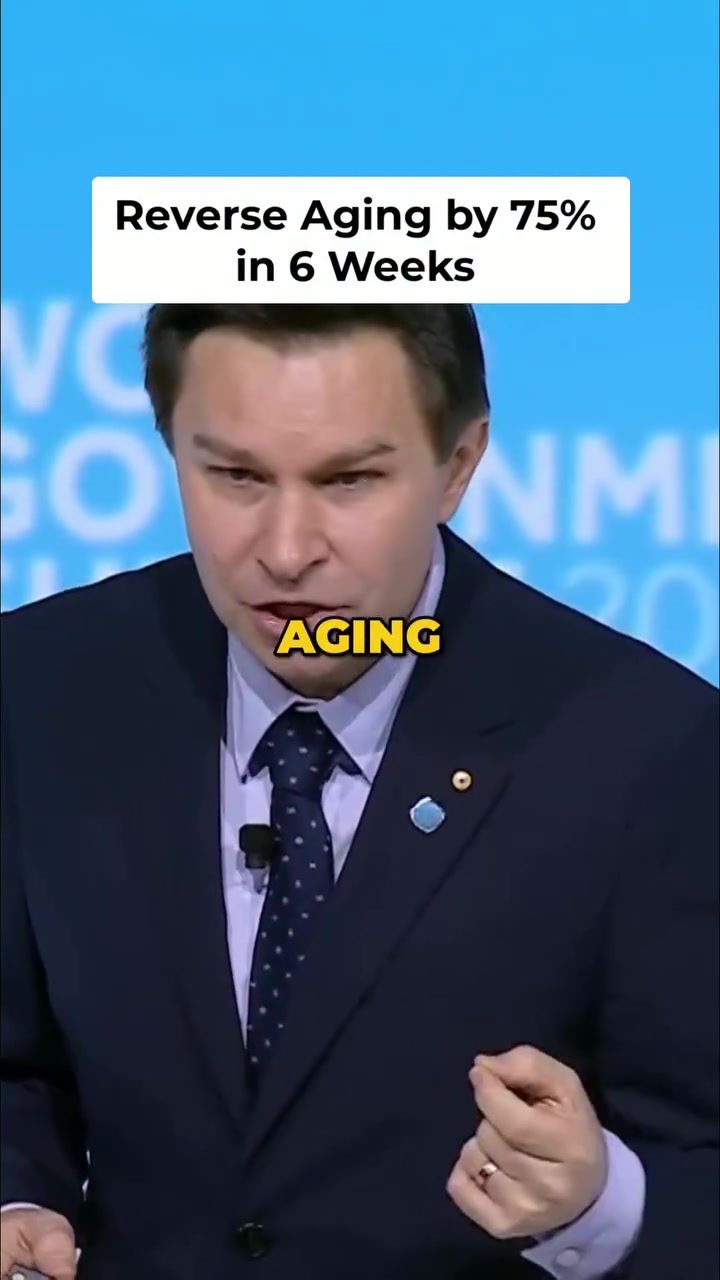
The Information Theory of Aging
Aging is a complex process that has puzzled scientists for decades. Dr. David Sinclair, a renowned researcher in the field of aging, proposes an intriguing theory known as the Information Theory of Aging. This theory suggests that aging is not merely the result of cellular damage but rather a consequence of lost cellular information.
Why This Matters
Understanding the mechanisms behind aging could pave the way for revolutionary treatments that extend human lifespan and improve the quality of life in our later years. Sinclair's theory offers a new perspective on aging, focusing on the loss of cellular information rather than the accumulation of damage. If this theory holds true, it could lead to the development of therapies that restore cellular function, effectively reversing the aging process.
The Information Theory of Aging
The Analog of DNA to a CD
To grasp the essence of the Information Theory of Aging, consider a CD. As we age, the DNA within our cells can be thought of as a CD with a layer of dust or scratches that makes it difficult for the cell to read its information correctly. This analogy underscores the idea that aging is not about the deterioration of the cell's hardware (DNA) but rather the loss of its ability to interpret the information stored within. Sinclair’s lab has shown that it is possible to "polish" this CD, removing the scratches and rejuvenating the cells, making them function as if they were young again. This process can be likened to reinstalling the software of the body, restoring youthful cellular function.
Experimental Evidence
In animal studies, Sinclair’s lab has achieved remarkable results. Researchers have demonstrated that they can reverse the signs of aging by 75% in just six weeks. This involves partially restoring the lost cellular information, which in turn rejuvenates tissues such as the eye and brain. The eye, known for its complexity, has shown significant improvement in function after this process. This provides compelling evidence that the Information Theory of Aging may be accurate and offers a promising avenue for age-reversal therapies.
The Role of Epigenetics
A key aspect of this theory involves the epigenome, which is the layer of information that controls how our genetic material is read. As we age, the epigenome undergoes changes that affect how our cells function. Sinclair’s lab has conducted experiments involving mice, showing that they can accelerate the aging process by altering the epigenome. This provides further support for the idea that aging is a result of lost cellular information rather than inherent damage to the DNA.
Two mice, born on the same day and of the same age, are used in these experiments. By putting specific chemicals on the DNA, researchers can make one of the mice age faster, effectively demonstrating the impact of altered cellular information on the aging process. This experiment highlights the potential to reverse aging by restoring the cells’ ability to correctly interpret their DNA, thereby reversing the aging process.
Practical Tips for Healthy Aging
While direct applications of these findings for humans are still in the experimental stages, there are several practical steps you can take to support healthy aging based on current scientific understanding:
- Maintain a Healthy Lifestyle: Regular exercise, a balanced diet, and adequate sleep are crucial for maintaining overall health and cellular function.
- Stay Informed: Following the latest research in longevity and aging can provide new insights and strategies for healthy aging.
- Consider Longevity Newsletters: Subscribing to newsletters that provide updates on the latest research in aging can keep you informed about new developments and actionable strategies.
Important Takeaways
- Cellular Information Loss: Aging is primarily due to the loss of cellular information, not just damage to DNA.
- Reversal Potential: Experimental studies show that it is possible to reverse signs of aging by restoring cellular information.
- Epigenetics Matters: The epigenome plays a critical role in how our cells read and interpret genetic information.
- Early-Stage Research: While promising, age-reversal therapies are still in the experimental phase and have not been proven safe and effective for humans.
Conclusion
The Information Theory of Aging offers a groundbreaking perspective on the aging process. By understanding that aging is a result of lost cellular information, researchers like Dr. David Sinclair are paving the way for potential age-reversal therapies. While these findings are incredibly exciting, it is important to remember that they are still in the experimental stages. As research continues, we can look forward to new insights and interventions that may one day extend human lifespan and improve the quality of life in our later years.
Questions readers ask
What is the Information Theory of Aging proposed by Dr. David Sinclair?
The Information Theory of Aging, proposed by Dr. David Sinclair, suggests that aging occurs due to the loss of cellular information rather than solely the accumulation of cellular damage. This theory offers a new perspective on the aging process, focusing on the restoration of cellular function to reverse the effects of aging.
How does the Information Theory of Aging differ from traditional views on aging?
Traditional views on aging often focus on the accumulation of cellular damage over time. In contrast, the Information Theory of Aging posits that aging is primarily caused by the loss of essential cellular information, which can be targeted for restoration to potentially reverse aging.
What are the potential implications of Dr. Sinclair's research for human lifespan?
Dr. Sinclair's research, if validated, could pave the way for revolutionary treatments aimed at extending human lifespan. By focusing on restoring cellular information and function, these treatments could significantly prolong life and improve the quality of life in later years.
How might the Information Theory of Aging lead to new treatments for aging?
The Information Theory of Aging suggests that by targeting the loss of cellular information, new therapies could be developed to restore cellular function. These therapies could potentially reverse the aging process, leading to enhanced health and longevity.
What is the significance of Dr. Sinclair's claim that aging can be reversed by 75% in 6 weeks?
Dr. Sinclair's claim highlights the potential for rapid and significant reversals in the aging process. While this is an ambitious target, it underscores the transformative potential of his research and the possibility of achieving substantial rejuvenation in a relatively short period.
What role does the epigenome play in Dr. Sinclair's research on aging?
The epigenome, which influences how genes are expressed, is a key area of interest in Dr. Sinclair's research. By understanding and manipulating the epigenome, scientists may be able to restore lost cellular information and reverse the aging process.
How does Dr. Sinclair's research on the epigenome contribute to aging research breakthroughs?
Dr. Sinclair's work on the epigenome provides new insights into the mechanisms of aging. By focusing on how epigenetic changes contribute to the loss of cellular information, his research offers a novel approach to developing therapies that could reverse aging and improve overall health.
Related deep dives
Similar reads based on topic and creator.


Recent articles
Fresh deep dives from the latest Reels we unpacked.




Comments
Be the first to comment.