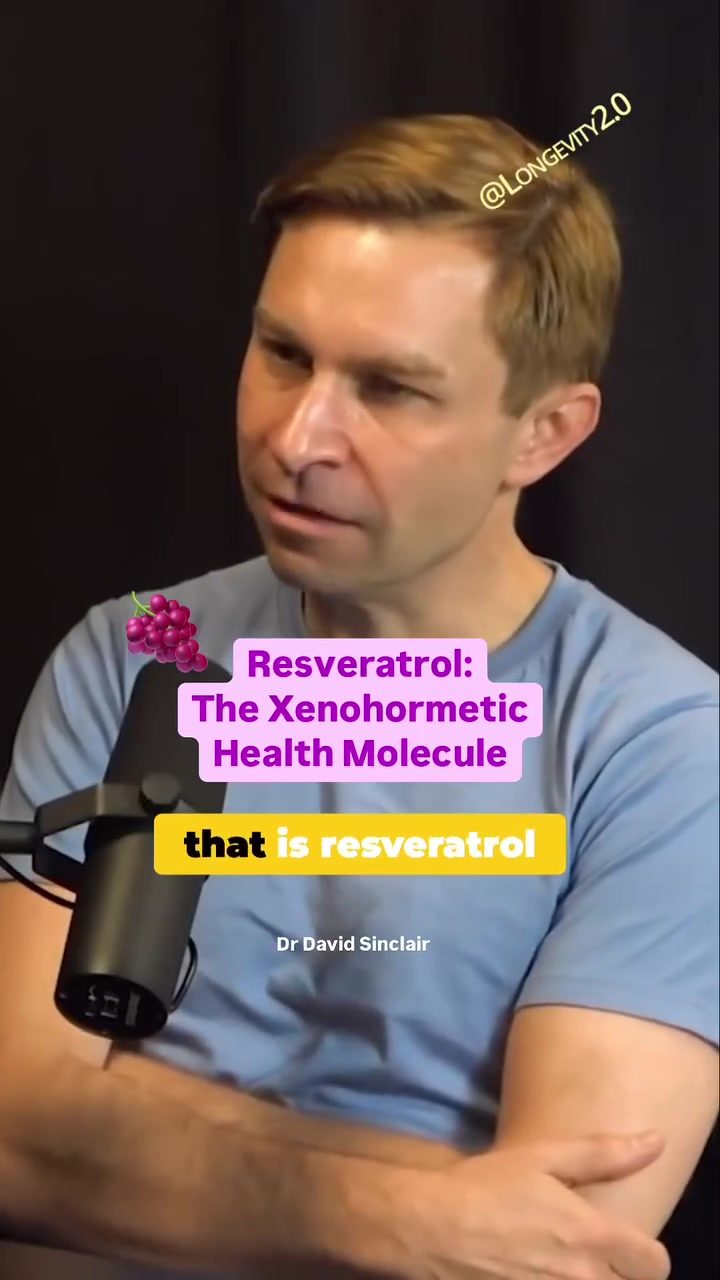
Resveratrol: The Xenohormetic Health Molecule
Resveratrol is a powerful polyphenol that has gained significant attention for its potential health benefits. It is found naturally in various plants, with grapes and grapevines being among the richest sources. This molecule is produced in abundance when these plants are under stress, such as when they are dried out, exposed to excessive light, or infected with fungus. This characteristic makes resveratrol a prime example of a xenohormetic molecule, meaning it provides health benefits across different species.
Why this Matters
The term "xenohormesis" refers to the ability of certain molecules to activate beneficial pathways in different organisms. This concept is particularly relevant when discussing resveratrol, as it has been shown to activate the SIR2 enzyme in our bodies. The SIR2 enzyme is crucial for extending lifespan in yeast and slowing down aging in the brain. Understanding how resveratrol interacts with our biology can provide insights into potential anti-aging strategies.
The Science Behind Resveratrol
Hormesis and Resveratrol
Hormesis is a biological phenomenon where a beneficial effect is produced by exposure to low doses of a stressor. In the context of resveratrol, this means that the molecule can enhance our health and longevity when consumed in moderate amounts. Plants, under adversity, produce resveratrol as a defense mechanism. This production triggers our bodies to prepare for potential famine or stress, leading to health improvements.
Resveratrol and SIR2 Enzyme
Research has shown that resveratrol activates the SIR2 enzyme, which plays a critical role in extending lifespan and slowing down aging. The SIR2 enzyme is involved in various biological processes, including DNA repair, gene expression, and metabolism. By activating this enzyme, resveratrol can potentially slow down the aging process and reduce the risk of age-related diseases.
Practical Tips for Incorporating Resveratrol
Foods Rich in Resveratrol
Grapes and grapevines are not the only sources of resveratrol. Other foods that contain this beneficial molecule include:
- Berries: Blueberries, cranberries, and mulberries are excellent sources of resveratrol.
- Nuts: Peanuts and pistachios contain resveratrol in significant amounts.
- Red Wine: Moderate consumption of red wine can provide resveratrol, but it's important to note that excessive alcohol consumption can have detrimental health effects.
Choosing the Right Vegetables
When selecting vegetables, opt for those that have undergone some stress, such as:
- Organic and Locally Grown Foods: These vegetables are more likely to have been exposed to natural stressors, leading to higher resveratrol content.
- Colorful Vegetables: Brightly colored vegetables, especially those with signs of stress like insect bites, tend to have higher levels of beneficial molecules.
Important Takeaways
Resveratrol is a powerful xenohormetic molecule with numerous health benefits. By incorporating resveratrol-rich foods into your diet, you can potentially slow down aging and improve your overall health. Remember that moderate consumption is key, as higher doses may not always be better. Additionally, choosing foods that have undergone natural stressors can enhance their nutritional value.
Conclusion
Resveratrol's potential to activate the SIR2 enzyme and its role in hormesis make it a valuable molecule for health and longevity. By understanding how resveratrol works in our bodies and incorporating it into our diets, we can take proactive steps towards better health and extended lifespan.
Questions readers ask
What are the primary health benefits of resveratrol?
Resveratrol offers several health benefits, including improved cardiovascular health, enhanced metabolic function, and potential anti-inflammatory effects. It is particularly noted for its role in promoting longevity and supporting overall well-being.
How does resveratrol promote anti-aging effects?
Resveratrol activates specific enzymes, such as sirtuins, which are linked to longevity and stress resistance. By mimicking the effects of caloric restriction, resveratrol can help extend lifespan and enhance healthspan.
What does Dr. David Sinclair say about resveratrol?
Dr. David Sinclair highlights resveratrol as a key molecule in his research on aging. He emphasizes its ability to activate beneficial pathways and its potential to improve health and longevity through its xenohormetic properties.
Why is resveratrol produced in plants under stress?
Plants produce resveratrol as a defensive response to stressors like drought, excessive light, or fungal infections. This production helps the plant survive and adapt, making resveratrol a valuable compound for human health as well.
What are the best natural sources of resveratrol?
The richest natural sources of resveratrol include grapes, particularly grape skins, and grapevines. Other sources include berries, peanuts, and certain types of Japanese knotweed. These sources provide resveratrol in varying concentrations, making them useful for dietary intake.
What are xenohormetic benefits and how do they relate to resveretrol?
Xenohormetic benefits are the health advantages gained from molecules that activate beneficial pathways across different species. Resveratrol is a prime example, as it triggers stress-response pathways in various organisms, promoting health and longevity.
How does resveratrol support longevity?
Resveratrol supports longevity by activating enzymes like sirtuins, which are associated with aging and longevity. This activation helps improve metabolic health, reduce inflammation, and enhance the body's stress response, contributing to a longer and healthier life.
Recent articles
Fresh deep dives from the latest Reels we unpacked.




Comments
Be the first to comment.