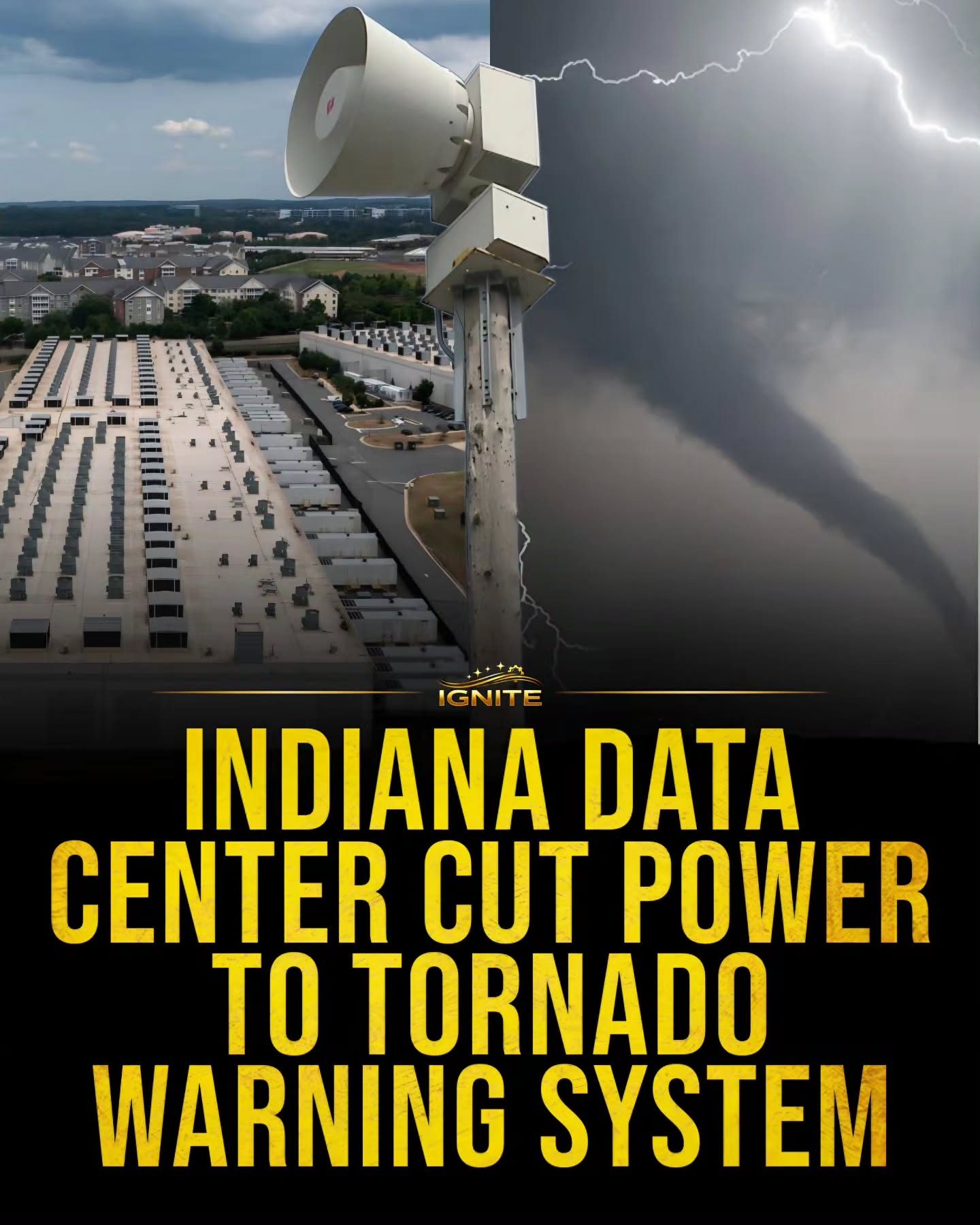
Data Center Power Backup: Ensuring Uptime During Severe Weather
Data centers are the backbone of modern IT infrastructure, housing critical data and applications. Ensuring their continuous operation, especially during severe weather events, is crucial. One effective strategy to safeguard data centers is implementing robust power backup systems. These systems not only provide a steady power supply but also help protect the physical infrastructure from damage.
Why This Matters
Data centers are vulnerable to severe weather events, such as tornadoes and hurricanes. These events can cause power outages, leading to data loss and downtime. Implementing backup power systems, like solar panels, can mitigate these risks. Additionally, advanced warning systems can trigger protective measures, such as cutting power to prevent damage to critical equipment.
Main Discussion
The Role of Backup Power Systems
Backup power systems are essential for maintaining the uptime of data centers. These systems ensure that data centers can continue operating even during power outages. Solar panels, for instance, can provide a sustainable and reliable source of backup power. They convert sunlight into electricity, which can be stored in batteries for use during outages.
Protecting Data Centers from Severe Weather
Severe weather events pose a significant threat to data centers. Tornadoes, for example, can cause extensive damage to physical infrastructure, leading to prolonged downtime. To protect against such events, data centers can implement tornado warning systems. These systems can trigger automatic responses, such as cutting power to prevent equipment damage.
The Ignite Indiana Data Center
The Indiana data center, operated by the company IGNITE, showcases an effective implementation of these protective measures. During a tornado warning, the system automatically cuts power. This action helps prevent potential damage to the data center's infrastructure and ensures a quicker recovery after the event.
Integration with Renewable Energy
Incorporating renewable energy sources like solar power into data center operations is another significant trend. Solar panels can provide a sustainable and eco-friendly source of backup power. This not only helps in maintaining uptime but also contributes to reducing the carbon footprint of data centers. This makes the data center more resilient to future environmental challenges.
Practical Tips
Assessing Backup Power Needs
When designing a backup power system for a data center, it's crucial to assess the specific power needs. This includes calculating the total power consumption and identifying critical systems that need uninterrupted power supply. This assessment will help in determining the size and capacity of the backup power system.
Implementing Automatic Power Cutoff
Automatic power cutoff systems can be a lifesaver during severe weather events. These systems can detect incoming threats and trigger a power cutoff to prevent damage. It's essential to integrate these systems with reliable warning systems for optimal performance. Regular testing and maintenance of these systems are also crucial to ensure their reliability.
Maintaining Renewable Energy Sources
Regular maintenance of renewable energy sources, such as solar panels, is essential for their longevity and efficiency. This includes cleaning the panels, checking for any damage, and ensuring that the battery storage systems are in good working condition. Proper maintenance can help maximize the benefits of using renewable energy sources for backup power.
Important Takeaways
- Backup power systems are crucial for maintaining data center uptime during severe weather events.
- Implementing tornado warning systems can help prevent physical damage to the data center.
- Renewable energy sources, such as solar panels, can provide a sustainable and reliable source of backup power.
- Regular assessment, maintenance, and testing of backup power systems are essential for their reliability.
Conclusion
Ensuring the uptime of data centers during severe weather events requires a multi-faceted approach. Implementing robust backup power systems, integrating renewable energy sources, and utilizing automatic response systems can significantly enhance the resilience of data centers. By following best practices and maintaining these systems, data centers can continue to provide reliable services even in the face of challenging environmental conditions.
Questions readers ask
How do solar panels help data centers during power outages?
Solar panels provide a renewable and sustainable source of backup power for data centers. They can generate electricity during daylight hours, ensuring that critical data and applications remain operational even when the main power grid fails due to severe weather events. Additionally, solar panels can reduce a data center's reliance on traditional fossil fuel-based backup generators, lowering operational costs and carbon emissions.
What are the benefits of integrating solar panels into data centers for storm protection?
Integrating solar panels into data centers enhances their resilience during severe weather events. Solar panels can continue to generate power even when traditional power sources are disrupted, helping to maintain data center uptime and protect critical infrastructure. Furthermore, solar panels can be combined with advanced warning systems to trigger protective measures, minimizing potential damage.
Can solar panels be used as the sole source of backup power for data centers?
While solar panels are an excellent source of backup power, they are typically used in conjunction with other backup systems, such as batteries or traditional generators. This hybrid approach ensures continuous power supply even when solar panels are not generating electricity, such as at night or during prolonged cloud cover. A comprehensive backup strategy is crucial for maintaining data center uptime solutions during extended power outages.
How do data centers weatherproof their infrastructure using solar power?
Data centers can weatherproof their infrastructure by installing solar panels as part of a broader energy resilience strategy. This includes integrating solar power with robust backup systems and advanced warning technologies. By doing so, data centers can ensure a steady power supply during storms, prevent potential damage, and minimize downtime caused by severe weather events.
What role do advanced warning systems play in data center storm protection when using solar power?
Advanced warning systems are crucial for triggering protective measures when severe weather is imminent. When integrated with solar power systems, these warnings can help data centers prepare for potential outages. For instance, if a storm is approaching, the data center can rely on solar energy to maintain power while activating other protective measures to safeguard the physical infrastructure.
How does solar energy contribute to data center severe weather preparedness?
Solar energy enhances data center severe weather preparedness by providing a reliable and independent power source during grid outages. By installing solar panels, data centers can ensure continuous operation of critical systems, reduce dependency on traditional backup generators, and lower the risk of data loss or downtime during severe weather events.
What are the key considerations for implementing solar panels in data centers for backup power?
When implementing solar panels in data centers for backup power, key considerations include the data center's power requirements, available installation space, and local weather patterns. It's essential to design a system that can generate sufficient power to support data center operations during outages and to integrate it with other backup systems for comprehensive coverage. Additionally, ongoing maintenance and monitoring are crucial to ensure the solar panels operate efficiently over time.
Recent articles
Fresh deep dives from the latest Reels we unpacked.




Comments
Be the first to comment.