Sleep and Mental Health
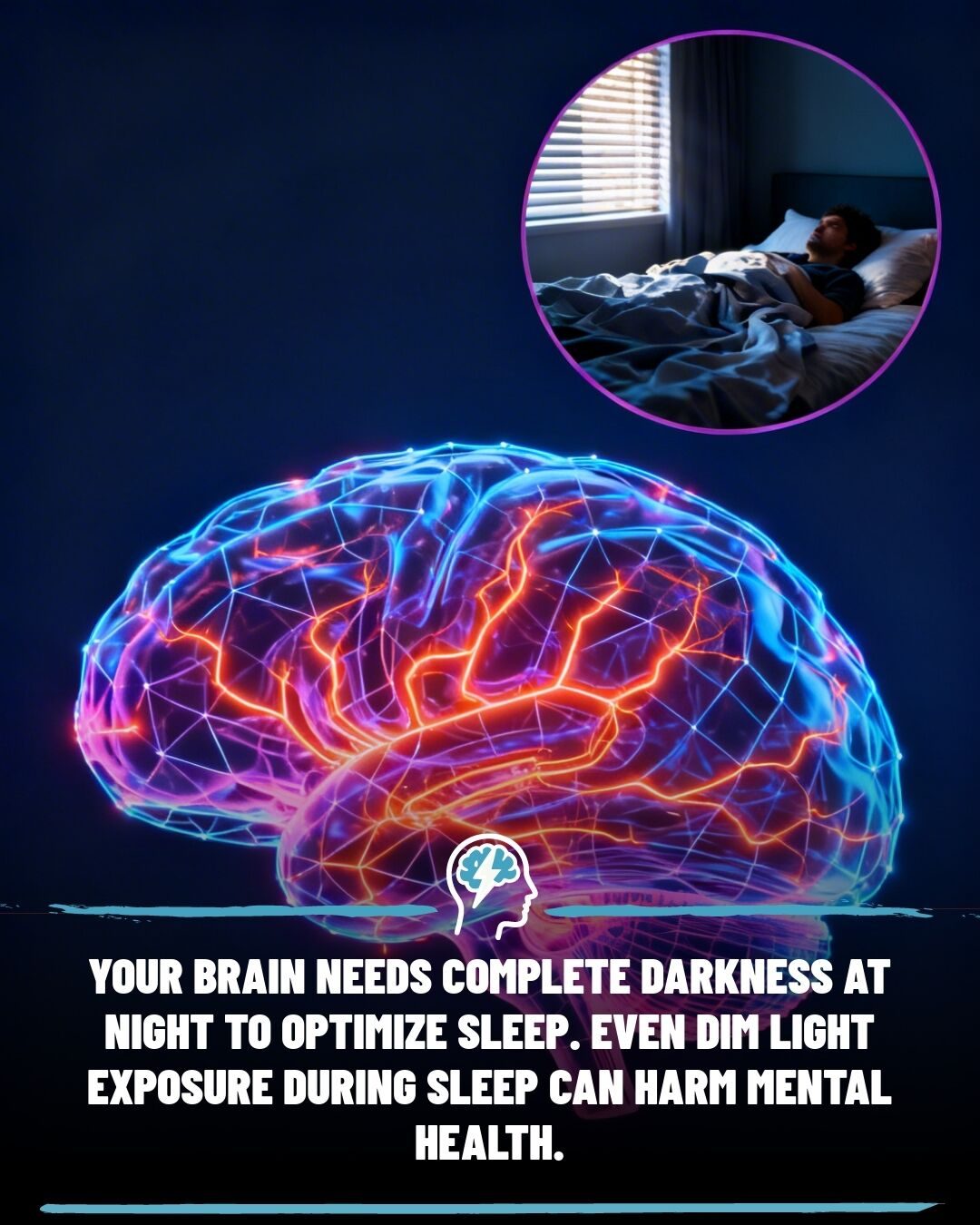
Your brain needs darkness to function optimally, and modern life often interferes with this natural process. Complete darkness isn't just the absence of light; it's a crucial biological signal that prepares your body for sleep. Let's explore the science behind this phenomenon and why it's essential for your mental health.
Context / Why This Matters
In today's fast-paced world, artificial light exposure is ubiquitous, from flickering screens to glowing LED lights. This constant exposure can disrupt your body's natural sleep-wake cycle, or circadian rhythm, which regulates various biological processes, including hormone release, body temperature, and mental alertness. Understanding the impact of light on your sleep and mental health is vital for optimizing your overall well-being.
Main Discussion
The Role of Darkness in Sleep
When night falls, your pineal gland starts producing melatonin, a hormone that synchronizes your body's internal clock. Melatonin isn't a sleep-inducing agent but rather a timing signal that helps shift your body into rest mode. This process is regulated by specialized light-sensitive cells in your eyes, which communicate with your brain's master clock, the suprachiasmatic nucleus (SCN). The SCN tracks light levels throughout the day to determine when it's time to be alert and when it's time to sleep.
The Impact of Light on Your Sleep-Wake Cycle
Exposure to artificial light, even in small amounts, can suppress melatonin production and interfere with your SCN's ability to regulate your sleep-wake cycle. This disruption can lead to delayed circadian timing and poor sleep quality, which can have significant effects on your mental health. Studies have shown that irregular light exposure is linked to mood regulation and cognitive function, affecting your ability to think clearly, concentrate, and process emotions effectively.
Practical Tips
Creating a Dark Sleep Environment
To support your body's natural sleep-wake cycle, consider the following tips for creating a dark sleep environment:
- Dimmer Lights: Gradually dim artificial lights in the evening to signal to your body that it's time to wind down.
- Blackout Curtains: Install blackout curtains or use an eye mask to block out external light sources.
- Avoid Screens: Minimize exposure to phone screens, tablets, computers, and televisions before bed, as the blue light emitted by these devices can interfere with melatonin production.
Managing Artificial Light Exposure
While it's challenging to avoid artificial light entirely, you can take steps to manage your exposure effectively:
- Wear Blue Light Glasses: These glasses can help filter out blue light, reducing its impact on your melatonin production.
- Use Warm Light Bulbs: Opt for warm, yellow-toned light bulbs instead of cool, white ones, as they emit less blue light.
- Cover Lights: Use covers or stickers on LED lights to minimize their brightness and reduce light pollution in your sleep environment.
Other Considerations
Avoiding caffeine, alcohol, and heavy meals before bed can also help improve your sleep quality. Additionally, maintaining a consistent sleep schedule, even on weekends, can support your body's natural circadian rhythm and promote better rest.
Important Takeaways
Your brain requires complete darkness to optimize sleep and support mental health. Understanding the biological mechanisms behind this process can help you make informed decisions about your environment and habits. By creating a dark sleep environment and managing your exposure to artificial light, you can support your body's natural sleep-wake cycle and promote better mental health.
Conclusion
In a world filled with artificial light, prioritizing darkness in your sleep environment is crucial for optimal mental health. By respecting your body's natural circadian rhythm and implementing practical tips to manage light exposure, you can support better sleep and overall well-being. Consider dimming your lights in the evening, reducing screen time before bed, and making your bedroom as dark as possible to align with what circadian science suggests for better rest.
Questions readers ask
What is the significance of darkness for my sleep-wake cycle?
Darkness plays a pivotal role in regulating your sleep-wake cycle, also known as your circadian rhythm. It signals to your body that it's time to wind down and prepare for sleep. When it's dark, your body produces melatonin, a hormone that promotes sleep and regulates mood.
How does artificial light affect my brain and sleep?
Artificial light can disrupt your brain's natural processes by interfering with melatonin production. This disruption can make it harder to fall asleep, reduce sleep quality, and even impact your mood and cognitive function. It interferes with the body's natural circadian rhythm.
What is the relationship between darkness and mental health?
Darkness is essential for maintaining good mental health. It helps regulate mood by promoting the production of melatonin, which also helps to reduce symptoms of depression and anxiety. Conversely, constant exposure to light can lead to mood disturbances and other mental health issues.
Why is light pollution a problem for my sleep?
Light pollution can trick your brain into thinking it's still daytime, suppressing melatonin production and making it difficult to fall asleep. This can lead to a range of sleep disorders, including insomnia and poor sleep quality.
How can I optimize my sleep environment with darkness?
To optimize your sleep environment, ensure your bedroom is as dark as possible. Consider using blackout curtains, turning off electronic devices, and avoiding screens before bedtime. This will help signal to your brain that it's time to sleep and promote better sleep quality.
Can light exposure at night impact my hormone levels?
Yes, light exposure at night can interfere with the release of hormones like melatonin and cortisol, which regulate sleep, mood and metabolism. This disruption can lead to various health issues, including sleep disorders, mood swings, and even weight gain.
How does the impact of light on sleep vary throughout the day?
The impact of light on sleep varies depending on the time of day. Morning light helps regulate your circadian rhythm by signaling to your body that it's time to be alert and active. However, artificial light in the evening and nighttime can confuse your body's natural processes, making it harder to fall asleep and stay asleep.
Related deep dives
Similar reads based on topic and creator.


Recent articles
Fresh deep dives from the latest Reels we unpacked.




Comments
Be the first to comment.