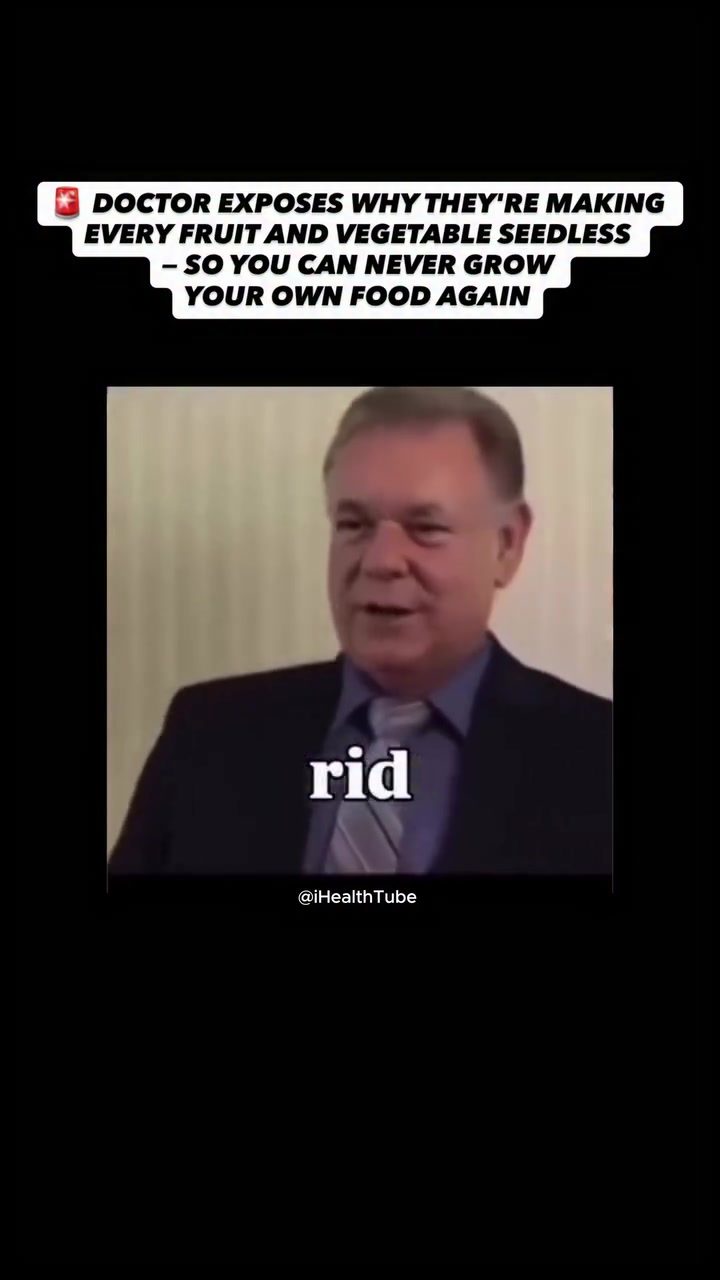
Seedless Produce: The Consequences and Controversies
Seedless fruits and vegetables have become a staple in modern grocery stores, offering convenience and ease. However, the shift towards seedless produce raises significant questions about food production, control, and sustainability. This issue is not just about convenience but also about the broader implications for agriculture and food security.
Why This Matters
The shift towards seedless produce is driven by various factors, including consumer demand for convenience and the commercial benefits for producers. However, this trend also has profound implications for how food is grown, distributed, and controlled. Understanding these dynamics is crucial for anyone interested in food sustainability, agricultural practices, and the future of food production.
The Rise of Seedless Produce
The Convenience Factor
Seedless fruits and vegetables, such as seedless watermelons, grapes, and apples, offer convenience to consumers. Removing seeds means less waste and easier consumption. This convenience is a significant factor in the growing popularity of seedless produce. However, the shift towards seedless varieties has broader implications beyond just convenience.
Control and Containment
The push for seedless produce is not just about making fruits and vegetables easier to eat. It is also about control. Seedless varieties cannot reproduce naturally, which means farmers and gardeners cannot save seeds for the next growing season. This dependency on commercial seed suppliers gives corporations significant control over the food supply chain.
The Role of Biotechnology
Genetically Modified Seeds
Companies like Bayer, which acquired Monsanto, have played a pivotal role in the development of genetically modified (GM) seeds. These seeds are engineered to produce seedless fruits and vegetables, ensuring that consumers must repurchase seeds every year. This practice transforms a previously renewable resource into a commercial product, giving companies a monopoly over the seed market.
The Legal Battle
The legal implications of GM seeds are far-reaching. The acquisition of Monsanto by Bayer was a $66 billion deal, highlighting the economic stakes in the seed industry. Companies like Bayer have used patent laws to protect their GM seeds, leading to legal battles with farmers. Canadian farmer Percy Schmeiser, for example, was sued by Monsanto because its patented canola seeds blew into his land from a neighboring farm. This lawsuit went all the way to the Supreme Court of Canada, illustrating the far-reaching legal and economic control that corporations have over the seed market.
The Implications for Farmers and Consumers
Economic and Legal Challenges
Farmers face significant economic and legal challenges due to the shift towards seedless produce. The $10 million annually spent by companies like Bayer on "seed police" to investigate American farmers is a stark reminder of the high-stakes nature of this industry. Farmers who unknowingly use patented seeds can face severe legal consequences, highlighting the need for transparency and fairness in the seed industry.
Future Scenarios
The shift towards seedless produce raises concerns about future food security. If all fruits and vegetables become seedless, it will mean that everything you eat will come from controlled labs and farms. This could result in rare, expensive, or even licensed produce, available only to the wealthy. The rest of the population may have to subscribe to eat, a scenario that seems dystopian but is already becoming a reality in some parts of the world.
Monsanto and Bayer's Role
Historical Context
Monsanto, now owned by Bayer, has been a key player in the genetic modification of seeds. The company has used patent laws to transform a renewable resource into a commercial product, giving it significant control over the seed market. This control has led to controversial practices, such as suing farmers for using patented seeds that blew onto their land from neighboring farms.
Practical Tips for Consumers
Supporting Sustainable Agriculture
Consumers can play a role in promoting sustainable agriculture by supporting farmers who use traditional, non-GM seeds. This can help ensure that the food supply remains diverse and that farmers retain the ability to save and reuse seeds.
Advocacy and Awareness
Raising awareness about the implications of seedless produce is crucial. By understanding the broader issues at stake, consumers can advocate for fairer practices in the seed industry and support policies that promote food security and sustainability.
Cultivating Your Own Produce
For those who have the space and resources, growing your own produce from heirloom seeds can be a rewarding experience. This not only provides fresh, homegrown produce but also helps preserve genetic diversity and supports traditional agricultural practices.
Important Takeaways
The shift towards seedless fruits and vegetables is more than just a matter of convenience. It represents a broader trend towards corporate control of the food supply. Understanding the implications of this trend is crucial for anyone interested in food sustainability, agricultural practices, and the future of food production. By supporting traditional agricultural practices and advocating for fair seed policies, consumers can play a role in promoting a more sustainable and equitable food system.
Conclusion
The rise of seedless produce is a complex issue with far-reaching implications. From the convenience of seedless fruits and vegetables to the broader implications for food security and sustainability, understanding this trend is essential for anyone interested in the future of food. By supporting sustainable agriculture, raising awareness, and advocating for fair seed policies, consumers can help shape a more equitable and sustainable food system.
Questions readers ask
What are the primary advantages of seedless produce for consumers?
Seedless produce offers several benefits to consumers, including convenience and ease of consumption. Fruits like seedless watermelons and grapes are often preferred due to their mess-free eating experience, making them popular choices for snacks and meals. Additionally, seedless produce can be more visually appealing and easier to prepare.
How does the shift to seedless produce affect farmers?
The shift to seedless produce can significantly impact farmers. Many seedless varieties require controlled pollination and specific growing conditions, which can increase production costs and complexity. Furthermore, farmers often rely on commercial seed suppliers for seedless varieties, which can lead to dependency on corporate entities like Monsanto and Bayer.
What are the sustainability concerns associated with seedless produce?
Seedless produce raises several sustainability concerns. The reliance on commercial seed suppliers can lead to a loss of biodiversity, as traditional seed-saving practices decline. Additionally, the production of seedless fruits often requires more resources, such as water and pesticides, which can have environmental implications. The long-term effects on soil health and ecosystem balance are also areas of concern.
Why are corporations like Monsanto and Bayer involved in seedless produce?
Corporations like Monsanto and Bayer have a significant stake in seedless produce because it allows them to exert control over the food supply. By owning the patents on seedless varieties, these companies can dictate pricing, distribution, and farming practices. This control can lead to monopolistic practices, making it difficult for smaller farmers to compete and maintain independence.
Can farmers grow seedless produce without relying on corporate seed suppliers?
Growing seedless produce without relying on corporate seed suppliers is challenging but not impossible. Some farmers use traditional breeding methods orsave seeds from their own crops to maintain independence. However, this process can be time-consuming and may not always yield the same level of uniformity and reliability as commercially produced seedless varieties.
What are some alternatives to seedless produce?
For those concerned about the issues surrounding seedless produce, there are several alternatives. Opting for conventional or heirloom varieties of fruits and vegetables can support biodiversity and reduce dependency on corporate seed suppliers. Additionally, choosing seasonal and locally grown produce can help promote sustainable farming practices and support local farmers.
Related deep dives
Similar reads based on topic and creator.


Recent articles
Fresh deep dives from the latest Reels we unpacked.




Comments
Be the first to comment.