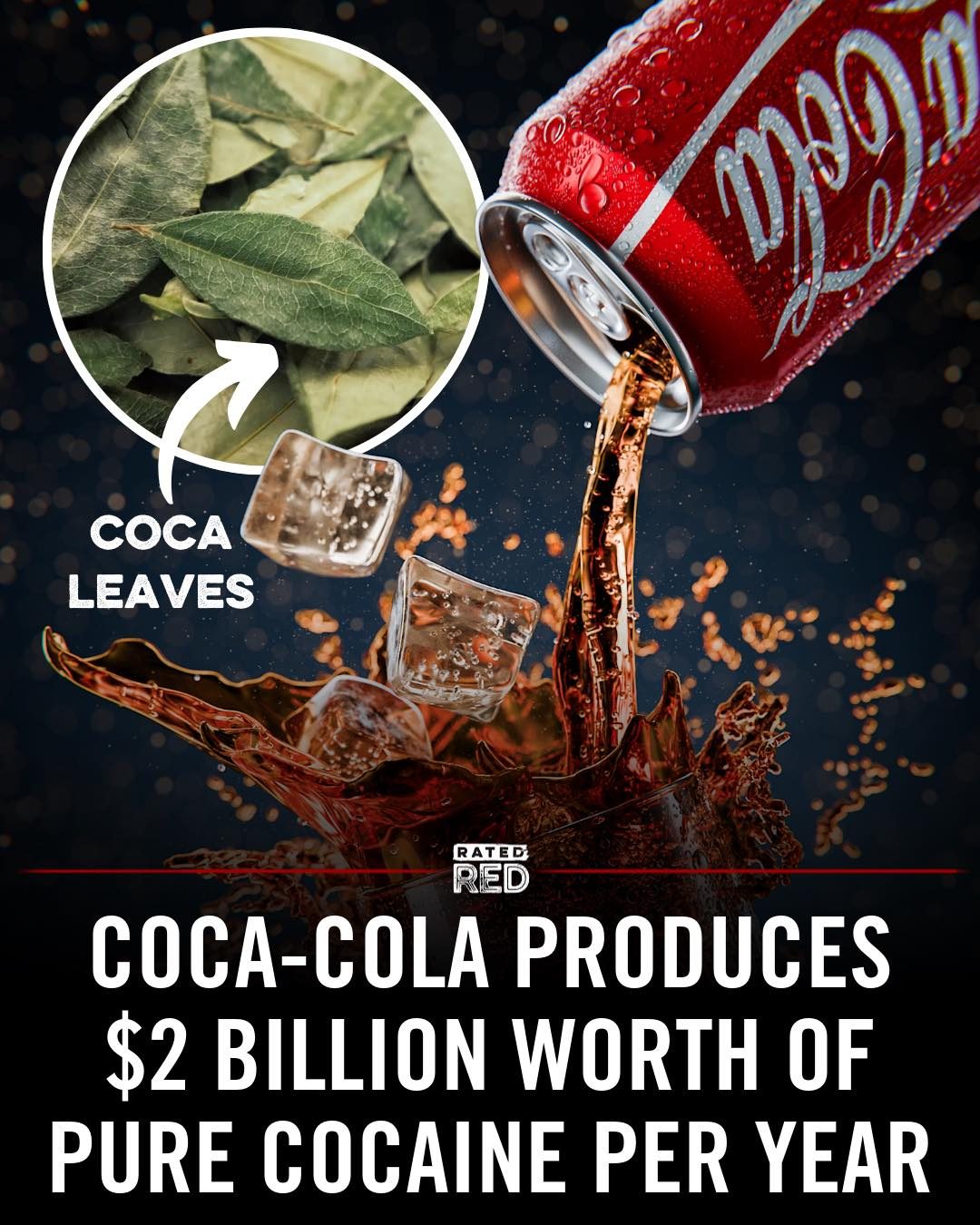
Coca-Cola and the History of Cocaine
To understand Coca-Cola, one must delve into the curious history of its namesake ingredient: the coca leaf. This is an exploration of how Coca-Cola got its name, as well as the origins of the company that would become an international icon. The story may surprise you, as it involves cocaine, patent medicine, and a chemist who would change the beverage industry forever.
Why This Matters
Understanding the history of Coca-Cola is more than just an intriguing tale about a popular soft drink. It gives insight into a fascinating chapter of American history and on how a controversial ingredient became synonymous with a beloved beverage. The story of Coca-Cola, and its relationship with the coca leaf, is an important part of medical history, the history of the drug trade, and the history of American consumer culture. It has shaped our perceptions of soft drinks and the law to this day.
The Origin of Coca-Cola
Coca-Cola
Coca-Cola is derived from two primary ingredients: coca leaves and kola nuts. Coca leaves are primarily sourced from South America and have a long history of use by indigenous populations for both medicinal and recreational purposes. Kola nuts, on the other hand, hail from Africa and are rich in caffeine, providing a stimulating effect.
The combination of these two ingredients was first marketed as a tonic, much like other patent medicines of the time. John Pemberton, a chemist, developed the original formula, Coca-Cola, which was initially sold as a medicine. The exact date and details of its creation are fuzzy, but it was first served around 1886 in Atlanta, Georgia, as a fizzing syrup sold in drugstories.
The Role of Coca Leaves and Cocaine
Coca leaves have long been known for their natural stimulant properties, due to the presence of alkaloids. Alkaloids are a class of nitrogenous organic compounds found in plants. These alkaloids are similar to the active ingredient in cocaine and also occur naturally in cocoa leaves.
Cocaine was first extracted from the coca leaf in the 1860s, and for a time, it was used extensively in medicine, both as a local anesthetic and as a stimulant. In its early years, Coca-Cola indeed contained cocaine, though in small amounts. Many patent medicines of the time contained cocaine. Pemberton himself suffered from a morphine addiction and came up with Coca-Cola as a substitute for the morphine he was using. From 1886 to 1904, Coca-Cola contained up to 9 milligrams of cocaine per 8-ounce glass of Coca-Cola. In 1904, Coca-Cola was reformulated to remove cocaine.
Over time, public awareness of the dangers of cocaine grew, and the Harrison Narcotics Tax Act of 1914 essentially banned the use of cocaine in drinks. Coca-Cola was eventually reformulated to use a decocainized version of the coca leaf, which removes the cocaine alkaloid but retains the flavor.
The Coca-Cola Formula
The original Coca-Cola syrup was a complex mixture of ingredients, including coca leaves and kola nuts. The exact recipe, known as "7X," was created by pharmacist John Pemberton and included a variety of ingredients such as:
- Flour (to thicken the syrup),
- Caramel (for color),
- Caffeine (for energy),
- Sugar (for sweetness),
- Citric acid (for flavor),
- Spice oils (for flavor),
- Water (as a solvent).
The formula underwent several modifications over the years, particularly with the removal of cocaine in 1904, but the core ingredients of the Coca-Cola syrup remain largely the same. The exact recipe is a closely guarded trade secret, but it is known that the modern Coca-Cola syrup is based on the original formula developed by Pemberton.
The Modern Ingredients
Coca-Cola Ingredients
Today, the Coca-Cola syrup is made using a blend of natural and artificial flavors, combined with a high-fructose corn syrup or sugar, phosphoric acid, caffeine, caramel color, and a variety of other ingredients. The syrup is mixed with carbonated water to produce the final beverage. The exact formulation of the syrup has changed over time, but the core ingredients remain the same. For example, the high-fructose corn syrup or sugar provides the sweetness, while the caffeine and phosphoric acid give it a distinctive tangy flavor.
The use of natural and artificial flavors in Coca-Cola means that the exact composition of the syrup can vary depending on the region and the type of Coca-Cola being produced. Some variations, such as Coca-Cola Zero Sugar, use a different sweetener, like aspartame, to reduce the calorie content.
Coca-Cola Production
The Coca-Cola syrup is produced at a variety of locations around the world, but the majority is produced at the company's headquarters in Atlanta, Georgia. The syrup is then shipped to bottling plants, where it is mixed with carbonated water and bottled. The bottling process involves a number of steps, including the addition of carbon dioxide to produce the fizz, filtering, and mixing with water.
The bottling process is subject to strict quality control measures, including regular testing of the syrup and finished product for consistency and quality. The Coca-Cola Company works with a network of independent bottlers to distribute its products around the world, ensuring that consumers receive a consistent product regardless of their location.
Practical Tips
Coca-Cola is a popular beverage and has been used in a variety of recipes and culinary applications. Here are a few tips to help you get the most out of your Coca-Cola.
Cooking with Coca-Cola
Coca-Cola can be used as an ingredient in a variety of recipes. It is a popular ingredient in barbecue sauces, marinades, and glazes. The sweetness and acidity of Coca-Cola can help to tenderize meats and add flavor. Coca-Cola can also be used as a marinade for meats such as pork, chicken, and beef. It can also be used as a glaze for baked goods, adding a unique flavor and a slight crispiness.
To use Coca-Cola in cooking, it is important to choose a version of the beverage that complements the flavors of the dish you are preparing. For example, the classic Coca-Cola, with its distinctive sweetness and tangy flavor, works well with barbecue sauces and marinades. On the other hand, Coca-Cola Zero Sugar may be a better choice for baked goods, as it has a different flavor profile and does not add as much sweetness. Coca-Cola can also be used in beverages, such as cocktails and mixed drinks.
Using Coca-Cola in Cocktails
Coca-Cola is a popular ingredient in many cocktails and mixed drinks. The sweetness and carbonation of Coca-Cola make it a popular mixer for a variety of spirits. Some popular Coca-Cola cocktails include the classic Cuba Libre, which is made with rum, lime juice, and Coca-Cola, and the Rum and Coke, which is made with rum and Coca-Cola. Coca-Cola can also be used to make a variety of other cocktails, such as the Cherry Coke, which is made with cherry liqueur and Coca-Cola, and the Black and Tan, which is made with stout beer and Coca-Cola. Use a chilled version of Coca-Cola for the best results.
Using Coca-Cola as a Beverage
Coca-Cola is widely enjoyed as a beverage. It can be consumed on its own, or it can be mixed with other beverages to create a variety of refreshing drinks. For example, Coke can be mixed with lemon juice and sugar to make a lemonade, or it can be used as a mixer in a variety of cocktails. Furthermore, Coca-Cola can also be used as a refresher after workouts or a pick-me-up when feeling tired.
Important Takeaways
Coca-Cola stands out as an iconic beverage with a rich and complex history. The historical journey of Coca-Cola from a patent medicine to a globally recognized soft drink is a testament to the evolution of consumer culture. Understanding this history provides a unique perspective on the development of modern beverages and the role of natural ingredients. The transformation of Coca-Cola over the years reflects broader trends in the food and beverage industry, as well as changes in public health and regulatory standards.
Conclusion
The legacy of Coca-Cola is a fascinating blend of history, innovation, and cultural impact. From its humble beginnings as a tonic to its current status as a global beverage, Coca-Cola has shaped the way we think about soft drinks and their place in our culture. Whether you are a fan of Coca-Cola's unique flavor or simply curious about its history, there is much to appreciate in the story of this iconic beverage.
Questions readers ask
Was cocaine always an ingredient in Coca-Cola?
No, cocaine was not always in Coca-Cola. Initially, the drink did contain small amounts of cocaine derived from coca leaves. However, due to growing concerns about cocaine's addictive properties and its regulation, Coca-Cola removed cocaine from its formula by 1929.
How did the coca leaf become associated with Coca-Cola?
The coca leaf became associated with Coca-Cola through its creator, John Pemberton. He used coca leaves as an ingredient in his patent medicine, which he marketed as a tonic and later transformed into the soft drink we know today. The name 'Coca-Cola' itself is a nod to this ingredient.
What is the significance of patent medicine in Coca-Cola's history?
Patent medicine played a crucial role in Coca-Cola's history. John Pemberton developed Coca-Cola as a patent medicine, a type of medicinal product that was common in the 19th century. The drink was initially marketed as a tonic with perceived health benefits, which ultimately led to its evolution into a popular beverage.
Did other beverages during that period also contain cocaine?
Yes, during the late 19th and early 20th centuries, it was not uncommon for various beverages and tonics to contain cocaine. Many patent medicines, including some popular soft drinks of the time, included small amounts of cocaine as a stimulant before regulations were put in place.
What was the process of removing cocaine from Coca-Cola?
The process of removing cocaine from Coca-Cola began in 1904, when the company started reducing its cocaine content. At this point, the cocaine was extracted from the coca leaves using a process that left behind cocaine-free coca leaves. The company transitioned to using these treated leaves, and by 1929, all traces of cocaine were eliminated from the formula.
How did Coca-Cola address public concerns about cocaine in its product?
Coca-Cola addressed public concerns about cocaine by gradually reducing the amount of cocaine in its formula and eventually eliminating it entirely. The company also worked to maintain transparency and implemented rigorous quality controls to ensure that the coca leaves used in their product were free from cocaine before its regulatory leave in 1929.
What role did the chemist John Pemberton play in the creation of Coca-Cola?
John Pemberton, a pharmacist and chemist, was the inventor of Coca-Cola. He created the beverage as a patent medicine and initially marketed it as a tonic with purported health benefits. His formulation, which included coca leaves and kola nuts, laid the foundation for what would eventually become one of the world's most popular soft drinks.
Related deep dives
Similar reads based on topic and creator.




Recent articles
Fresh deep dives from the latest Reels we unpacked.




Comments
Be the first to comment.