Dancing and Brain Health
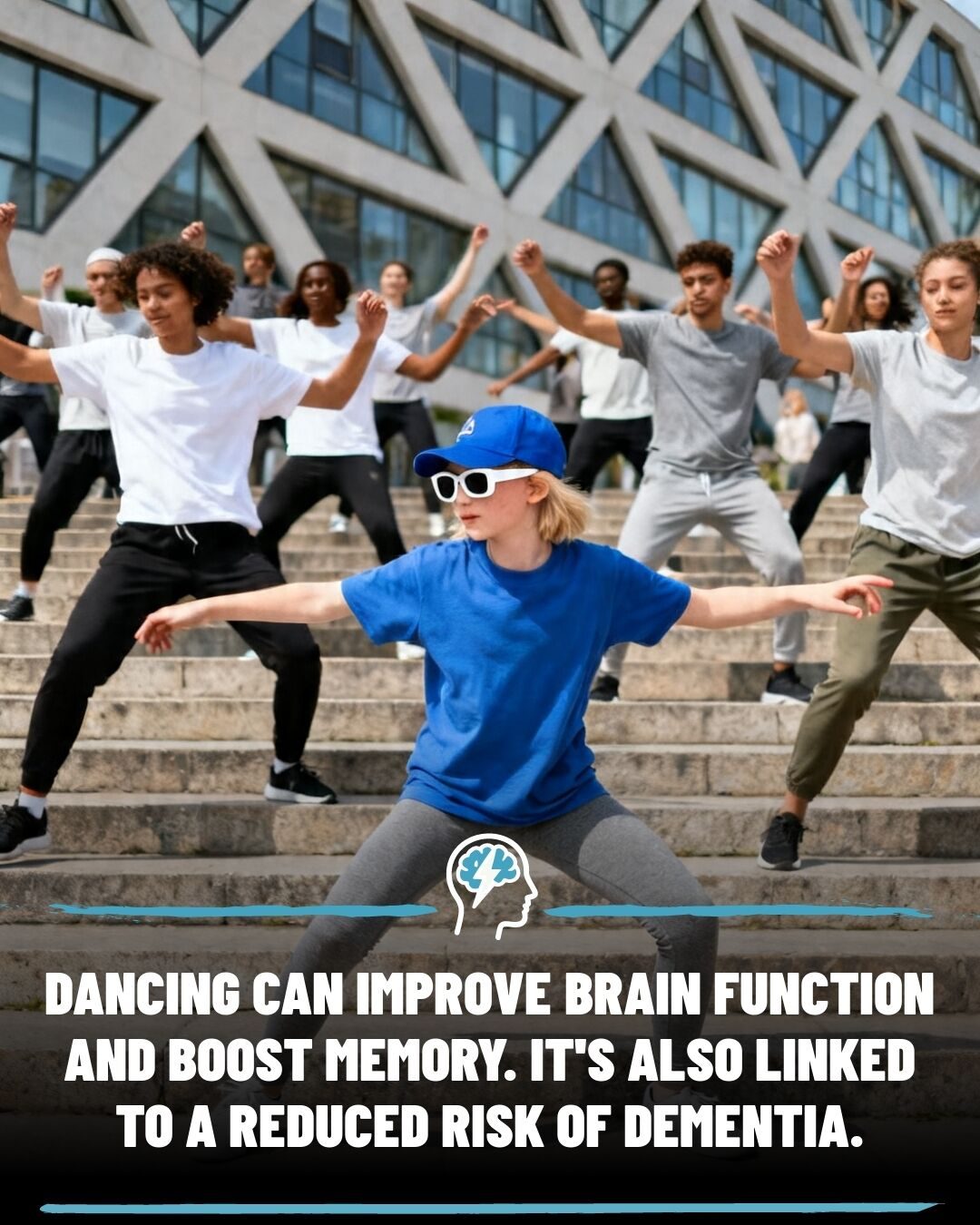
Dance is more than just a fun way to pass the time. It's a powerful activity that can significantly benefit your brain. Numerous studies have shown that dancing can improve brain function, boost memory, and even reduce the risk of dementia.
Context / Why this matters
As we age, maintaining cognitive health becomes increasingly important. Activities that challenge the brain and promote social interaction can play a crucial role in keeping our minds sharp. Dance is unique in that it combines physical exercise with mental stimulation and social engagement. This makes it one of the most effective activities for overall brain health.
Main discussion
The Power of Dance
Dance is not just a recreational activity. It is a neurological workout. Unlike other forms of exercise, dancing requires your brain to perform multiple tasks simultaneously. You have to remember steps, match the rhythm, navigate your surroundings, coordinate with music, and maintain balance. This constant multitasking keeps your brain actively engaged, which can lead to significant cognitive benefits.
Scientific Evidence
Research has provided compelling evidence that dance can enhance cognitive function. A landmark study by the Albert Einstein College of Medicine followed 469 adults over 75 years old for over five years. The study found that those who danced regularly had a 76% lower risk of developing dementia compared to those who rarely danced. This risk reduction is higher than that observed in other activities like reading (47% risk reduction) or other forms of physical exercise. These findings suggest that dance offers unique cognitive benefits.
Mechanisms Behind the Benefits
Dance engages various parts of the brain, which contributes to its cognitive benefits. For example, learning and performing dance steps involves the hippocampus, a brain region crucial for memory. Additionally, dancing requires coordination, which engages the cerebellum. The social aspect of dance can also reduce stress and improve mood, further benefiting overall brain health. Randomized trials have shown that dancing can produce greater improvements on cognitive tests compared to other activities like treadmill walking. Some studies even suggest that dancing may help reduce shrinkage in the hippocampus, a brain region critical for memory.
Physical and Mental Connections
The combination of physical movement and mental challenge in dance makes it a unique form of exercise. The physical aspects of dance, such as coordination and balance, help maintain motor skills and muscle strength. The mental aspects, such as remembering steps and coordinating with others, stimulate the brain and promote cognitive health. This dual benefit makes dance an excellent choice for overall well-being.
The Social Aspect
Dance is often a social activity, which adds another layer of benefit. Social interaction has been shown to reduce stress, improve mood, and even enhance cognitive function. Engaging in dance with others can create a sense of community and belonging, which can have positive effects on mental health. Whether you join a dance class or attend social dance events, the social connections you make can contribute to your overall well-being.
Practical tips
Incorporating dance into your routine can be a fun and effective way to boost your brain health. Here are some practical tips to get started:
Find a Style You Enjoy
There are countless dance styles to choose from, so find one that appeals to you. Whether you prefer salsa, ballet, or line dancing, choosing a style you enjoy will make it easier to stick with it.
Join a Class
Taking a dance class is a great way to learn new skills and meet like-minded individuals. Many communities offer dance classes for all ages and skill levels. Look for local classes or online tutorials that suit your needs.
Make It a Habit
Consistency is key when it comes to seeing the benefits of dance. Aim to incorporate dance into your routine at least a few times a week. The more you practice, the more you will reap the cognitive and physical benefits.
Dance with Others
Dancing with others can enhance the social benefits of the activity. Join a dance group, attend social dance events, or invite friends to dance with you. The social interaction can make the experience even more enjoyable and rewarding.
Experiment with Different Rhythms
Try dancing to different types of music to keep things interesting. The varied rhythms and styles can challenge your brain and enhance the cognitive benefits of dance. Whether it's jazz, hip-hop, or classical music, experimenting with different genres can keep your dance routine fresh and engaging.
Important takeaways
Dance offers a multitude of benefits for brain health, from improved cognitive function to a reduced risk of dementia. It stands out as a powerful activity because it combines physical movement, mental challenge, and often social connection. Incorporating dance into your routine can be a fun and effective way to boost your brain health. Remember to choose a style you enjoy, join classes, make it a habit, and dance with others to maximize the benefits.
Conclusion
Dance is more than just a recreational activity. It is a powerful tool for enhancing brain health. By engaging various parts of the brain and offering physical, mental, and social benefits, dance can significantly improve cognitive function and overall well-being. Whether you're looking to boost your memory, reduce the risk of dementia, or simply have fun, dance is an excellent choice. So why not lace up your dancing shoes and give it a try? Your brain might thank you for it.
Questions readers ask
How does dancing help prevent dementia in seniors?
Dancing engages multiple areas of the brain, including those responsible for memory, coordination, and social interaction. This multicomponent activity can help reduce the risk of dementia by promoting neuroplasticity and cognitive reserve.
What makes dance unique compared to other physical activities for brain health?
Unlike other physical activities, dance combines exercise, mental challenge, and social engagement. This multifaceted approach stimulates the brain more comprehensively, making it a more effective tool for promoting cognitive health.
Can dance classes for the elderly improve memory?
Yes, dance classes can help improve memory in seniors. Learning new dance steps and routines requires memorization and recall, which can enhance memory function and mental acuity.
What are the social benefits of dance classes for the elderly?
Dance classes provide an excellent opportunity for seniors to engage socially, reducing feelings of isolation and loneliness. Regular social interaction can have a positive impact on both mental and emotional well-being.
How often should seniors participate in dance classes to see brain benefits?
Consistency is key. Aim for at least one dance class per week, but more frequent participation can yield even greater benefits. Regularity helps maintain and build cognitive skills over time.
Are there specific types of dance that are best for brain health in seniors?
Any type of dance that involves learning new steps and social interaction can be beneficial. However, dances that require complex movements and coordination, such as ballroom or folk dances, may provide more cognitive challenge.
Can dancing replace other mental exercises for elderly brain health?
While dancing is a powerful tool for brain health, it should not entirely replace other mental exercises. Incorporating a variety of cognitive activities, along with physical and social engagement through dance, can provide a balanced approach to maintaining a healthy brain.
Recent articles
Fresh deep dives from the latest Reels we unpacked.




Comments
Be the first to comment.