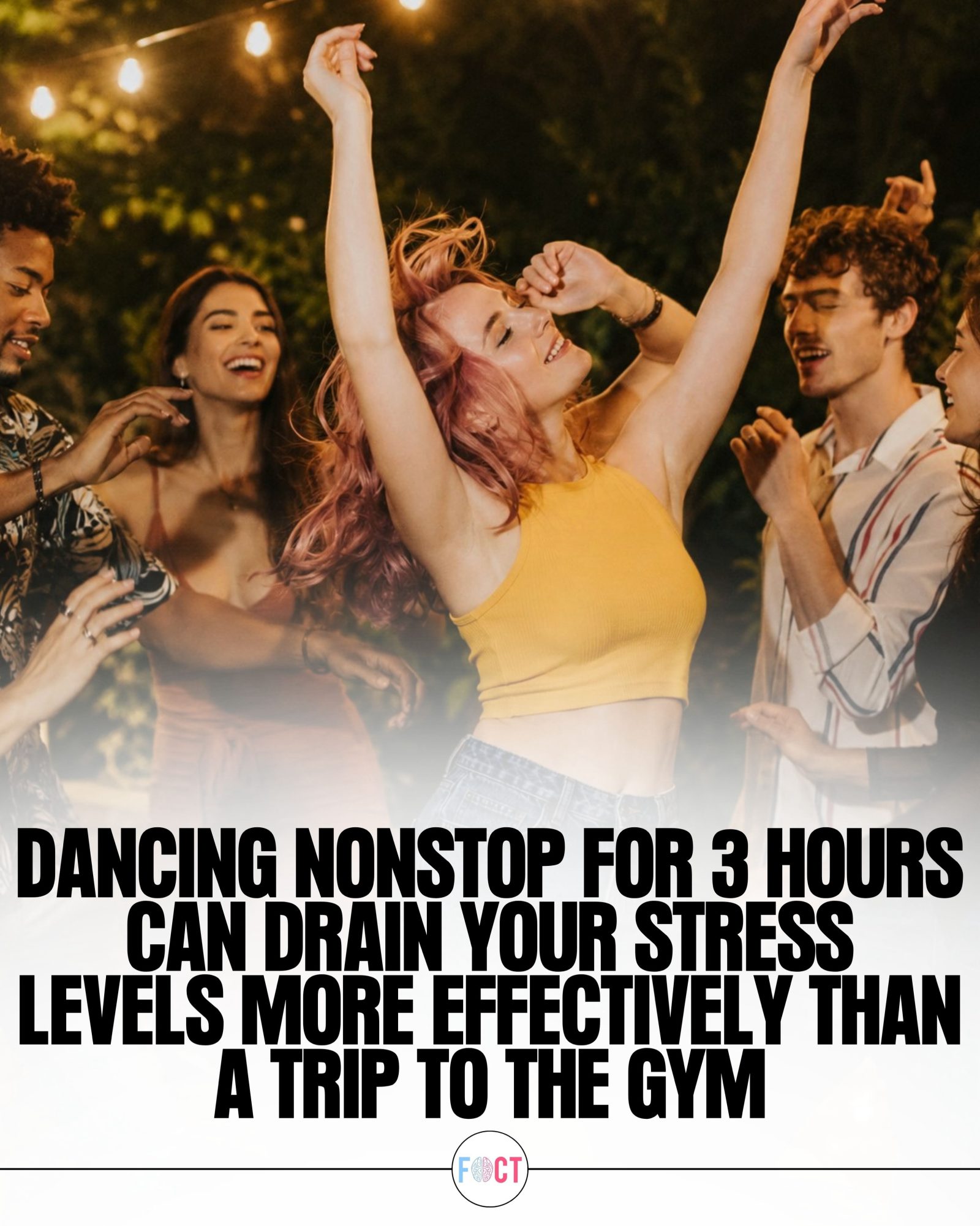
Dancing for Stress Relief
Dancing is a powerful tool for managing stress. It offers a unique blend of physical exertion, emotional outlet, and social connection. Unlike other forms of exercise, dancing provides a strong emotional impact, more effectively draining stress levels compared to a simple gym visit. But what makes dancing such an effective stress reliever, and how can it be integrated into a well-lived lifestyle?
Context / Why This Matters
Stress is a universal experience, affecting people from all walks of life. It can manifest physically, emotionally, and mentally, leading to a variety of health issues if not properly managed. Traditional stress relief methods, like meditation, yoga, or even visits to the gym, are effective to a point. However, dancing stands out as a multifaceted approach that combines several beneficial elements into one activity. Understanding the benefits and practical applications of dance can help anyone better manage stress and improve overall well-being.
Main Discussion
The Emotional Impact of Dance
Dance is deeply rooted in human culture and expression. It serves as a medium for conveying emotions, telling stories, and connecting with others. Dancing for extended periods, such as nonstop for three hours, can provide a strong emotional impact. This prolonged engagement shifts focus from daily worries, notifications, and overthinking to the rhythm of the music and the present moment.
Music plays a crucial role in this emotional shift. It offers a break from the mental noise, allowing the mind and body to sync with the beat. This synchronization helps in releasing pent-up emotions and reducing stress levels. The emotional expression facilitated by dance is not just a release; it is also a form of therapy that promotes mental and emotional health.
The Physical Aspect
Dancing is a form of exercise that requires coordination, agility, and stamina. It engages multiple muscle groups and can be as physically demanding as a gym workout, but with added enjoyment. The physical exertion releases endorphins, which are natural mood elevators. This physical release, combined with the emotional expression, provides a holistic approach to stress management.
Social Connection and Memory Formation
Dancing is often a social activity. Whether it is in a group setting, a dance class, or a casual gathering, it fosters social connection. This social aspect enhances the overall experience, providing a sense of belonging and community. Social interaction during dance can also bolster memory formation. Studies have shown that activities that involve social engagement and physical movement can improve cognitive functions, including memory.
Practical Tips
Incorporating dance into your routine can be a fun and effective way to manage stress. Here are some practical tips to get started:
Start Small
You don’t need to dance for three hours straight to reap the benefits. Start with shorter periods and gradually increase the duration. Even 15-30 minutes of dancing a day can make a significant difference.
Find Your Rhythm
Choose music that resonates with you. The type of music can greatly influence your mood and energy levels. Experiment with different genres to find what works best for you.
Join a Group
Participating in group dance classes or social events can enhance the experience. The social connection and shared joy can amplify the stress-relieving benefits.
Mix It Up
Variety keeps things interesting. Try different styles of dance—from salsa to hip-hop to ballroom—to keep your routine fresh and engaging.
Make It a Habit
Consistency is key. Incorporate dance into your weekly routine, just like you would with any other form of exercise or self-care.
Important Takeaways
Dancing for stress relief is more than just a fun activity; it's a comprehensive approach to mental and emotional well-being. It provides a unique blend of physical exertion, emotional expression, and social connection. By incorporating dance into your routine, you can effectively manage stress, improve your mood, and enhance your overall quality of life.
Conclusion
Dancing is a powerful and enjoyable way to relieve stress. It offers a multifaceted approach that combines emotional release, physical exercise, and social connection. Whether you dance alone or with others, the benefits are undeniable. So, put on your favorite tunes, let loose, and experience the transformative power of dance. Your mind and body will thank you.
Questions readers ask
How does dancing help reduce stress more effectively than a gym workout?
Dancing combines physical exercise with emotional release and social bonding, which creates a more holistic approach to stress relief. Unlike gym workouts, dancing releases endorphins and encourages emotional expression, which can help lower stress levels more profoundly.
What are the benefits of dancing for three hours for stress relief?
Dancing for an extended period, such as three hours, can significantly reduce stress by providing prolonged physical activity and emotional engagement. This duration allows for a deeper release of endorphins, a more substantial emotional outlet, and enhanced social interaction, all contributing to better stress relief.
Can dancing in a group setting enhance stress relief?
Yes, dancing in a group, such as at a dance party, can enhance stress relief through social bonding. The shared experience and connection with others can create a supportive and joyful atmosphere, which helps in reducing stress and anxiety more effectively than solo activities.
How can I incorporate a dance break from work into my daily routine?
You can incorporate a dance break by setting specific times during your workday to take a short dance break. Turn off notifications to avoid distractions and choose music that you enjoy. Even a 10-15 minute break can help you release tension and improve your focus when you return to work.
How does dance music contribute to stress relief?
Dance music, with its upbeat rhythms and energetic melodies, can stimulate the release of endorphins and serotonin, which are natural mood boosters. Listening to and moving with dance music can help shift your focus away from stressors, promoting a sense of relaxation and enjoyment.
What are the emotional benefits of dancing regularly?
Regular dancing can help reduce symptoms of depression, anxiety, and overthinking. It provides an outlet for emotional expression, allowing you to process and release negative emotions. Additionally, the social aspects of dancing can enhance your mood and overall well-being.
Can dancing help if I'm feeling overwhelmed by work?
Yes, dancing can be an excellent way to manage work-related stress. By taking a break to dance, you can temporarily shift your focus away from work demands, allowing your mind to rest and rejuvenate. The physical activity and emotional release can help you return to your tasks with renewed energy and clarity.
Related deep dives
Similar reads based on topic and creator.




Recent articles
Fresh deep dives from the latest Reels we unpacked.




Comments
Be the first to comment.