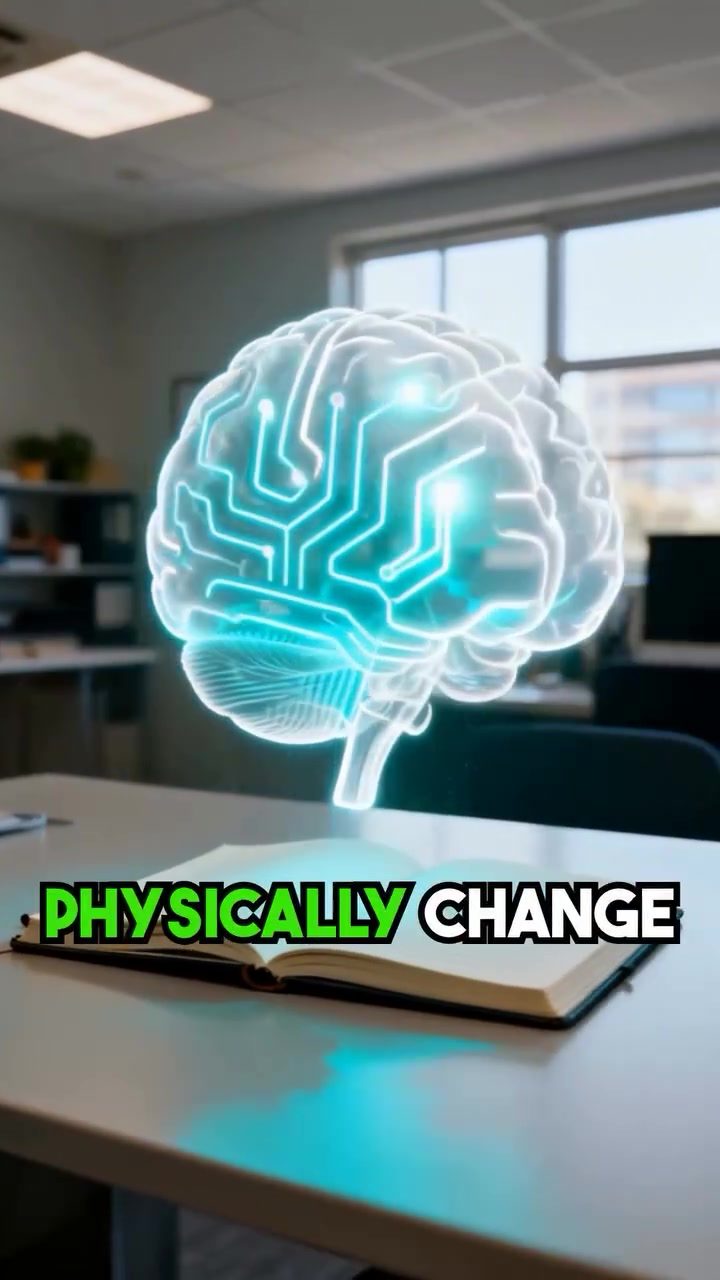
Neuroplasticity: The Power of Daily Habits on Brain Health
Daily habits can physically reshape how your brain works, a concept known as neuroplasticity. This phenomenon highlights the brain's ability to form new neural pathways and adapt throughout life. Understanding neuroplasticity is crucial for maintaining mental clarity and overall brain health, especially as we age.
Why This Matters
Neuroplasticity is more than just a scientific term; it's a practical approach to enhancing brain function. By engaging in certain daily habits, individuals can improve their cognitive abilities, manage stress more effectively, and even delay the onset of age-related cognitive decline. This adaptability of the brain means that it is never too late to start new habits that can benefit mental health.
Main Discussion
Understanding Neuroplasticity
Neuroplasticity refers to the brain's ability to change and adapt. This adaptability is not limited to early life; it continues throughout adulthood. The brain can form new neural pathways and strengthen existing ones, allowing individuals to learn new skills, recover from injuries, and adapt to changing environments.
The Role of Daily Habits
Certain daily habits can significantly enhance neuroplasticity. These habits help form new pathways in the brain, improving cognitive function and resilience. Engaging in activities that challenge the mind, such as reading or learning a new language, can work the brain hard, leading to stronger neural connections.
The Impact of Reading
Reading is a powerful habit that can boost neuroplasticity. When you read, your mind processes unfamiliar information, recognizes patterns, and expands vocabulary. This mental workout has been linked to stronger white matter connections, increased empathy, and a slower decline in cognitive abilities as you age.
Practical Tips
Incorporating neuroplasticity-boosting habits into your daily routine doesn't have to be complicated. Here are some practical tips to get started:
Engage in Lifelong Learning
Whether it's reading, attending workshops, or learning a new skill, continual learning keeps the brain active and adaptable. Focus on activities that challenge your mind and introduce new information.
Practice Mindfulness
Mindfulness practices, such as meditation and deep breathing, can reduce stress and improve mental clarity. These practices help in managing stress levels, which can positively impact brain health.
Stay Physically Active
Physical exercise is not just good for the body; it's also beneficial for the brain. Regular physical activity increases blood flow to the brain, promoting neuroplasticity and overall brain function.
Important Takeaways
- Neuroplasticity is a lifelong process: The brain can form new neural pathways and adapt throughout life.
- Daily habits matter: Engaging in activities that challenge the mind can enhance neuroplasticity and improve cognitive function.
- Reading boosts brain health: Regular reading has been linked to stronger neural connections, increased empathy, and a slower decline in cognitive abilities.
- Mindfulness and physical activity: Practices like meditation and regular exercise can reduce stress and improve mental clarity, contributing to overall brain health.
Conclusion
Neuroplasticity is a powerful concept that underscores the brain's ability to adapt and change. By incorporating daily habits that promote neuroplasticity, such as reading, learning new skills, and staying physically active, individuals can enhance their cognitive function and maintain mental clarity well into adulthood. Embrace the power of neuroplasticity and make it a part of your daily routine for a healthier, more resilient brain.
Questions readers ask
What is neuroplasticity and why is it important for daily habits?
Neuroplasticity is the brain's ability to form new neural pathways and adapt throughout life. Incorporating daily habits that foster neuroplasticity can help improve cognitive abilities, manage stress, and potentially delay age-related cognitive decline. This makes it a crucial aspect of maintaining overall brain health.
How can reading improve my brain's neuroplasticity?
Reading is a powerful tool for enhancing neuroplasticity. It stimulates mental activity, promotes neural connectivity, and can even reshape brain structures. Regular reading can improve memory, focus, and overall cognitive function.
What are some simple daily habits that can boost neuroplasticity?
Habits such as reading, learning new skills, engaging in puzzles or brain games, practicing mindfulness, and maintaining an active lifestyle can all boost neuroplasticity. These activities help form new neural pathways and enhance mental clarity.
Can learning new skills really change my brain?
Yes, learning new skills can physically reshape your brain. When you learn something new, your brain forms new neural connections, enhancing cognitive abilities and resilience. This process can improve your ability to adapt to changes and manage stress more effectively.
How does neuroplasticity help in preventing age-related cognitive decline?
Neuroplasticity can help delay or mitigate age-related cognitive decline by maintaining and even improving neural connections. Engaging in activities that promote neuroplasticity, such as daily learning and mental exercises, can enhance cognitive resilience and keep the brain active and healthy as you age.
What is the best mindset for promoting neuroplasticity?
A growth mindset is ideal for promoting neuroplasticity. Embrace the belief that your abilities can be developed through dedication and hard work. Be open to new experiences, challenges, and continuous learning. This mindset fosters an environment where the brain is more likely to form new neural pathways.
How can mindfulness and meditation contribute to neuroplasticity?
Mindfulness and meditation can significantly contribute to neuroplasticity by reducing stress and promoting neural connectivity. These practices help regulate emotions, enhance focus, and improve overall mental clarity. Regular mindfulness and meditation routines can lead to structural changes in the brain, supporting long-term cognitive health.
Recent articles
Fresh deep dives from the latest Reels we unpacked.




Comments
Be the first to comment.