Proposal Questionnaires: The Key to Customized and Effective Proposals
Generic proposals are no longer effective in today's competitive landscape. Personalization and human touch are essential to stand out and meet a client’s specific needs. This is where a well-crafted proposal questionnaire comes into play, especially as artificial intelligence continues to evolve, making customization more feasible than ever. This questionnaire helps gather crucial information from potential clients beforehand, ensuring that the final proposal is tailored to their unique requirements. This not only positions the consultant as an expert but also demonstrates a careful and strategic approach to work.
Context / Why This Matters
In an era where clients are inundated with generic proposals, a personalized approach can make all the difference. By using a comprehensive questionnaire, consultants and agencies can gather essential information about the client's business, their goals, and their expectations. This data-driven approach ensures that the proposal is not only relevant but also reflects a deep understanding of the client's needs. Moreover, it positions the consultant as someone who is meticulous and strategic, rather than just eager for work.
Getting Started
Designing the Questionnaire
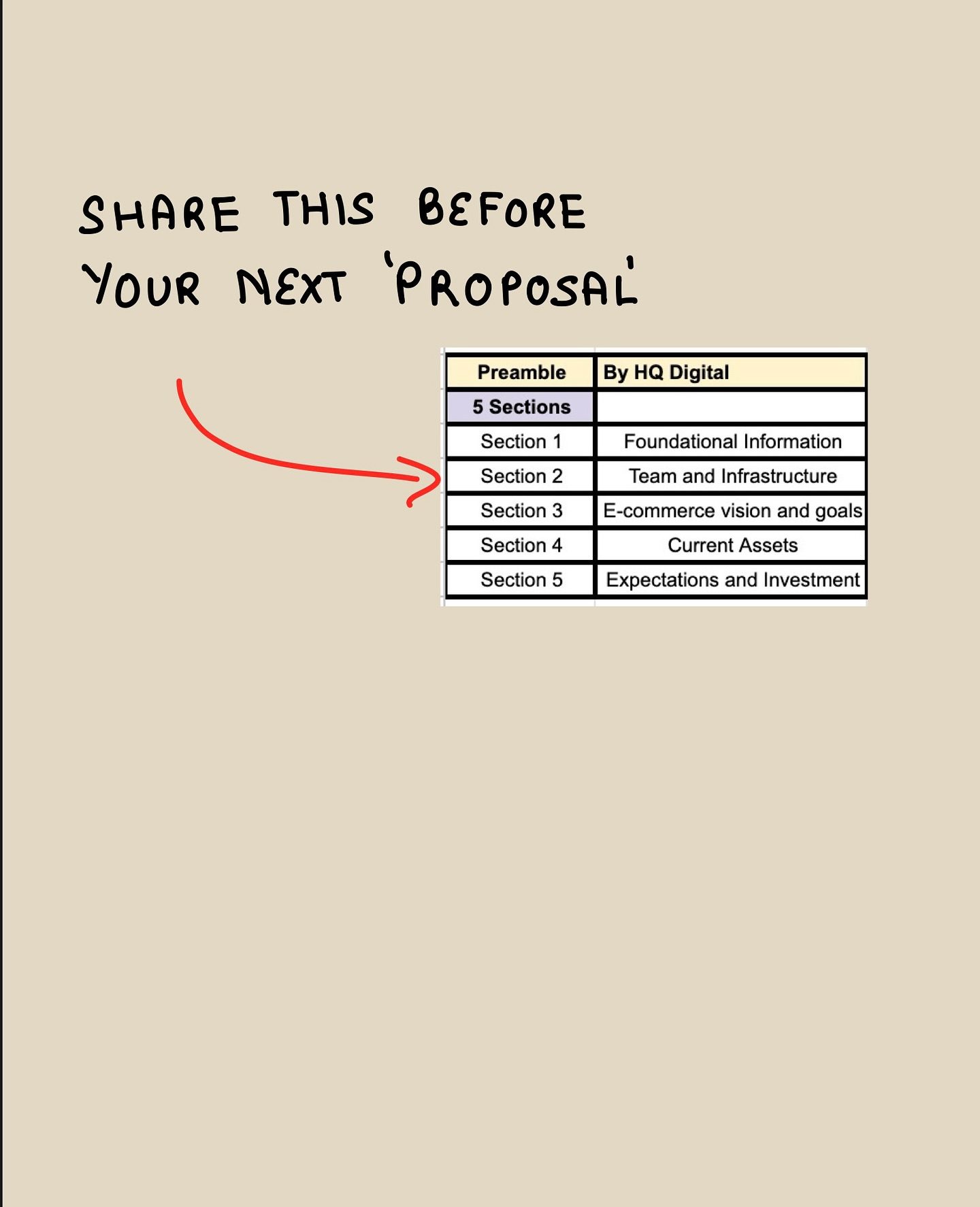
The questionnaire serves as the backbone of a customized proposal. It is structured to cover various aspects of the client's business, including foundational information, e-commerce strategies, and expectations. For example, the questionnaire can be broken down into 22 direct questions, each addressing a specific area of concern.
Foundational Information
The foundational section of the questionnaire gathers basic but critical information about the client's business. This includes:
- Brand Name
- Year of Establishment
- Core Product Categories
- Annual Revenue (approx.) from Other Channels and E-commerce
- Primary Business Model (B2B/B2C/Institutional)
- Key Offline Channels Used (Retail, Distributors, etc.)
E-commerce Strategies
This section focuses on the client's current and planned e-commerce activities. It helps understand their digital presence and their readiness for an e-commerce launch. Questions in this section might include:
- Initial Budget Range for Launching E-commerce (Tech + Marketing)
- Current E-commerce Channels and Platforms
- Expected ROI from E-commerce Activities
Expectations and Investment
Understanding the client's expectations and their definitions of success is crucial. This section includes questions like:
- What is your initial budget range for launching e-commerce (tech + marketing)?
- What expectations do you have from your consultants/agency partners?
- What does success look like to you in Year 1? (Quantify as much as possible, e.g., Topline, number of orders, etc.)
Investment and ROI
This section delves into the client's financial expectations and their view on return on investment. It ensures that both the client and the consultant are aligned on the financial aspects of the project. Questions might include:
- Expected ROI from E-commerce
- Budget Allocations for Different Phases of the Project
- Long-term Financial Goals
Practical Tips
Utilizing Google Sheets for Questionnaire
Google Sheets is a versatile tool that can be used to design and distribute the questionnaire. This digital approach ensures that the data is easily accessible and can be updated in real-time. The Google Sheet can be shared with potential clients, allowing them to fill out the questionnaire at their convenience. Here is how to get started:
- Create a Google Sheet: Start by creating a new Google Sheet and organizing the questions into different sections.
- Share the Link: Share the link with potential clients and instruct them to fill out the questionnaire before the proposal is sent.
- Analyze the Responses: Use the collected data to tailor the proposal to the client’s specific needs and expectations.
Customizing the Proposal
Once the questionnaire is completed, the next step is to customize the proposal. This involves:
- Addressing Specific Needs: Use the information gathered to address the client's specific needs and concerns.
- Highlighting Relevant Experience: Showcase relevant past projects and client testimonials that align with the client's requirements.
- Setting Clear Expectations: Clearly outline what the client can expect from the project, including timelines, deliverables, and milestones.
Positioning as an Expert
Customizing a proposal not only impresses the client but also positions the consultant as an expert in the field. This is achieved by:
- Demonstrating Understanding: Show that you understand the client's business and its unique challenges.
- Providing Strategic Insights: Offer insights and recommendations that go beyond the basic proposal.
- Building Trust: Build trust by demonstrating a thorough understanding of the client's needs and a commitment to delivering results.
Important Takeaways
- Customization Matters: Generic proposals are outdated. Customization through a well-designed questionnaire is key to standing out.
- Data-Driven Approach: Gather comprehensive data to understand the client's needs and expectations.
- Positioning as an Expert: A tailored proposal positions you as an expert, increasing the likelihood of winning the client's trust and business.
- Utilizing Tools: Tools like Google Sheets can streamline the process, making it easier to collect and analyze data.
Conclusion
In today's competitive business landscape, customization and personalization are not just preferences but necessities. A proposal questionnaire helps gather the necessary information to create a tailored, effective proposal. By using this data-driven approach, consultants can position themselves as experts, demonstrate a deep understanding of the client's needs, and increase the likelihood of winning their business. The next time you prepare a proposal, consider using a comprehensive questionnaire to ensure that your proposal stands out and meets the client's specific requirements.
Questions readers ask
Why is a proposal questionnaire important for creating a customized proposal?
A proposal questionnaire is crucial because it helps gather specific information about the client's needs, goals, and preferences. This data allows you to tailor your proposal to address their unique situation, making it more compelling and relevant. Without this information, your proposal may come across as generic and fail to stand out.
How many questions should a proposal questionnaire include to be effective?
A proposal questionnaire with 22 well-crafted questions, as suggested, can be highly effective. This number allows for comprehensive data collection without overwhelming the client. It covers essential aspects of the client's needs, timeline, and preferences, enabling you to create a highly personalized proposal.
Can I use a Google Sheet to create a proposal questionnaire?
Yes, using a Google Sheet to create a proposal questionnaire is a practical approach. It's easy to share, and responses can be collected and organized efficiently. Additionally, you can use the data from Google Sheets to generate a custom proposal template, streamlining the process.
How do I structure a 22-question proposal questionnaire?
Begin with introductory questions to understand the client's basic information and context. Then, move on to more specific questions about their goals, challenges, and preferences. Include questions about their timeline, budget, and any specific requirements they may have. End with open-ended questions to gather additional insights.
What are some key questions to include in a business proposal questionnaire?
Key questions should cover the client's business objectives, current challenges, targeted outcomes, budget constraints, and preferred timeline. Additionally, ask about any specific features or services they are interested in, and gather information about their decision-making process to tailor your proposal effectively.
Can I reuse a proposal questionnaire for different types of proposals?
Yes, you can reuse a proposal questionnaire for different types of proposals, such as ecommerce or commerce proposals. However, make sure to tailor the questions to be relevant to the specific industry or project. This ensures that the information gathered is pertinent and useful for creating a customized proposal.
Recent articles
Fresh deep dives from the latest Reels we unpacked.




Comments
Be the first to comment.