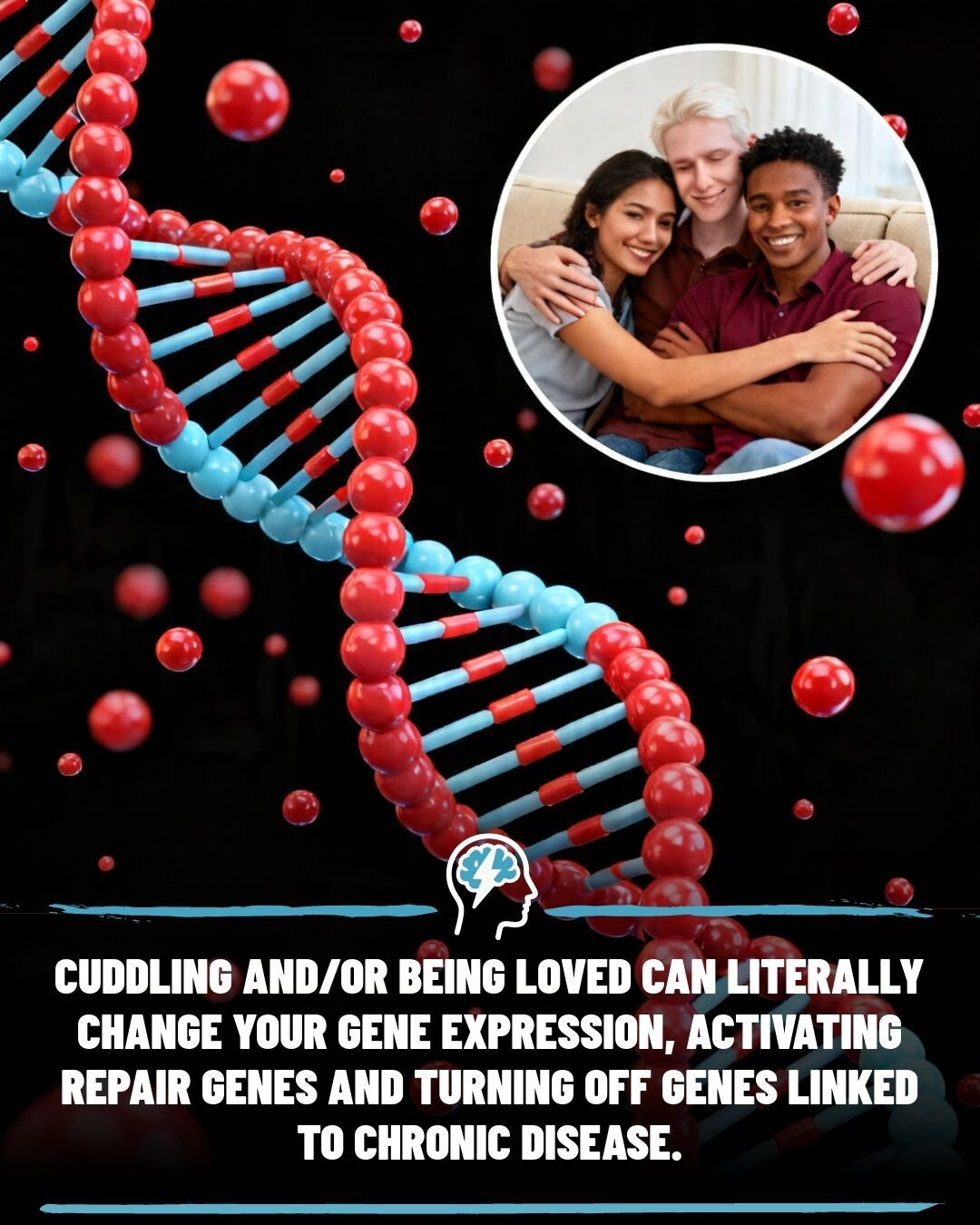
Gene Expression and Love
Physical touch, especially affectionate contact, has a profound impact on our bodies, extending far beyond immediate emotional comfort. Research indicates a tangible link between physical affection and gene expression, a process known as epigenetics, suggesting that loving touch can alter gene behavior in our DNA.
Why Physical Touch Matters
Touch is a basic human need, crucial for emotional and physical health. But the implications of touch go beyond the immediate sense of well-being. It can influence our biological makeup in tangible ways. A deeper look at this connection reveals how our DNA responds to consistent affection, and how this can impact our long-term health.
The Science Behind the Connection
Epigenetics and Gene Expression
Epigenetics is the study of how genes are turned on and off, without altering the DNA sequence itself. Instead, this process involves chemical modifications to the DNA. One of the key processes is called DNA methylation, where a molecule attaches to the DNA, regulating the activity of genes. Research suggests that physical touch and affection can influence this process.
Oxytocin and The Body
When we experience loving touch, our bodies release hormones like oxytocin, often called the "love hormone" or "cuddle hormone." This hormone plays a role in social bonding, emotional regulation, and even immune function. This release of oxytocin can positively influence the chemical tags attached to our DNA. Studies have identified changes in genes involved in immune function, metabolism, and the oxytocin receptor system.
Physical Contact and Healthy Gene Regulation
Research on infants has shown that those who receive less physical contact exhibit distinct patterns of DNA methylation. This means that the genes associated with various bodily functions could be more or less active depending on the level of physical affection received. These findings highlight the importance of consistent, nurturing contact, especially during early development.
The Role of Chronic Disease and Gene Expression
Chronic diseases are often linked to genetic predispositions. However, how these genes are expressed—whether they are active or dormant—can be influenced by environmental factors, including physical touch. Consistent affection may help in deactivating genes linked to chronic diseases, though the full scope of this influence is still being studied.
Practical Tips
Building Strong Connections
To maximize the benefits of physical touch, it's essential to build strong, nurturing relationships. This doesn't have to be romantic love; affectionate touch from family and friends can also have a positive impact.
Incorporate Affection
Incorporate physical affection into your daily routine. This could be a hug when greeting someone, holding hands while walking, or a gentle pat on the back during a conversation. These small acts can have a significant impact on your overall well-being.
Quality Over Quantity
While the frequency of affectionate touch is important, quality is equally crucial. Make sure the touch is meaningful and genuine. Forced or insincere touch may not yield the same benefits and could even be harmful.
Understanding Its Limitations
It's important to understand that while physical touch can have a positive impact on gene expression, it's not a cure-all. It's one piece of a larger puzzle contributing to overall health and well-being.
Don't Over-Rely on Physical Touch
Physical touch should be part of a holistic approach to health. It should not be the sole focus of your wellness regimen. Remember to maintain a balanced diet, exercise regularly, and take care of your mental health.
Important Takeaways
The connection between physical touch and gene expression is a fascinating area of study. It underscores the biological roots of human connection and the importance of nurturing relationships. While the long-term health consequences of these epigenetic changes are not fully understood, the existing evidence underscores the importance of affectionate touch, especially for infants and young children.
Conclusion
These findings emphasize the importance of nurturing relationships and the impact of physical touch on our biological makeup. By understanding the connection between physical touch and gene expression, we can appreciate the depth of human connection and its role in our overall well-being. While research is ongoing, the current evidence suggests that affectionate touch can contribute to healthy gene regulation, particularly during early development.
Questions readers ask
How does cuddling influence gene behavior?
Cuddling and other forms of physical affection can alter gene behavior through a process called epigenetics. This happens due to changes in DNA methylation, which affects how genes are expressed, ultimately impacting our overall health.
What is the role of touch in maintaining long-term health?
Regular physical affection, such as consistent cuddling, can have a positive impact on long-term health by altering gene expression. This can help in maintaining good health and potentially preventing chronic diseases.
Can physical touch repair genes?
While physical touch does not directly repair genes, it can influence gene expression and promote the body's natural repair mechanisms, which are beneficial for overall health.
How does DNA methylation relate to cuddling?
DNA methylation is a process that can be affected by cuddling. Affectionate touch can lead to changes in DNA methylation, which in turn alters gene expression and has a positive effect on your health.
What are the benefits of consistent touch?
Consistent touch, such as regular cuddling, can lead to improved emotional well-being, reduced stress, and even influence the biological processes in our bodies, contributing positively to our overall health.
Can cuddling help prevent chronic diseases?
While cuddling is not a cure, research suggests that the positive effects of physical affection on gene expression and stress reduction may contribute to a lower risk of chronic diseases over time.
What is the relationship between touch and gene activation?
Touch, particularly affectionate touch, can activate certain genes by altering their expression. This activation is part of the epigenetic process and can have long-term impacts on your health and well-being.
Recent articles
Fresh deep dives from the latest Reels we unpacked.




Comments
Be the first to comment.