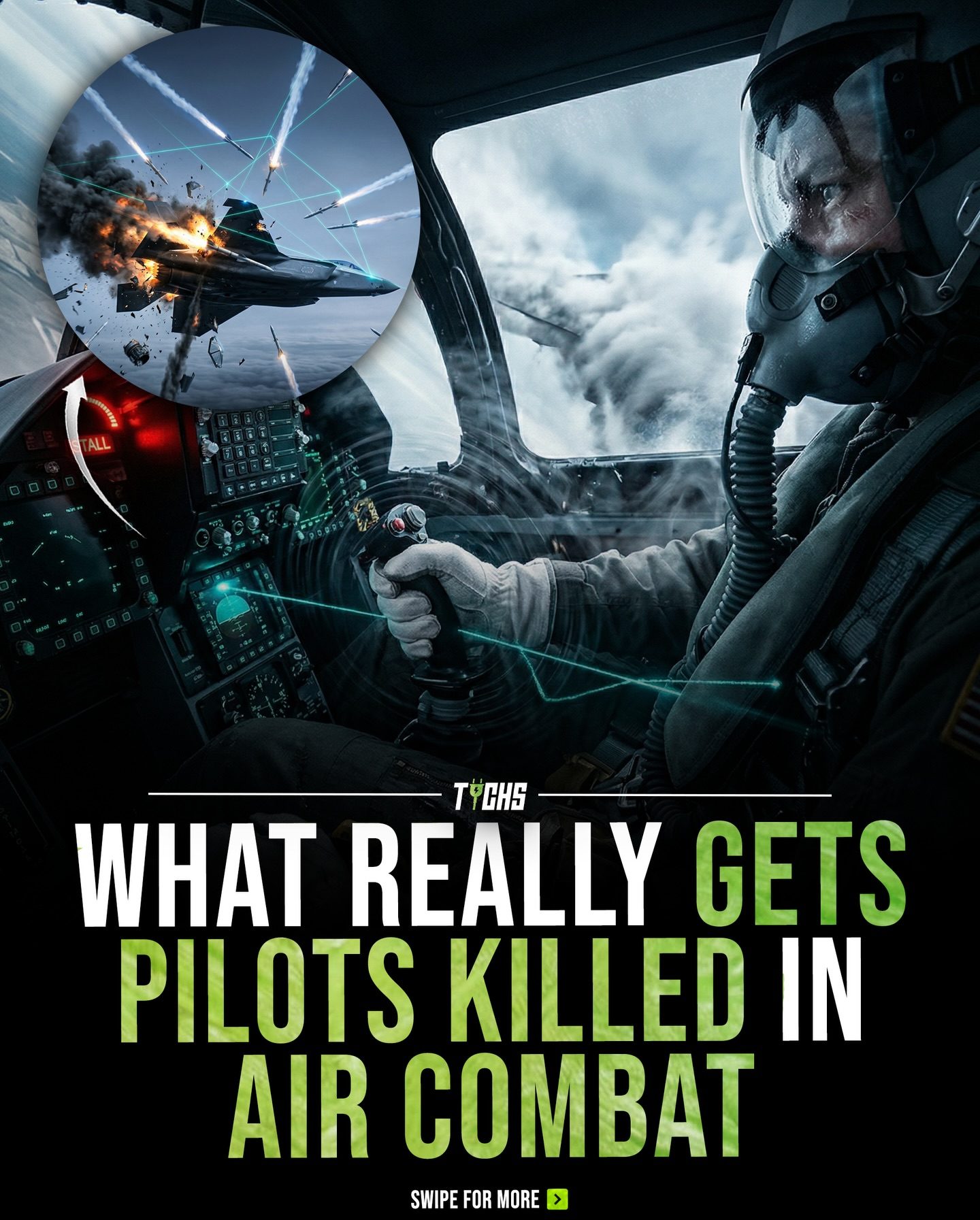
Air Combat Risks: Speed, Awareness, and Decision-Making
Air combat is a high-stakes game where seconds matter and the smallest mistakes can be fatal. Situational awareness, speed, and decision-making must be faultless when pilots navigate intense dogfights. The combat zone itself is a dangerous place where exposed pilots are targets.
Exploring common hazards is critical for understanding the underlying risks associated with air combat. This article delves into key factors that significantly impact survival chances, such as situational awareness, aggressive turns, and the importance of choosing the right engagements. Understanding these risks and strategies can make or break a high-speed aerial combat scenario. Let's break down these important factors.
Why This Matters
Modern aerial combat is a blend of high-speed chases and precision maneuvers. Knowing the risks that pilots face is essential for both those in the cockpit and those who support them. By understanding these risks, pilots can make better decisions that may increase their survival chances in high-stakes situations.
Main Discussion
Air combat is a dynamic environment where split-second decisions can have fatal consequences. Several factors play a crucial role in determining the outcome of a dogfight.
Aggressive Turns and Their Impact
One of the common mistakes pilots make is aggressive turns. These maneuvers can drastically drain the speed of a jet, leaving it vulnerable to enemy fire. Aggressive turns are often necessary in combat, but they must be used wisely. Pilots must be aware that these maneuvers can make the jet an easy target for enemies. Balancing the need for quick turns with an awareness of the jet's energy management is essential for avoiding being an easy target.
Situational Awareness
Losing situational awareness is a significant risk in aerial combat. When pilots are not fully aware of their surroundings, they can be exposed to unseen threats. Maintaining constant situational awareness is crucial for spotting potential dangers and reacting appropriately. Ignoring warning systems can also be fatal, as these systems are designed to alert pilots to incoming threats and other critical information.
Choosing the Right Fight
Entering a dogfight or a long-range battle at the wrong time can be fatal. Pilots must carefully assess the situation and decide whether to engage or retreat. Choosing the wrong type of engagement can provide the enemy with an advantage, especially in high-speed aerial combat scenarios. Deciding when and how to engage is a critical skill that can significantly impact the outcome of a battle.
Energy Management
Effective energy management is another critical skill in aerial combat. Poor energy management can leave a pilot without the necessary speed and altitude to escape a dangerous situation. Pilots must carefully manage their energy levels, ensuring they have enough to maneuver and escape if necessary. Delayed decisions, overreliance on onboard systems, and panicking under pressure can all reduce survival chances, highlighting the importance of discipline, awareness, and precise control.
Practical Tips
Understanding the risks associated with air combat is one thing, but knowing how to mitigate them is another. Here are some practical tips for pilots engaged in high-speed aerial combat scenarios.
Develop Situational Awareness
Maintaining constant situational awareness is crucial. This involves keeping a close eye on the surroundings, identifying potential threats, and reacting appropriately. Pilots must be vigilant and use all available resources, such as radar and other onboard systems, to maintain awareness.
Manage Energy Efficiently
Energy management is key to surviving aerial combat. Pilots must learn to balance speed, altitude, and maneuverability. Avoiding aggressive turns unless necessary and ensuring that the jet has enough energy to escape dangerous situations can significantly increase survival chances.
Choose Engagements Wisely
Pilots must choose their engagements carefully. Assessing the situation and deciding whether to engage or retreat is a critical skill. Engaging too early or too late can provide the enemy with an advantage. Pilots must be disciplined and make decisions based on the information available, rather than relying solely on onboard systems.
Avoid Predictable Flying
Flying predictably can give the enemy an advantage. Pilots must use unpredictable maneuvers to keep the enemy off guard. This involves varying speed, altitude, and direction, making it difficult for the enemy to anticipate movements.
Important Takeaways
Air combat is a high-stakes environment where every second counts. Pilots must be aware of the risks associated with aggressive turns, situational awareness, choosing the right engagements, and energy management. Balancing these factors and making informed decisions can significantly increase survival chances in aerial combat scenarios. Understanding these risks and strategies is essential for both pilots and those who support them.
Conclusion
In modern air combat, success depends on discipline, awareness, and precise control under extreme conditions. By understanding the risks and employing practical strategies, pilots can navigate these high-stakes situations more effectively. Whether it's maintaining situational awareness, managing energy efficiently, or choosing the right engagements, each factor plays a crucial role in determining the outcome of a dogfight. By being aware of these risks and prepared with the right strategies, pilots can significantly improve their chances of survival in the complex and dangerous world of aerial combat.
Questions readers ask
What are the most common fatal errors pilots make during dogfights?
Pilots often make fatal errors during dogfights by losing situational awareness, executing aggressive turns too quickly, and making poor strategic decisions. These mistakes can lead to disorientation, loss of control, or becoming an easy target for the enemy.
How does situational awareness impact survival in air combat?
Situational awareness is crucial in air combat as it helps pilots understand their surroundings, including the position and movements of both friendly and enemy aircraft. Maintaining awareness allows pilots to anticipate threats, avoid surprises, and react appropriately to changing combat scenarios.
What are the risks associated with aggressive turns in air combat?
Aggressive turns in air combat can lead to excessive G-forces, causing pilots to black out or lose control of their aircraft. Additionally, sudden, sharp turns can expose the pilot to enemy fire and reduce their ability to effectively target the enemy. Pilots must balance aggression with control and tactical thinking.
Why is decision-making so important in high-speed aerial combat?
High-speed aerial combat requires quick, strategic decision-making to stay ahead of the enemy. Pilots must choose the right moments to engage, disengage, or reposition their aircraft. Poor decisions can result in missed opportunities, increased exposure to enemy fire, or even catastrophic losses.
How can pilots manage risks effectively during air combat?
Pilots can manage risks in air combat by maintaining situational awareness, using visual systems effectively, and making informed decisions. It's important to avoid overly aggressive maneuvers, prioritize control over the aircraft, and constantly assess the combat scenario to adapt strategies as needed.
Recent articles
Fresh deep dives from the latest Reels we unpacked.




Comments
Be the first to comment.