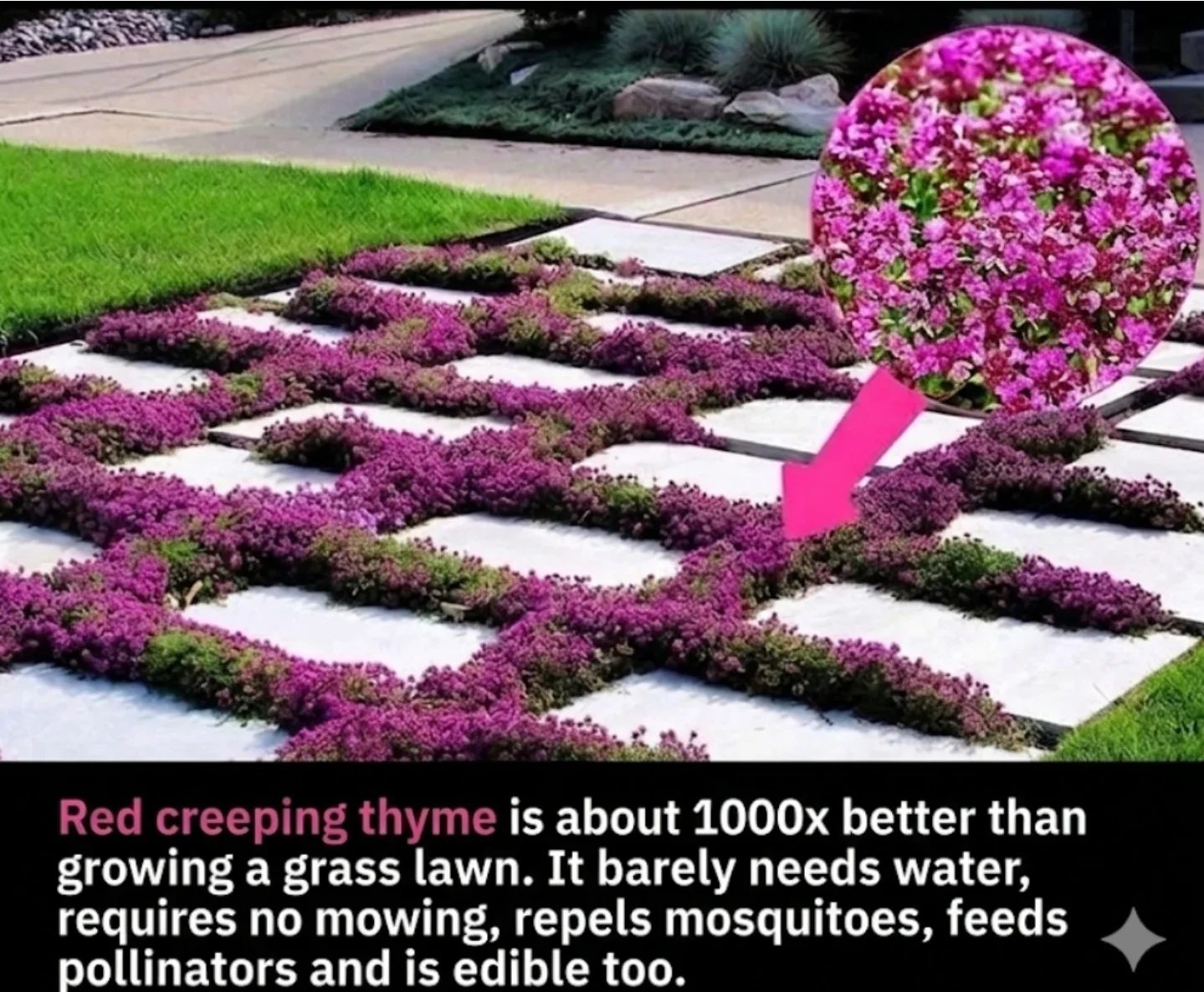
Creeping Thyme as a Lawn Alternative
Creeping thyme has gained significant attention as a potential lawn alternative, particularly the red variety. This hardy, low-growing perennial offers a range of benefits that make it an attractive option for many homeowners. Let's delve into why creeping thyme is becoming a popular choice and explore its practical benefits and considerations.
Why This Matters
Traditional lawns require a significant amount of maintenance, including regular watering, mowing, and fertilizing. In contrast, creeping thyme offers a low-maintenance alternative that can thrive in various conditions. Its ability to repel mosquitoes, attract pollinators, and provide a visually appealing ground cover makes it a valuable addition to many landscapes.
The Benefits of Creeping Thyme
Low Maintenance
One of the standout features of creeping thyme is its low maintenance requirements. Once established, it needs minimal watering and no mowing, making it an ideal choice for those looking to reduce their lawn care efforts. This drought-tolerant plant naturally grows to just a few centimeters tall, which means you can say goodbye to the lawnmower.
Mosquito Repellent
Creeping thyme is known for its mosquito-repelling properties. However, it's important to note that the plant won't repel mosquitoes just by sitting there. To effectively repel mosquitoes, you need to crush the leaves to release the insect-repelling oils. This active step is necessary to harness the plant's natural mosquito-repelling qualities.
Pollinator-Friendly
Creeping thyme is highly attractive to pollinators, making it an excellent choice for eco-friendly gardens. In mid-summer, it produces vibrant magenta flowers that pollinators absolutely love. This not only adds to the aesthetic appeal of your garden but also supports the local ecosystem.
Edible Qualities
Additionally, creeping thyme is edible. It can be used in various culinary dishes, adding a unique flavor to your meals. While harvesting it directly from the ground can be a bit dusty, the edible aspect is a bonus for those who enjoy incorporating herbs into their cooking.
Ground Cover for Walkways
Creeping thyme handles light foot traffic beautifully, making it an excellent choice for planting along walkways and between pavers. Its dense growth habit helps to suppress weeds and create a lush, green ground cover that adds to the overall appeal of your outdoor space.
Considerations for Establishing a Thyme Lawn
While creeping thyme offers numerous benefits, there are a few considerations to keep in mind when establishing a full thyme lawn.
Initial Cost and Effort
Establishing a full thyme lawn requires planting expensive plugs and doing a lot of tedious hand-weeding for the first year or two. This initial investment of time and money is important to consider, especially if you're planning to cover a large area.
Suitable for Light Foot Traffic
While creeping thyme can handle light foot traffic along walkways, it may not be suitable for heavy backyard sports or active pets. This plant is better suited for areas with less intense use, such as pathways and borders.
Heavy Traffic Areas
Because of its delicate nature, creeping thyme may not withstand heavy traffic. For high-activity areas, consider using other ground covers or opting for more durable grass alternatives.
Practical Tips for Growing Creeping Thyme
When deciding to plant creeping thyme, follow these practical tips to ensure a healthy and thriving lawn alternative.
Planting
- Start with Plugs: Begin with plant plugs to ensure a healthy start. Plant them closely together to create a dense ground cover quickly.
- Prepare the Soil: Ensure the soil is well-draining and nutrient-rich. Amending the soil with compost can help improve its quality.
- Watering: While creeping thyme is drought-tolerant, it will need regular watering during the initial establishment phase. Once established, it can thrive with minimal watering.
Maintenance
- Weeding: Be prepared to do a lot of hand-weeding for the first year or two. This will help the thyme establish itself and outcompete weeds.
- Mowing: Given its low growth habit, you won't need to mow it. However, if you want to encourage more dense growth, you can lightly trim it in the spring.
- Crushing Leaves: To harness its mosquito-repelling qualities, periodically crush the leaves to release the repelling oils. This is especially useful during mosquito season.
Best Locations
- Walkways and Paths: Creeping thyme is ideal for planting along walkways and between pavers. Its vibrant flowers and lush growth add a touch of beauty to these areas.
- Borders and Edges: It works well in sunny borders and along the edges of garden beds, providing a attractive ground cover that complements other plants.
Important Takeaways
Creeping thyme is a versatile and low-maintenance alternative to traditional grass lawns. Its mosquito-repelling properties, pollinator-friendly nature, and edible qualities make it a valuable addition to any garden. However, it's essential to consider the initial cost and effort required to establish a full thyme lawn, as well as its suitability for light foot traffic areas.
While creeping thyme may not be a magic fix for a massive yard, it's an excellent choice for sunny borders and stone paths. Its benefits far outweigh the considerations, making it a practical and aesthetic choice for many homeowners.
Conclusion
Creeping thyme offers a sustainable and visually appealing alternative to traditional lawns. Its low maintenance requirements, mosquito-repelling properties, and support for pollinators make it an attractive option for eco-conscious gardeners. While it may not be suitable for heavy traffic areas, its numerous benefits make it a valuable addition to any garden. Consider creeping thyme for your next lawn project and enjoy the beauty and functionality it brings to your outdoor space.
Questions readers ask
What are the main benefits of using creeping thyme as an alternative to a traditional grass lawn?
Creeping thyme offers several advantages. It's low-growing and hardy, requiring less mowing, watering and fertilizing than traditional grass. Additionally, it repels mosquitoes, attracts pollinators, and provides a visually appealing ground cover.
Why is creeping thyme considered an eco-friendly lawn option?
Creeping thyme is eco-friendly because it reduces the need for water and fertilizers, and it promotes local ecosystems. It thrives with minimal care and supports pollinators, which contributes to a healthy environment.
How does creeping thyme help with pest control?
Creeping thyme, especially the red variety, acts as a natural mosquito repellent. Its scent masks the attractants that draw mosquitoes to a yard. This means fewer pests and a more comfortable outdoor experience.
Can creeping thyme be used in areas other than a lawn?
Yes, creeping thyme is versatile and can be used as a ground cover in various settings, such as between paving stones, along walkways, or in rock gardens. It also produces tiny pink or purple flowers in the summer, which attract pollinators and enhance its aesthetic appeal.
What are the practical considerations when planting a creeping thyme lawn?
One advantage is that you won't need to mow, making it a no-mow lawn alternative. However, keep in mind that creeping thyme grows slowly and may take a few seasons to fully establish. Also, it prefers well-drained soil and full sun, so site selection is important.
Is creeping thyme safe for pets and children?
Yes, creeping thyme is generally considered safe for both pets and children. However, it's always a good idea to consult with a healthcare professional or a veterinarian if you have specific concerns, as individual reactions can vary.
Related deep dives
Similar reads based on topic and creator.
Recent articles
Fresh deep dives from the latest Reels we unpacked.




Comments
Be the first to comment.