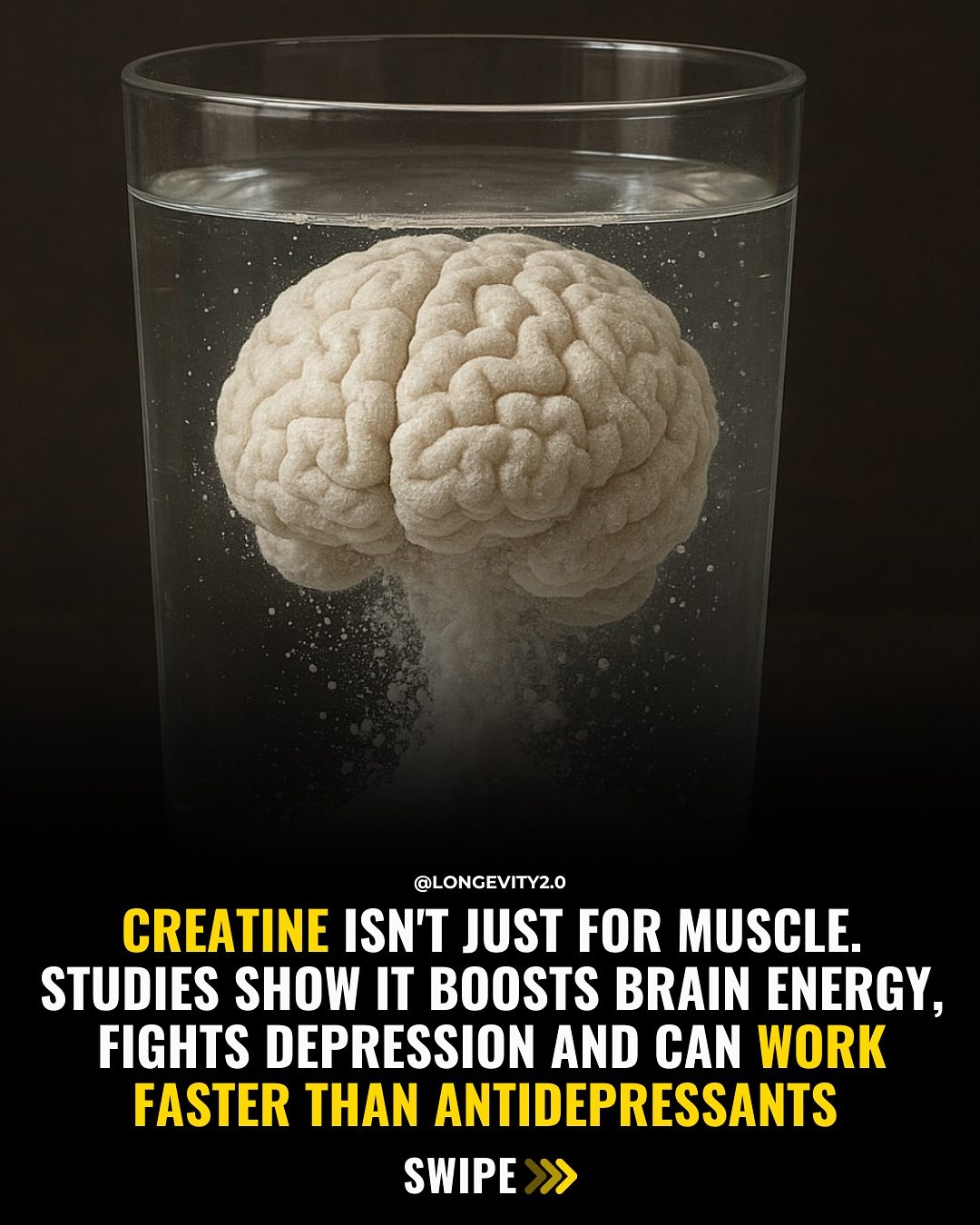
Creatine Benefits for Brain Health
Creatine is often associated with muscle growth and athletic performance, but its benefits extend far beyond the gym. Recent research highlights creatine's potential to significantly improve brain health, offering a range of cognitive advantages that are often overlooked. Understanding how creatine can enhance brain function may prompt you to consider this supplement as a valuable addition to your daily routine.
Context / Why This Matters
The brain is the most energy-hungry organ in the body, consuming a significant amount of the body's overall energy. When the brain is low on fuel, it can affect mood, memory, and focus. Creatine, a naturally occurring compound found in small amounts in foods like meat and fish, acts as a backup energy source for the brain. Supplementing with creatine can help ensure that the brain has a steady supply of energy, potentially leading to improved cognitive function and overall mental well-being.
Main Discussion
Creatine and Brain Energy
Creatine works by boosting the brain's energy supply, which can have a profound impact on various cognitive functions. When the brain has more fuel, it can perform better in areas such as mood regulation, memory, and clarity. This increased energy supply can also enhance resilience, helping the brain to better handle stress and mental fatigue.
Key Points:
- Creatine supplements can increase the brain's energy supply.
- Improved energy levels in the brain can lead to better mood, memory, and focus.
- Enhanced brain resilience can help manage stress and mental fatigue more effectively.
Creatine and Mental Health
One of the most compelling benefits of creatine for brain health is its potential to aid in the treatment of depression. Clinical trials have shown that creatine can enhance the effects of antidepressants and speed up symptom relief. Unlike traditional antidepressants, which can take 6 to 8 weeks to show any real benefit, creatine has been found to provide noticeable improvements within just a few weeks. This makes it a valuable addition to mental health regimens, offering faster relief and potential long-term benefits.
Creatine and Cognitive Function
Beyond its role in mental health, creatine has been linked to several other cognitive benefits. Studies suggest that creatine may support:
- Faster mental recovery
- Better working memory
- Improved decision-making under stress
- Greater resistance to mental fatigue
These benefits can be particularly useful for individuals who need to maintain high levels of mental performance, such as students, professionals, and athletes.
Creatine and Long-Term Use
Creatine is considered safe for long-term use, with few reported side effects. Some people may experience mild bloating initially, but serious side effects are extremely rare. The recommended dose is typically 3–5 grams per day, making it a convenient and well-tolerated supplement. Given its safety profile and potential benefits, creatine can be a worthwhile addition to a daily supplement regimen.
Practical Tips
Incorporating Creatine into Your Routine
Incorporating creatine into your daily routine can be straightforward. Here are some practical tips to help you get started:
- Start Small: Begin with a lower dose, around 3 grams per day, to see how your body responds. Gradually increase to the recommended 5 grams if needed.
- Consistency is Key: Creatine works best when taken consistently. Make it a habit to take it at the same time each day.
- Timing Matters: While the timing of creatine intake is not as crucial as with some other supplements, many people find it beneficial to take it in the morning or with a meal to optimize absorption.
- Stay Hydrated: Creatine can pull water into your cells, so make sure to drink plenty of water throughout the day.
- Consider Cycling: Some people prefer to cycle creatine, taking it for a few weeks and then taking a break. However, this is not strictly necessary, and long-term use is generally considered safe.
Choosing the Right Creatine Supplement
When selecting a creatine supplement, opt for a high-quality product from a reputable brand. Look for creatine monohydrate, which is the most studied and widely used form. Check the label for purity and avoid products with unnecessary additives or fillers. If you prefer a flavored option, consider brands that offer tasteless or mild-tasting formulations to make it easier to incorporate into your routine.
Addressing Side Effects
While creatine is generally well-tolerated, some people may experience mild side effects such as bloating or stomach discomfort, especially when first starting to use it. If you experience these symptoms, try reducing your dose or taking creatine with food. If symptoms persist, consult a healthcare provider to determine if creatine is suitable for you.
Important Takeaways
- Creatine is not just for muscle growth; it has significant benefits for brain health.
- Increasing the brain's energy supply with creatine can improve mood, memory, and cognitive function.
- Creatine can enhance the effects of antidepressants and provide faster symptom relief.
- Studies suggest creatine may support better working memory, decision-making under stress, and resistance to mental fatigue.
- Creatine is safe for long-term use, with few reported side effects and a recommended dose of 3–5 grams per day.
- Incorporating creatine into your daily routine can be simple and beneficial for overall mental performance.
Conclusion
Creatine’s benefits for brain health are often overlooked, but the research is clear: creatine can significantly enhance cognitive function, mental health, and overall well-being. By boosting the brain's energy supply, creatine can improve mood, memory, and resilience, making it a valuable tool for those looking to optimize their mental performance. Given its safety profile and potential benefits, creatine is worth considering as a part of a daily supplement regimen. If you're looking for a simple, science-backed way to support your brain health, creatine might be one of the most underrated tools available.
Questions readers ask
How does creatine provide energy to the brain?
Creatine acts as a backup energy source for the brain, helping to maintain its functions when its primary fuel supply is low. It does this by replenishing ATP, the brain's primary energy currency, which is essential for various cognitive processes.
Can creatine supplements help improve my memory?
Yes, creatine supplements have been shown to enhance memory function. By providing an additional energy reserve, creatine helps to maintain the brain's ability to process and recall information.
What are the benefits of creatine for mood regulation?
Creatine supplementation may help stabilize mood by providing the brain with a consistent energy supply. This can alleviate symptoms of depression and reduce mental fatigue, which often contributes to mood swings.
How does creatine enhance cognitive performance?
Creatine enhances cognitive performance by maintaining optimal brain energy levels. This helps to improve focus, mental clarity, and overall cognitive efficiency, especially during tasks that require sustained mental effort.
Is it safe to take creatine supplements for brain health?
Creatine supplements are generally considered safe for most individuals when used appropriately. However, it's essential to consult with a healthcare provider before starting any new supplement regimen, especially if you have pre-existing health conditions or are taking other medications.
Can creatine help with mental fatigue?
Yes, creatine can help alleviate mental fatigue. By providing an additional energy source for the brain, creatine helps to sustain cognitive performance and reduce the mental exhaustion that often accompanies prolonged mental tasks.
Recent articles
Fresh deep dives from the latest Reels we unpacked.




Comments
Be the first to comment.