The Art of Rose Water Distillation in India
Rose water, a fragrant and versatile liquid, has been a staple in many cultures for centuries. In India, the process of creating pure rose water is an art form that combines traditional craftsmanship with innovative techniques. This journey from fresh rose petals to liquid gold involves a series of meticulous steps, each contributing to the final product's purity and fragrance.
Why This Matters
Rose water is more than just a pleasant-smelling liquid; it is a versatile elixir with a range of uses. From culinary applications to skincare and religious rituals, rose water holds a significant place in various aspects of life. Understanding the traditional methods of its production sheds light on the cultural and economic importance of this craft.
The Distillation Process
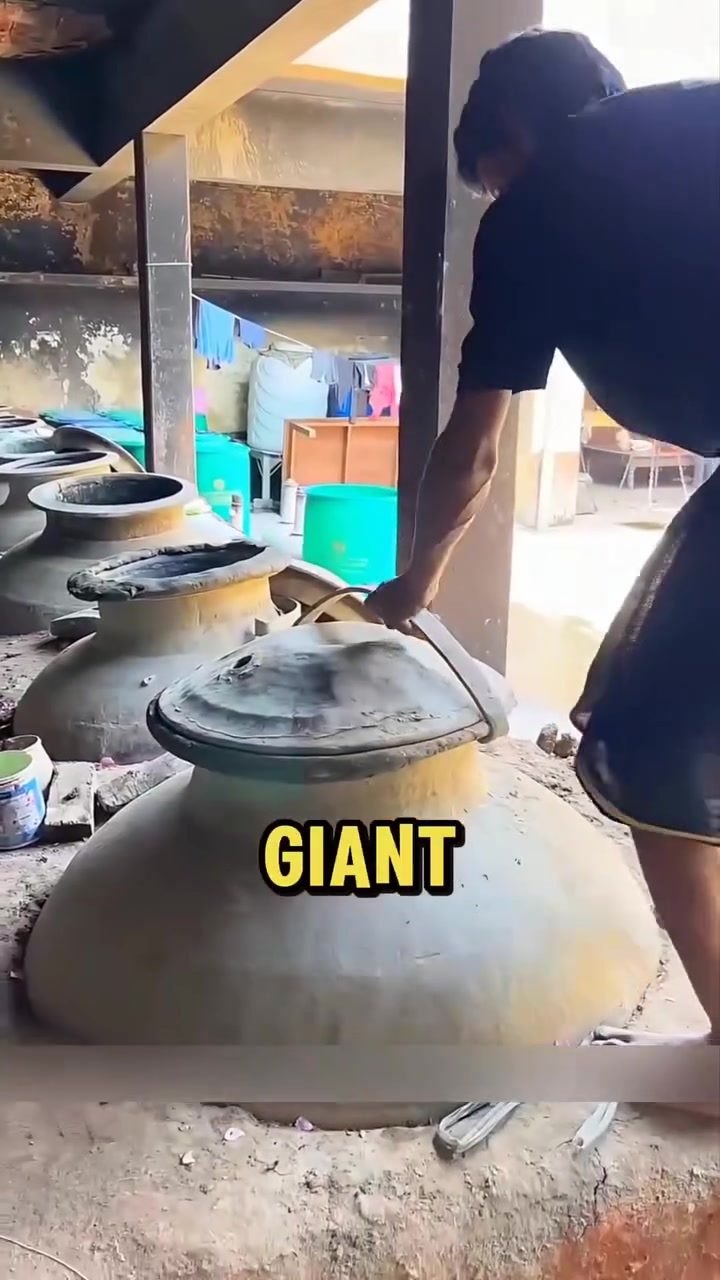
The process of making rose water begins with a giant copper pot. This pot, filled with freshly picked roses, is the starting point of a meticulous distillation process. The craftsmanship involved in this step is a testament to the traditional knowledge passed down through generations.
Preparing the Roses
The craftsman begins by dumping fresh roses into the copper pot. He then stomps on them tightly with his feet until the pot is completely full. This physical step ensures that the roses are tightly packed, allowing for maximum extraction of their essential oils during the distillation process.
Sealing and Heating
After the roses are tightly packed, the pot is sealed with a ring of clay. This sealing process is crucial as it prevents any loss of the fragrant steam that will be generated during heating. The craftsman then pours in Ganges water, a revered water source in India known for its purity and spiritual significance.
The craftsmanship doesn't end with sealing; it continues with the heating process. Using dried cow dung as fuel, the craftsman slowly heats the pot. This slow and steady heating ensures that the roses begin to boil gradually, releasing their fragrant steam. The steam travels through a long iron pipe connected to a copper container, where it cools back into liquid.
The Magic of Traditional Techniques
The distillation process in this small workshop, though simple in appearance, is surprisingly clever. The use of a copper pot and iron pipe, along with the traditional fuel of dried cow dung, creates an efficient system for extracting the essential oils from the roses. The slow heating process ensures that the fragrance of the roses is preserved, resulting in a clear, fragrant liquid loved around the world.
Profitability and Cultural Significance
The traditional method of making rose water has made small workshops incredibly profitable. The purity and fragrance of the rose water produced through this method are unmatched, making it a sought-after product. The process not only ensures the quality of the rose water but also preserves a cultural heritage that has been passed down through generations.
Practical Tips for Rose Water Production
Creating rose water at home can be a rewarding experience. Here are some practical tips to help you get started:
-
Choose the Right Equipment: A copper pot is ideal for distillation due to its excellent heat conductivity. Ensure that the pot is large enough to accommodate a significant amount of roses.
-
Select High-Quality Roses: Freshly picked roses with a strong fragrance will yield the best results. Avoid using wilted or damaged roses.
-
Pack the Roses Tightly: Packing the roses tightly helps in extracting the maximum essential oils. Be sure to stomp them down firmly.
-
Use Pure Water: The quality of the water used for distillation can affect the final product. Consider using pure or distilled water for the best results.
-
Heat Gradually: Slow and steady heating is crucial for releasing the fragrance without burning the roses. Monitor the temperature carefully.
-
Cool the Steam Efficiently: Ensure that the steam cools back into liquid efficiently. A well-designed copper container can help in this process.
Important Takeaways
The traditional method of making rose water in India is a testament to the country's rich cultural heritage and craftsmanship. The process, though simple in appearance, involves meticulous steps that ensure the purity and fragrance of the final product. From selecting high-quality roses to heating the pot gradually, each step plays a crucial role in creating a product loved around the world.
Conclusion
The art of making rose water in India is a blend of traditional craftsmanship and modern innovation. The process, involving a giant copper pot, fresh roses, and a clever distillation system, results in a pure and fragrant liquid. This traditional method not only preserves cultural heritage but also ensures the quality and profitability of small workshops. Whether for culinary, skincare, or religious purposes, rose water holds a significant place in various aspects of life, making its production a valuable craft.
Questions readers ask
What makes copper pots essential in the distillation of rose water in India?
Copper pots are preferred in Indian rose water distillation due to their excellent heat conductivity, which ensures even heating. Additionally, copper has natural antibacterial properties, contributing to the purity of the rose water. The traditional craftsmanship involved in creating these pots also adds to the authenticity of the process.
How does the traditional Indian method of rose water distillation differ from modern techniques?
The traditional Indian method focuses on manual labor, using copper pots and steam distillation. This approach allows for precise control over the temperature and pressure, which is crucial for preserving the delicate aroma of the rose petals. In contrast, modern techniques often employ automated machinery and may use different materials, potentially altering the final product's quality.
What are the key steps involved in making rose water using the copper pot method?
The process begins with collecting fresh, fragrant rose petals. These petals are then placed in a copper pot filled with water, which is then heated. The steam generated carries the rose essence, which is condensed and collected as rose water. The distillation process is repeated multiple times to ensure the highest purity and concentration of the fragrance.
Can you explain the significance of rose water in Indian culture?
Rose water is deeply ingrained in Indian culture, used in various rituals, culinary practices, and skincare routines. It is often used during religious ceremonies for its fragrant and purifying properties. In cooking, it adds a subtle, aromatic flavor to dishes. Additionally, rose water is a popular ingredient in Indian beauty regimens, known for its soothing and hydrating effects on the skin.
What are the benefits of using traditionally made rose water?
Traditionally made rose water is known for its superior fragrance and purity. The manual distillation process in copper pots ensures that the natural essence of the roses is preserved. Additionally, traditionally made rose water is free from additives and chemicals, making it a natural and safe choice for various applications, including skincare and cooking.
How can I make rose water at home using a copper pot?
To make rose water at home, start by filling a copper pot with fresh rose petals and water. Heat the mixture until it begins to steam. Condense the steam back into liquid form and collect it. Repeat the process several times to achieve a concentrated, fragrant rose water. Ensure you use a copper pot to benefit from its heat conduction and antibacterial properties.
What types of rose petals are best for making rose water?
The best rose petals for making rose water are fresh, fragrant varieties such as Damask or Kabuli roses. These roses are known for their strong, pleasant aroma and are often used in traditional Indian rose water distillation. Avoid using dried or wilted petals, as they may not produce the desired fragrance and purity in the final product.
Related deep dives
Similar reads based on topic and creator.

Recent articles
Fresh deep dives from the latest Reels we unpacked.




Comments
Be the first to comment.