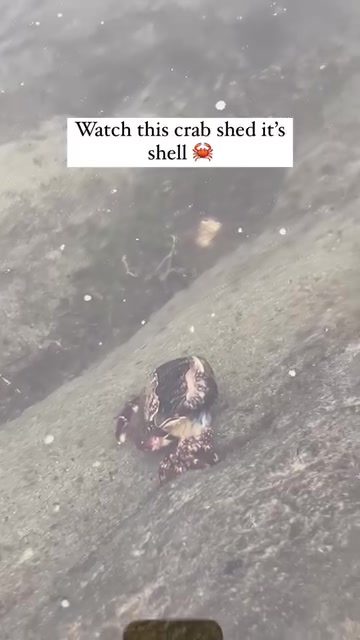
Crab Molting: A Fascinating Natural Process
Crab molting is a natural and crucial process that allows crabs to grow and develop. As crabs grow, their hard exoskeletons become too tight, necessitating the shedding of their old shell to make room for their larger bodies. This process, known as molting, is a remarkable aspect of crab biology that ensures their continued growth and survival.
Why This Matters
Understanding crab molting is essential for several reasons. It provides insights into the fascinating world of marine biology, highlights the resilience and adaptability of crustaceans, and offers a glimpse into the natural processes that sustain marine ecosystems. Moreover, for those involved in fishing, aquaculture, or marine conservation, knowledge of molting can be invaluable for understanding crab behavior, population dynamics, and conservation strategies.
The Molting Process
The Need to Molt
Crabs, like other arthropods, have exoskeletons that provide protection and support. However, these exoskeletons are rigid and do not grow with the crab. As a crab grows, its exoskeleton becomes constrictive, limiting movement and growth. To accommodate their increasing size, crabs must periodically shed their old exoskeletons, a process known as molting.
Preparing to Molt
Before molting, a crab begins to form a new, soft shell underneath the old one. This new shell is initially soft and flexible, allowing the crab to expand and grow. The process of forming a new shell is triggered by hormonal changes within the crab's body, ensuring that the new shell is ready to take the place of the old one once it is shed.
The Molting Process
Molting is a delicate and vulnerable time for crabs. The process begins with the crab finding a safe and secluded spot, often in a sandy or muddy environment, to minimize the risk of predation. The crab then secretes enzymes that break down the old exoskeleton, allowing it to emerge from the old shell. This new, soft shell is significantly larger than the old one, providing the crab with the space it needs to grow.
Post-Molting
Immediately after shedding its old shell, the crab is extremely vulnerable. The new shell is soft and flexible, offering little protection against predators. During this critical period, the crab hides and avoids activity until its new shell hardens and provides the necessary protection. This process can take several hours to a few days, depending on the species and environmental conditions.
Practical Tips for Observing Crab Molting
Observing crab molting in nature can be a rewarding experience for marine enthusiasts and biologists alike. Here are some practical tips for safely observing this natural process:
Choose the Right Environment
Crabs typically molt in secluded, sandy, or muddy environments. Look for areas where crabs are known to reside, such as tidal pools, sandy beaches, or rocky shorelines. These environments provide the safety and concealment crabs need during the molting process.
Be Patient and Quiet
Molting crabs are extremely vulnerable and easily disturbed. Approach the area quietly and patiently, and avoid making sudden movements or loud noises. Use binoculars or a spotting scope to observe from a distance, ensuring you do not disrupt the crab's natural behavior.
Respect the Crab's Space
Maintain a safe distance from the molting crab and avoid handling it, especially during the vulnerable post-molting phase. Handling a molting crab can cause stress and potentially injure it. Allow the crab to complete the molting process undisturbed.
Important Takeaways
Crab molting is a critical and fascinating natural process that plays a vital role in the growth and survival of these marine creatures. Understanding the molting process provides valuable insights into crab biology, behavior, and the broader marine ecosystem. By observing and respecting this process, we can contribute to the conservation and protection of marine life.
Conclusion
Crab molting is a remarkable example of nature's intricate and efficient mechanisms for sustaining life. From the delicate formation of a new shell to the vulnerable post-molting phase, every step of the process is a testament to the resilience and adaptability of these remarkable creatures. By understanding and appreciating the molting process, we can gain a deeper appreciation for the natural world and the role it plays in sustaining life on Earth.
Questions readers ask
What triggers the crab molting process?
Crab molting is primarily triggered by the need for growth. As crabs increase in size, their exoskeleton becomes restrictive, initiating the molting process. This ensures that crabs can continue to grow and develop properly.
How does a crab's exoskeleton regenerate after molting?
After shedding their old exoskeleton, crabs secrete a new, soft shell from glands located in their stomach. This new shell hardens over time, providing protection and support for the crab's body. The entire process can take several days to a few weeks, depending on the species and environmental conditions.
What are the stages of crab molting?
The crab molting process involves several stages. Initially, the crab absorbs water to expand its body. Next, the old exoskeleton splits and the crab emerges, leaving the old shell behind. The crab then waits for its new exoskeleton to harden, a process that can take a considerable amount of time. Finally, the crab reenters its normal activities, with a larger and stronger exoskeleton.
How long does the crab molting process take?
The duration of crab molting varies by species and environmental conditions. Generally, the molting process can take from a few hours to several days. The subsequent hardening of the new exoskeleton can extend this period to a few weeks.
Are there any risks associated with crab molting?
During molting, crabs are extremely vulnerable to predators due to their soft, newly formed exoskeletons. To mitigate this risk, crabs often hide in safe spaces while their new shell hardens. Additionally, the process of shedding and regenerating the exoskeleton requires significant energy, making it a critical and delicate phase in a crab's life.
Why is it important to study the crab molting cycle?
Understanding the crab molting cycle offers valuable insights into marine biology and the life cycles of crustaceans. It can also inform practices in fishing, aquaculture, and marine conservation, helping to ensure sustainable management of crab populations and the broader marine ecosystem.
Related deep dives
Similar reads based on topic and creator.




Recent articles
Fresh deep dives from the latest Reels we unpacked.




Comments
Be the first to comment.