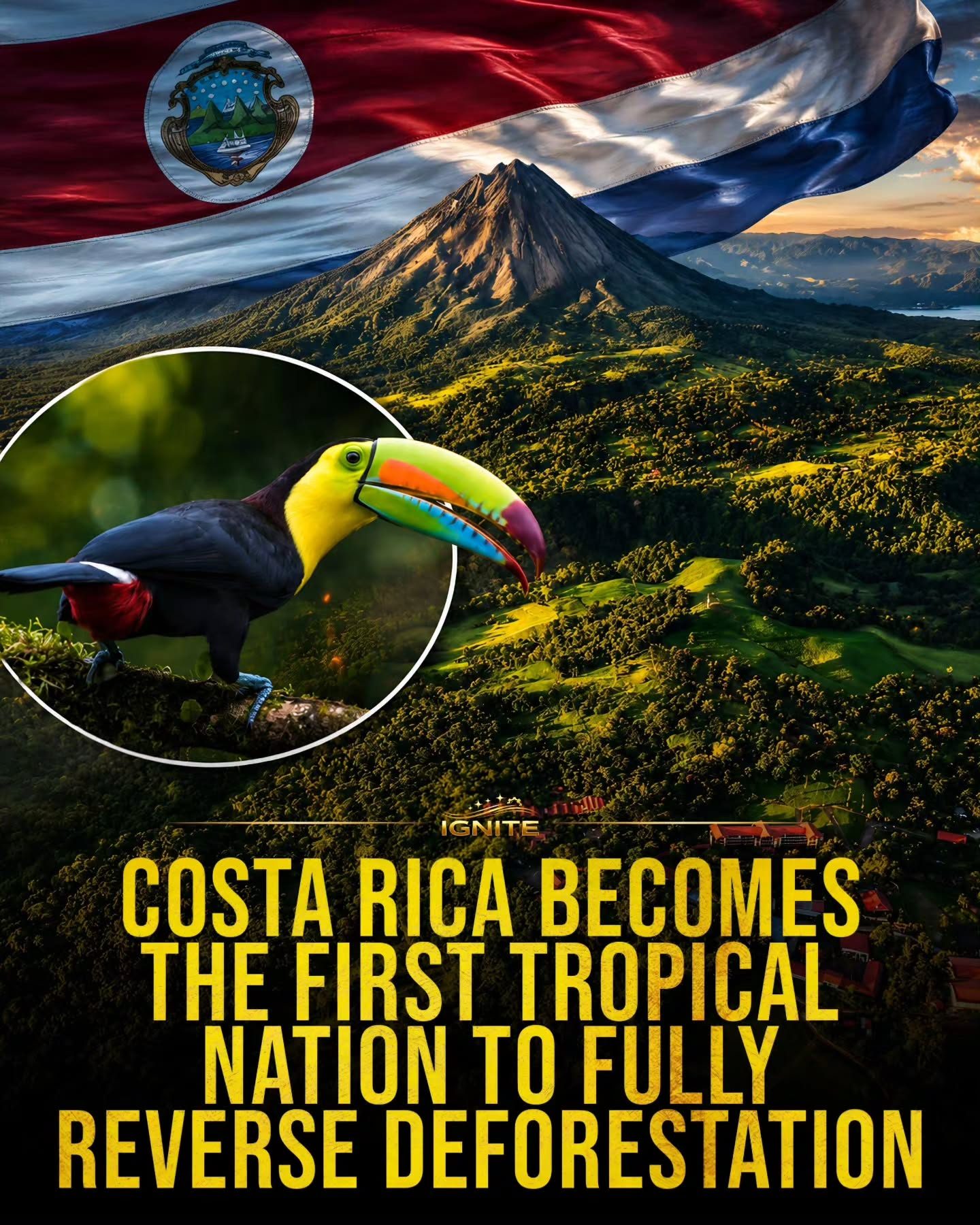
Costa Rica has achieved something remarkable: it has fully reversed deforestation, becoming the first tropical nation to do so. This impressive feat underscores the country's strong commitment to environmental sustainability and serves as a beacon of hope for other nations grappling with similar challenges.
Why This Matters
Deforestation is a critical global issue, with vast tracts of forests being cleared for agriculture, urban development, and other human activities. This loss of forest cover has severe consequences, including habitat destruction, biodiversity loss, and contributions to climate change. Tropical forests, in particular, are crucial for their role in carbon sequestration and supporting a rich array of plant and animal species. Costa Rica's success in reversing deforestation offers valuable insights and inspiration for conservation efforts worldwide.
A Comprehensive Approach to Conservation
Sustainable Forest Management
Costa Rica's journey to reversing deforestation began with a robust focus on sustainable forest management. The country implemented policies that encouraged reforestation and protected existing forests. Key initiatives included:
-
Reforestation Programs: The government and private sector collaborated on large-scale reforestation projects, planting millions of trees across the country. These efforts not only helped restore forest cover but also provided economic opportunities for local communities.
-
Protected Areas: Costa Rica established numerous national parks and protected areas, safeguarding vast swathes of its natural heritage. These protected areas serve as vital habitats for wildlife and carbon sinks, helping to mitigate climate change.
Economic Incentives
Creating economic incentives for conservation has been a cornerstone of Costa Rica's strategy. The country introduced payment for ecosystem services (PES) programs, which compensate landowners for maintaining or restoring forests. These programs provide financial benefits that often outweigh the economic gains from deforestation, making conservation a viable and attractive option for landowners.
Community Involvement
Engaging local communities in conservation efforts has been pivotal. Costa Rica has empowered indigenous and rural communities to manage and protect their local forests. This involvement not only enhances the effectiveness of conservation efforts but also ensures that the benefits are equitably shared.
Policy and Legislation
Strong environmental policies and legislation have provided the necessary framework for Costa Rica's success. The country has enacted laws that protect forests, regulate land use, and promote sustainable practices. Enforcement of these laws, along with transparency and accountability, has been crucial in achieving and maintaining the reversal of deforestation.
Practical Tips for Aspiring Conservationists
While Costa Rica's approach may be unique in its scale and effectiveness, there are several practical tips that can be applied by individuals and communities anywhere:
Plant Trees
Reforestation is a straightforward way to combat deforestation. Planting trees in your local area or supporting reforestation projects can make a tangible difference.
Support Local Initiatives
Get involved with local conservation groups and initiatives. Volunteer your time, donate resources, or advocate for policies that protect and restore forests.
Promote Sustainable Practices
Encourage sustainable land use and agricultural practices that minimize deforestation. This can include supporting eco-friendly products and practices in your everyday life.
Advocate for Strong Environmental Policies
Advocate for strong environmental policies and legislation in your community. Engage with local and national leaders to ensure that conservation is a priority.
Educate Others
Raising awareness about the importance of forests and the dangers of deforestation is crucial. Educate others through social media, community events, and personal conversations.
Important Takeaways
Costa Rica's success in reversing deforestation highlights several key takeaways:
-
Holistic Approach: A comprehensive approach that integrates sustainable forest management, economic incentives, community involvement, and strong policies is essential for effective conservation.
-
Economic Benefits: Conservation efforts can be economically beneficial, providing long-term gains that often surpass the short-term benefits of deforestation.
-
Community Engagement: Involving local communities ensures that conservation efforts are sustainable and equitable.
-
Policy and Enforcement: Strong environmental policies and their enforcement are critical for achieving and maintaining conservation goals.
Conclusion
Costa Rica's achievement in fully reversing deforestation is a testament to the power of commitment, innovation, and collective effort. By focusing on sustainable forest management, economic incentives, community involvement, and strong policies, the country has not only restored its forests but also set a global example for environmental sustainability. Each of us can play a part in this effort, whether through planting trees, supporting local initiatives, or advocating for strong environmental policies. Let's ignite a global movement inspired by Costa Rica's success and work together to protect and restore our planet's vital forests.
Questions readers ask
How did Costa Rica manage to reverse deforestation?
Costa Rica implemented a combination of strategies, including strict environmental laws, reforestation programs, and economic incentives for sustainable forestry. The country also invested in national parks and protected areas, which helped to safeguard its tropical forests and biodiversity.
What are the main causes of deforestation that Costa Rica had to overcome?
Costa Rica faced deforestation driven by agriculture, urban development, and logging. The country tackled these issues by promoting sustainable farming practices, controlling urban sprawl, and enforcing regulations on logging activities.
What role do tropical forests play in global environmental health?
Tropical forests are vital for carbon sequestration, helping to mitigate climate change. They also support a vast array of plant and animal species, making them crucial for maintaining biodiversity. Additionally, they influence regional and global weather patterns.
What can other nations learn from Costa Rica's success in reversing deforestation?
Other nations can learn the importance of strong environmental policies, community involvement, and economic incentives for sustainable practices. Costa Rica's approach demonstrates that a holistic strategy, combining conservation efforts with economic development, can yield significant environmental gains.
How has Costa Rica's reforestation efforts contributed to its environmental achievements?
Reforestation efforts have been key to Costa Rica's success. By planting new forests and protecting existing ones, the country has not only increased its forest cover but also enhanced its capacity to absorb carbon dioxide, support wildlife, and maintain ecological balance.
What specific policies did Costa Rica implement to achieve its environmental milestone?
Costa Rica introduced policies such as the Payment for Environmental Services (PES) program, which compensates landowners for conserving forests. The country also established numerous national parks and wildlife refuges, and enforced strict laws against illegal logging and land clearing.
How has Costa Rica's environmental success impacted its biodiversity?
By reversing deforestation, Costa Rica has created a more stable and expansive habitat for its diverse wildlife. This has led to increased populations of many species and the protection of numerous endangered plants and animals, contributing to the country's rich biodiversity.
Related deep dives
Similar reads based on topic and creator.




Recent articles
Fresh deep dives from the latest Reels we unpacked.




Comments
Be the first to comment.