Copper Water Storage: Ancient Practice and Modern Claims
Storing water in copper vessels, known as tamra jal in traditional Ayurvedic medicine, is an ancient practice with a resurgence in modern times. This method is celebrated for its potential health benefits, particularly its antimicrobial properties and the unique characteristics it imparts to water. Let's delve into the science behind these claims and explore the practical aspects of using copper for water storage.
Context: Why Copper Water Storage Matters
The practice of storing water in copper vessels has gained attention not only for its historical significance but also for its potential health benefits. Copper is known for its natural antimicrobial properties, which can help purify water by destroying harmful bacteria, viruses, and fungi. This makes copper an attractive option for those seeking natural water purification methods.
The Science Behind Copper Water Storage
Copper's antimicrobial properties are due to a phenomenon called the oligodynamic effect. This effect occurs when copper ions dissolve into the water, creating a positively charged environment that disrupts the cell membranes of microorganisms, effectively killing them. This process is enhanced when water is stored in a copper container for several hours, allowing more copper ions to dissolve into the liquid.
Antimicrobial Effects
The oligodynamic effect makes copper an effective antimicrobial agent. When water is stored in copper vessels, minute amounts of copper ions are released into the water. These ions can destroy a wide range of harmful pathogens, including bacteria, viruses, and fungi. This natural purification process can improve the safety of drinking water, especially in areas where clean water is scarce.
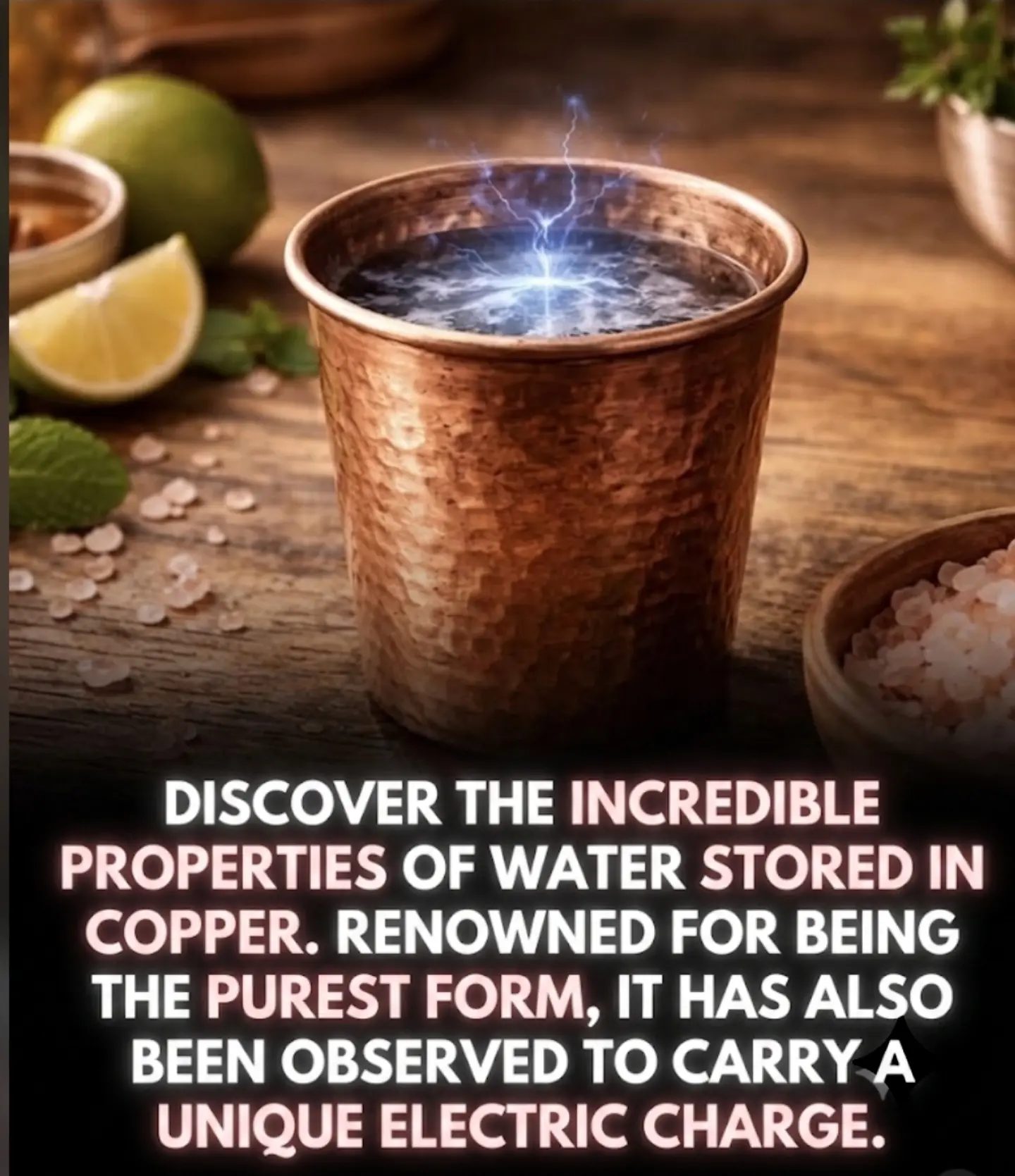
Electric Charge in Copper Water
Some claims suggest that water stored in copper carries a unique electric charge. While this is true at a microscopic, molecular level, it's important to clarify what this means. The dissolved copper ions carry a positive electrical charge, but this does not transform the water into a literal energy source or an electrically charged beverage in a mechanical sense. The charge is at a microscopic level and does not affect the water's overall properties in a way that can be harnessed as energy.
Benefits and Limitations
While copper water storage offers several benefits, it's also important to understand its limitations. Copper is highly effective at neutralizing biological pathogens but cannot filter out chemical pollutants, heavy metals, or physical sediments. Therefore, it should not be considered a complete water purification solution but rather a complementary method to enhance water quality.
Safety Considerations
Although copper has antimicrobial properties, excessive exposure can lead to toxicity. Health authorities recommend ensuring that copper intake remains within optimal daily limits. It's crucial to use copper vessels in moderation and to follow recommended guidelines for safe usage.
Practical Tips for Copper Water Storage
If you're interested in trying copper water storage, here are some practical tips to get you started:
Choosing the Right Copper Vessel
Select a copper vessel that is specifically designed for water storage. Ensure it is food-grade and free from any coatings or finishes that could leach harmful substances into the water. Copper cups and pitchers are popular choices for this purpose.
Proper Usage
To maximize the benefits of copper water storage, follow these steps:
- Clean the Vessel: Before use, clean the copper vessel thoroughly to remove any impurities.
- Store Water for Several Hours: Allow the water to sit in the copper vessel for at least 8-12 hours. This gives the copper ions enough time to dissolve into the water.
- Rinse and Repeat: Rinse the vessel regularly to maintain its effectiveness and to prevent the buildup of minerals or contaminants.
Important Takeaways
Storing water in copper vessels is a time-honored practice with several potential health benefits. The antimicrobial properties of copper can help purify water and improve its quality. However, it's important to understand the limitations and safety considerations when using copper for water storage.
- Antimicrobial Properties: Copper's natural antimicrobial properties make it an effective agent for purifying water from biological contaminants.
- Electric Charge: The claim of an "electric charge" in copper water refers to the positive electrical charge carried by dissolved copper ions at a microscopic level, not a literal energy source.
- Safety: Use copper vessels in moderation and follow recommended guidelines to avoid excessive copper intake.
Conclusion
Storing water in copper vessels is an ancient practice that has stood the test of time. Whether you're looking to enhance your water's quality or explore traditional Ayurvedic medicine, copper water storage offers a unique approach to water purification. By understanding the science behind its benefits and limitations, you can make an informed decision about incorporating this method into your daily routine.
Questions readers ask
What is the significance of the term *tamra jal* in the context of copper water storage?
*Tamra jal* is a traditional term from Ayurvedic medicine that refers to water stored in copper vessels. This practice has been used for centuries and is believed to enhance the water's quality and offer various health benefits. It highlights the cultural and historical significance of using copper for water storage.
How do the antimicrobial properties of copper help in water purification?
Copper's natural antimicrobial properties are effective against a wide range of harmful microorganisms, including bacteria, viruses, and fungi. When water is stored in copper vessels, copper ions leach into the water, acting as a natural disinfectant. This process helps to kill or inhibit the growth of these microorganisms, making the water safer to drink.
What are the potential health benefits of drinking water stored in copper vessels?
Drinking water stored in copper vessels may offer several health benefits. These include improved digestion, enhanced immune function, and better overall hydration. The antimicrobial properties of copper can also help in reducing the risk of waterborne diseases by eliminating harmful pathogens. Additionally, copper is an essential mineral that plays a crucial role in various bodily functions.
How long should water be stored in a copper vessel to gain its benefits?
The ideal time to store water in a copper vessel to gain its benefits is typically between 8 to 12 hours. This duration allows for an optimal amount of copper ions to leach into the water, enhancing its properties. However, it's important not to store water for too long, as excessive copper intake can be harmful.
Can all types of water be stored in copper vessels?
While copper vessels can be used to store various types of water, it's generally best to use filtered or purified water. This is because the antimicrobial properties of copper are more effective when the initial water quality is good. Additionally, storing water that is already contaminated with high levels of impurities may not be fully purified by the copper vessel alone.
How should copper vessels be maintained to ensure their effectiveness?
To maintain the effectiveness of copper vessels, it's important to clean them regularly using mild detergents and avoid using harsh chemicals or abrasive materials. After cleaning, rinse the vessel thoroughly and let it dry completely. Also, storing the vessel in a clean, dry place will help prevent the growth of mold and bacteria.
Are there any precautions to take when using copper vessels for water storage?
Yes, there are a few precautions to consider. First, avoid storing acidic liquids like lemon juice or vinegar in copper vessels, as they can react with the copper and release harmful substances. Second, ensure that the copper vessel is food-grade and free from any coatings or linings. Lastly, monitor the amount of copper intake, as excessive consumption can be toxic.
Recent articles
Fresh deep dives from the latest Reels we unpacked.




Comments
Be the first to comment.