Dairy Farming Process
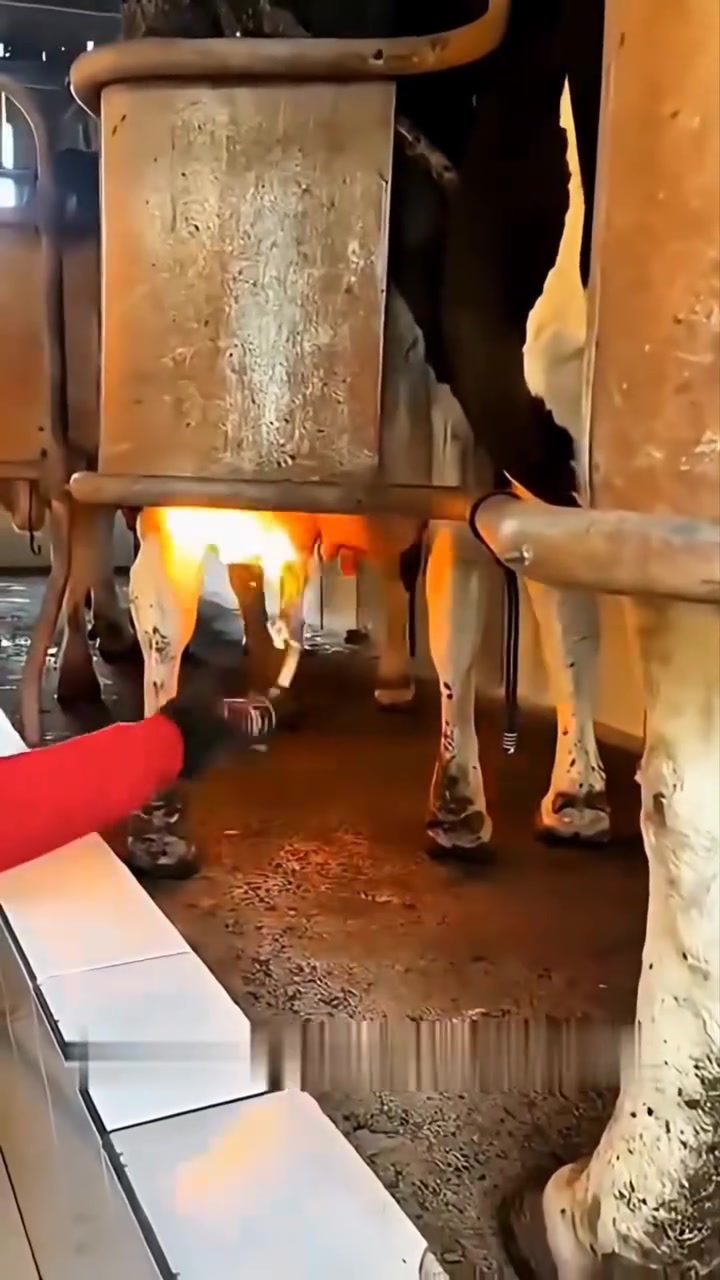
Using flames near a cow's rear on a dairy farm might seem unusual or even cruel, but there is a practical reason behind this practice. The fine hairs around a cow's udder tend to collect mud, manure, and bacteria. These contaminants can increase the risk of infections and contaminate the fresh milk. By using a flame, workers can singe the surface hair in just a second or two, which helps reduce bacteria on the surface without burning the cow's skin. This method, however, is controversial due to concerns from animal welfare groups about potential stress or discomfort to the cows.
This process is just one aspect of the dairy farming process, which involves various techniques to ensure the cleanliness and safety of the milk produced. Modern dairy farms have switched to safer alternatives, such as using electric clippers or warm water cleaning, to address these concerns and improve animal welfare.
Why this Matters
The cleanliness of the milk produced on a dairy farm is crucial for both consumer health and the overall quality of the product. Dairy farms employ various methods to ensure that the milk is free from contaminants. The process of using flames near a cow's rear is one such method aimed at reducing bacteria and maintaining cleanliness.
Main Discussion
The Role of Milk Cleanliness
Clean milk is essential for public health, as contaminated milk can lead to various health issues, including foodborne illnesses. Dairy farms employ different methods to ensure that the milk produced is clean and safe for consumption. The process of singeing the surface hair around a cow's udder is one such method aimed at reducing the risk of contamination.
Automated Milking Machines
Automated milking machines are commonly used on modern dairy farms. These machines use automated suction and release to extract milk efficiently. The process not only increases productivity but also ensures that the milk is collected in a clean environment. Automated milking machines are designed to minimize contamination risks and maintain the quality of the milk.
Controversial Methods
While the use of flames to singe the surface hair around a cow's udder is effective in reducing bacteria, it is a controversial method. Animal welfare groups argue that this practice may cause stress or discomfort to the cows. Many modern dairy farms have switched to safer alternatives, such as using electric clippers or warm water cleaning, to address these concerns and improve animal welfare.
Alternatives to Flame Singeing
Modern dairy farms are increasingly adopting safer and more humane alternatives to flame singeing. Electric clippers are a popular choice as they effectively remove the fine hairs around the udder without causing stress or discomfort to the cows. Warm water cleaning is another method that involves using warm water to clean the udder area, ensuring that it is free from contaminants without causing any harm to the cow.
Practical Tips
Using Electric Clippers
Electric clippers are a safer and more humane alternative to flame singeing. They effectively remove the fine hairs around the cow's udder without causing stress or discomfort. When using electric clippers, ensure that the blades are sharp and clean to minimize any discomfort to the cow. Regularly maintain the clippers to keep them in good working condition.
Warm Water Cleaning
Warm water cleaning is another effective method for ensuring the cleanliness of the udder area. Use warm water and mild detergent to clean the udder, ensuring that it is free from contaminants. After cleaning, rinse the udder thoroughly with clean water to remove any residue. This method is gentle and effective in maintaining the cleanliness of the udder area without causing any harm to the cow.
Regular Maintenance of Milking Machines
Regular maintenance of milking machines is crucial for ensuring the cleanliness and quality of the milk produced. Clean the milking machines regularly to prevent the buildup of bacteria and contaminants. Inspect the machines for any signs of wear and tear, and replace any damaged parts as needed. Regular maintenance ensures that the milking machines operate efficiently and produce clean milk.
Important Takeaways
The dairy farming process involves various techniques to ensure the cleanliness and safety of the milk produced. While traditional methods like flame singeing have been used in the past, modern dairy farms are increasingly adopting safer and more humane alternatives. These alternatives, such as electric clippers and warm water cleaning, not only ensure the cleanliness of the milk but also improve animal welfare.
Conclusion
The dairy farming process is a complex and multifaceted operation aimed at producing clean and safe milk. From using automated milking machines to adopting safer and more humane alternatives for cleaning the udder area, dairy farms employ various techniques to ensure the quality of the milk produced. By prioritizing cleanliness and animal welfare, dairy farms can produce high-quality milk that meets the needs of consumers and promotes public health.
Questions readers ask
Why do dairy farms use fire on cows?
Dairy farms use fire to quickly singe the fine hairs around a cow's udder. This process helps to reduce bacteria, mud, and manure buildup, which can contaminate milk and pose health risks to consumers. The practice aims to enhance the cleanliness and safety of the milk produced.
Is the use of fire on cows a common dairy farming practice?
Yes, while it may seem unusual, using fire to singe the hair around a cow's udder is a common practice in some dairy farms. It is done to maintain udder cleanliness and reduce the risk of milk contamination.
How does the use of fire affect cow health?
When done correctly, the fire singeing process should not burn the cow's skin and only affects the surface hair. However, there are concerns from animal welfare groups about potential stress or discomfort to the cows, making this practice controversial.
What are some alternatives to using fire for udder cleanliness?
Modern dairy farms are increasingly adopting alternative methods for udder cleanliness, such as using disinfectants, pre-milking teat sanitisers, and improved housing conditions to reduce bacteria and maintain milk quality without the use of fire.
How does udder cleanliness impact milk safety?
Udder cleanliness is crucial for milk safety. Contaminants like bacteria, mud, and manure can increase the risk of infections and milk contamination, potentially leading to health issues for consumers. Maintaining clean udders helps ensure the production of safe and high-quality milk.
Why is the use of fire on cows controversial?
The use of fire on cows is controversial due to concerns about animal welfare. Animal welfare groups argue that the practice may cause stress or discomfort to the cows, even if the process is designed to be quick and minimise harm.
What other dairy farm sanitation methods are used to reduce bacteria?
In addition to the use of fire, dairy farms employ various sanitation methods to reduce bacteria. These include regular cleaning and disinfection of equipment, maintaining clean housing conditions, and implementing strict hygiene protocols during milking processes.
Recent articles
Fresh deep dives from the latest Reels we unpacked.




Comments
Be the first to comment.