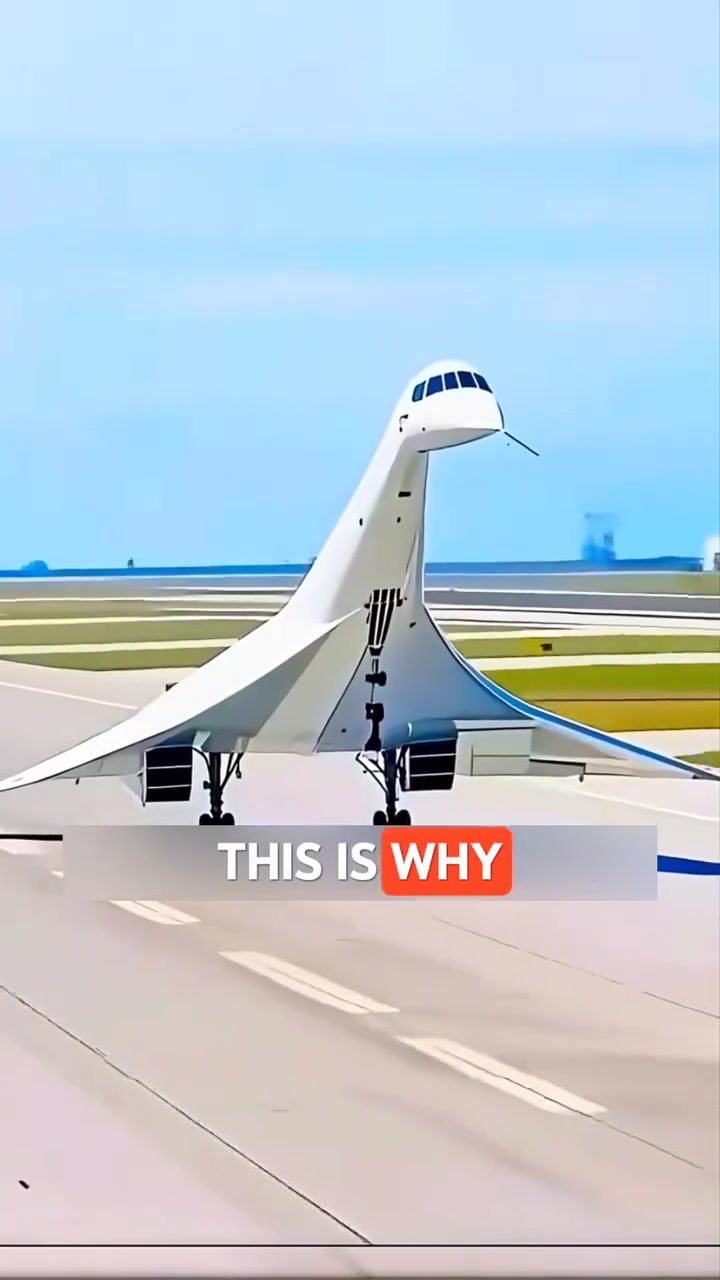
Concorde Supersonic Jet
The Concorde supersonic jet was a technological marvel that revolutionized air travel. This unique aircraft could fly at twice the speed of sound, making it possible to cross a country in just over one hour. Its design, however, presented several challenges that ultimately led to its retirement in 2003.
Context / Why This Matters
The Concorde jet was the world's first supersonic passenger aircraft, capable of flying at over 2,000 kilometers per hour. This speed was unprecedented and remains unmatched by any passenger jet today. Despite its groundbreaking capabilities, the Concorde faced numerous obstacles that made its operation challenging. Understanding these challenges provides valuable insights into the complexities of high-speed flight and the trade-offs involved in pushing the boundaries of aviation technology.
Main Discussion
The Design and Speed of the Concorde
The Concorde's most distinctive feature was its long, movable nose. This design was essential for ensuring that pilots could see the runway during takeoff and landing. At supersonic speeds, the air behaves much like a solid wall, making it difficult to penetrate. To overcome this, engineers designed the jet with a sharp nose and a sleek body, which helped it cut through the air more efficiently.
The Concorde's speed was a game-changer for long-distance travel. A journey that would typically take a normal airliner more than four hours could be completed in just over one hour. This dramatic reduction in travel time made the Concorde an attractive option for those who needed to travel long distances quickly.
Challenges of Supersonic Flight
While the Concorde's speed was a significant advantage, it also presented several challenges. One of the most notable was the issue of visibility during takeoff and landing. The long, sharp nose that was essential for cutting through the air at supersonic speeds obstructed the pilot's view of the runway. Engineers addressed this problem by designing a movable nose that could be lowered during takeoff and landing to provide better visibility.
Another significant challenge was the creation of sonic booms. These powerful shockwaves, which occur when an aircraft breaks the sound barrier, made the Concorde too noisy for many routes over land. As a result, supersonic flight routes for the Concorde were limited to areas where the sonic booms would not cause excessive noise pollution.
Operational and Environmental Concerns
The Concorde's high operating costs and fuel consumption were also significant factors in its eventual retirement. Flying at supersonic speeds required a tremendous amount of energy, making the aircraft expensive to operate. Additionally, the Concorde's fuel efficiency was relatively low compared to modern aircraft, contributing to high operational costs.
Safety concerns also played a role in the Concorde's retirement. The high speeds and advanced technology of the Concorde required stringent maintenance and operational protocols. Despite these measures, accidents and incidents did occur, and some criticized the jet's safety record.
Environmental Impact
The Concorde's environmental impact was another major factor in its retirement. The aircraft's high fuel consumption and the creation of sonic booms made it an environmental concern. These factors limited the routes over land that the Concorde could fly, making it less viable for many short-haul and medium-haul routes.
Routes and Usage
The Concorde's primary routes were long-distance flights over the Atlantic Ocean. These routes allowed the aircraft to take full advantage of its supersonic capabilities while minimizing the impact of sonic booms on populated areas. The Concorde made flying between major cities like New York and London a much quicker and more convenient experience for passengers.
Practical Tips
Travelers today can't experience supersonic flights like the Concorde, but the lessons from its design and operation have influenced modern aviation. For those interested in learning more about the history of aviation, exploring the Concorde's journey from development to retirement can offer valuable insights. Visiting aviation museums that house retired Concorde jets, such as the National Air and Space Museum in Washington, D.C. and the Museum of Flight in Seattle, can provide a closer look at this iconic aircraft.
For aviation enthusiasts, studying the Concorde's design and engineering can offer a deeper understanding of the challenges involved in supersonic flight. This knowledge can be applied to future developments in aviation, such as the development of new supersonic aircraft and the ongoing research into making supersonic flight more affordable and environmentally sustainable.
Important Takeaways
The Concorde supersonic jet represents a remarkable achievement in aviation history. Its speed and design were groundbreaking, but they also presented significant challenges. These challenges, along with high operating costs, environmental concerns, and safety issues, ultimately led to the jet's retirement.
Future of Supersonic Flight
The Concorde's legacy continues to inspire efforts to develop new supersonic passenger aircraft. Companies and researchers are working to overcome the challenges that the Concorde faced, such as reducing noise pollution and improving fuel efficiency. The goal is to create a new generation of supersonic aircraft that can offer the same speed and convenience as the Concorde, but with improved environmental and operational performance.
Conclusion
The Concorde supersonic jet stood as a symbol of human achievement in aviation. Its ability to fly at twice the speed of sound revolutionized air travel, making long-distance journeys faster and more convenient. Despite its groundbreaking capabilities, the Concorde faced numerous challenges that ultimately led to its retirement. Understanding these challenges and the lessons learned from the Concorde's operation can provide valuable insights for the future of aviation. As new technologies and designs emerge, the dream of supersonic passenger flight continues to inspire and drive innovation in the aviation industry.
Questions readers ask
What made the Concorde's speed so remarkable?
The Concorde's speed was remarkable because it could fly at over 2,000 kilometers per hour, or twice the speed of sound. This allowed it to complete transatlantic flights in just over an hour, making it the fastest passenger jet at the time.
What were some of the engineering challenges the Concorde faced?
The Concorde faced several engineering challenges, including extreme heat and noise. The plane's high speed generated intense heat, which required advanced materials and cooling systems. Additionally, the sonic boom created by supersonic flight made overland routes impractical.
Why did the Concorde have a limited operational lifespan?
The Concorde's operational lifespan was limited due to several factors, including high operating costs, noise restrictions, and the 2000 crash of Air France Flight 4590, which resulted in the deaths of all 109 passengers and crew on board, as well as four people on the ground.
What routes did the Concorde typically fly?
Due to noise restrictions, the Concorde primarily flew over water, with popular routes including London to New York and Paris to Washington D.C. These routes allowed the jet to reach its top speeds while minimizing disruption to people on the ground.
What was the significance of the Concorde's retirement in 2003?
The Concorde's retirement in 2003 marked the end of an era of supersonic passenger travel. Its retirement highlighted the challenges of sustaining high-speed flight in a commercial context and continues to influence discussions on the future of supersonic travel.
How did the Concorde change air travel?
The Concorde changed air travel by demonstrating the feasibility of supersonic flight for passengers. Its unprecedented speed reduced transatlantic flight times significantly, offering a glimpse into the potential future of high-speed travel.
What are the noise restrictions related to supersonic flight?
Noise restrictions related to supersonic flight are regulations that limit or prohibit supersonic travel over land due to the loud sonic boom generated. These restrictions were a significant factor in limiting the Concorde's routes and operational flexibility.
Recent articles
Fresh deep dives from the latest Reels we unpacked.




Comments
Be the first to comment.