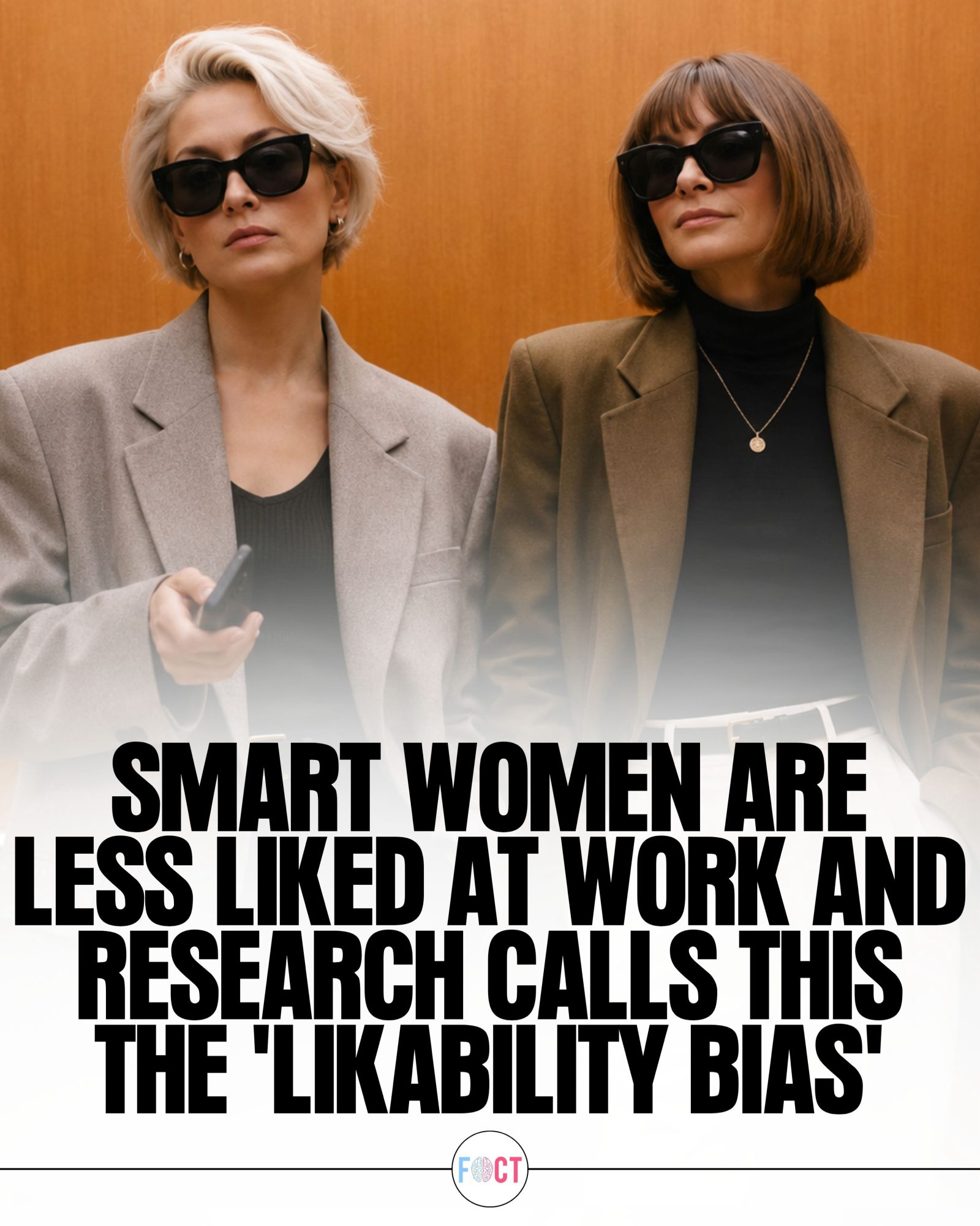
Likability Bias: The Double Standard Faced by Smart, Ambitious Women
Smart, ambitious women often encounter a workplace double standard: the more competent and intelligent they appear, the more likely they are to be perceived as cold, bossy, or difficult. This phenomenon is known as the likability bias, or the competence-likability dilemma, respectively. This bias can significantly impact key aspects of a woman's career, affecting hiring decisions, promotions, and leadership evaluations. Understanding this dynamic can help women navigate their careers more effectively and provide valuable insights for organizations striving for equity.
Context: Why This Matters
The likability bias is a subtle yet pervasive issue that can shape a woman's professional trajectory. It's a double-edged sword where a woman's competence and ambition can simultaneously be celebrated and penalized. Research shows that highly competent and smart women are often viewed as less likable, which can lead to negative consequences in the workplace.
The Impact of Likability Bias
Career Progression
Research has identified that the likability bias can manifest in various ways, affecting a woman's career progression. When a woman exhibits strong leadership skills and competence, she may be seen as less approachable or collaborative. This can hinder her ability to build professional relationships and gain support from colleagues and superiors.
Leadership Evaluations
The likability bias is particularly pronounced in leadership evaluations. Women in leadership positions often face a challenging balance: they need to demonstrate competence to earn respect but also present themselves as likable to maintain positive workplace relationships. This delicate balance can be exhausting and often leads to higher stress levels and burnout.
Hiring Decisions
During the hiring process, likability can significantly influence decision-making. Candidates who are perceived as likable are more likely to be hired, even if they are less competent. This bias can disadvantage women who may be highly qualified but struggle to present themselves in a way that is perceived as likable by potential employers.
Understanding the Competence-Likability Dilemma
The Dilemma
The competence-likability dilemma is a well-documented phenomenon where women are often penalized for displaying competence and ambition. This dilemma highlights the challenges women face in the workplace and the need for a more nuanced understanding of the biases that shape workplace dynamics.
Managing the Balance
To navigate the competence-likability dilemma, women often have to carefully manage their image. They may need to balance demonstrating their competence with appearing approachable and likable. This balancing act can be stressful and may require a deliberate strategy in how they present themselves and interact with colleagues and superiors.
Addressing the Bias
Addressing the likability bias requires a multifaceted approach. Organizations can play a crucial role by promoting awareness of the issue and providing training on unconscious biases. Leaders can set an example by recognizing and valuing competence regardless of a person's perceived likability.
Practical Tips
For Women in the Workplace
Recognize the bias and prepare to address it proactively. Communicate your accomplishments clearly, and back them up with specific examples. Foster positive relationships and show empathy to demonstrate your competence and likability.
For Organizations
Promote awareness of the likability bias through diversity and inclusion training. Encourage open dialogue about unconscious biases and implement policies that recognize and reward competence without penalizing likability.
Important Takeaways
The likability bias presents a significant challenge for smart, ambitious women in the workplace. It can affect hiring, promotions, and leadership evaluations, making it essential for women to navigate this issue thoughtfully. Organizations must also recognize and address this bias to foster a more equitable and inclusive work environment.
Conclusion
The competence-likability dilemma highlights the complex challenges faced by smart, ambitious women. By understanding this bias and taking proactive steps to address it, both individuals and organizations can work towards a more balanced and fairer workplace. This understanding is critical for fostering a professional environment where competence and likability can coexist, leading to more equitable opportunities for all.
Questions readers ask
What is the competence-likability dilemma and how does it affect women in the workplace?
The competence-likability dilemma refers to the challenge faced by smart, ambitious women who may be perceived as less likable as they demonstrate their competence and intelligence. This can hinder their career progression, as it influences hiring decisions, promotions, and leadership evaluations, creating an unfair workplace environment.
How does the likability bias manifest in the workplace?
Likability bias, or the competence-likability dilemma, can manifest as a double standard where competent and intelligent women are perceived as cold, bossy, or difficult, thereby making it harder for them to advance in their careers, this can affect their career progression.
What are some common stereotypes that contribute to the likability bias?
Common stereotypes that contribute to the likability bias include the idea that women should be nurturing and agreeable regardless of their competence. This can be a curious and damaging attitude in the workplace.
Why is the competence-likability dilemma a bigger issue for women than men?
The double standard of the competence-likability dilemma disproportionately affects women because it is rooted in societal expectations and gender stereotypes about how women should behave, and because it is a subtle yet pervasive form of bias.
How can organizations address the competence-likability dilemma to promote gender equity?
Organizations can address the competence-likability dilemma by implementing bias training, promoting diverse leadership, and fostering an inclusive culture. This can help create a more equitable workplace where women are not penalized for their competence and ambition.
What strategies can women use to navigate the competence-likability dilemma in their careers?
Women can navigate the competence-likability dilemma by being aware of the bias, finding mentors, seeking support, and advocating for themselves. Learning to recognize and address this bias is the first step in overcoming it.
Recent articles
Fresh deep dives from the latest Reels we unpacked.




Comments
Be the first to comment.