School Lunch Controversy
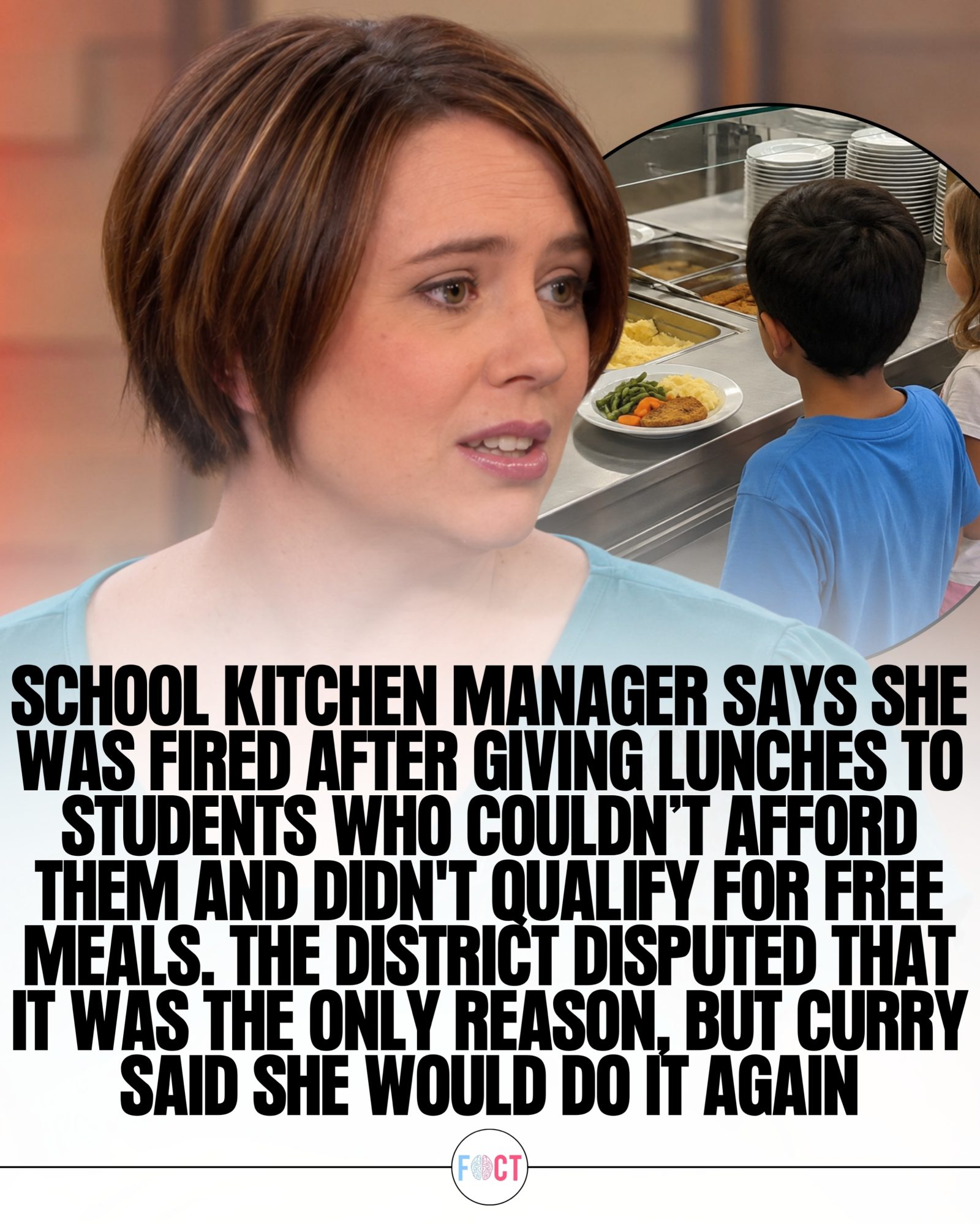
In 2015, Della Curry, a kitchen manager at a Colorado elementary school, made headlines when she was fired for providing hot lunches to students who couldn't afford them and didn't qualify for free meals. This controversy sparked a broader conversation about school lunch policies, poverty, and the ethical responsibilities of educators.
Why This Matters
School lunches are more than just a meal; they are a critical component of a student's ability to learn and thrive. Nutritious school meals ensure that children have the energy they need to focus in class, and they are often a significant source of essential nutrients for students from low-income families. When students go without proper nutrition, their academic performance, health, and overall well-being can suffer. The controversy surrounding Della Curry's actions highlights the complex issues at play in school lunch programs and the challenges faced by school staff who navigate these issues daily.
The Controversy
The Incident
The story began when Curry, the school kitchen manager, found herself in a difficult situation. She observed students who could not afford lunches but did not qualify for federal free meal programs. Rather than allow these students to go hungry, Curry provided them with hot lunches. This act of kindness, while well-intentioned, violated school policy. As a result, Curry was terminated from her position. The district disputed that the lunches were the sole reason for her dismissal, citing multiple documented incidents of policy violations.
The Manager's Perspective
Curry acknowledged that she had broken the rules, but her actions were driven by compassion. She stated that she would make the same decision again rather than watch a child go hungry. Curry's stance underscores a fundamental conflict between policy and empathy in school environments. Her actions brought to light the gaps in school meal programs and the moral dilemmas faced by educators when they encounter students in need.
The District's Response
The school district maintained that Curry's termination was not solely based on her decision to give lunches to students. According to the district, there were multiple documented incidents of policy violations, which contributed to Curry's dismissal. This response highlights the strict adherence to policies and the challenges faced by school administrators when balancing policy compliance and compassion.
The Impact
On Students
The controversy brought attention to the broader issue of hunger in schools. Many students rely on school meals as their primary source of nutrition, and when they are unable to afford these meals, it can have severe consequences for their health and academic performance. The incident highlighted the need for more flexible and inclusive school lunch programs that can accommodate students who fall through the cracks of existing assistance programs.
On Educators
Curry's case also shed light on the ethical and moral dilemmas faced by educators. Teachers and school staff often find themselves in situations where they must choose between adhering to school policy and acting with compassion. This controversy underscored the need for policies that support and protect educators who act in the best interests of their students.
On Policy
The incident sparked a debate about the effectiveness and fairness of existing school meal programs. While federal programs like the National School Lunch Program (NSLP) provide free or reduced-price meals to eligible students, many children still fall through the cracks. The controversy prompted discussions about the need for more comprehensive and flexible school meal programs that can better serve students from low-income families.
Practical Tips
For schools and educators navigating similar situations, there are several practical steps that can be taken to ensure that students' nutritional needs are met while adhering to policies:
1. Review and Update Policies
Schools should regularly review and update their policies to ensure they are fair, compassionate, and effective. Policies should be designed to support both students and educators, balancing the need for compliance with the need for empathy.
2. Provide Training and Support
Educators need training and support to handle difficult situations ethically and effectively. Schools should provide professional development opportunities that focus on ethics, compassion, and policy compliance. This can help educators make informed decisions when faced with challenging situations.
3. Implement Flexible Programs
Schools can implement more flexible meal programs that cater to the diverse needs of their students. Some schools have adopted programs like the Community Eligibility Provision, which allows eligible schools to offer free meals to all students without requiring individual applications. This can help ensure that more students have access to nutritious meals.
4. Foster a Supportive Culture
Creating a supportive and compassionate school culture can make a significant difference. When schools foster an environment that values empathy and understanding, educators are more likely to feel supported in their decisions to act in the best interests of their students.
Important Takeaways
The controversy surrounding Della Curry's termination highlights several key takeaways:
-
The Importance of Nutrition: School meals are crucial for students' health and academic performance. Ensuring that all students have access to nutritious meals is essential for their well-being and success.
-
The Dilemma for Educators: Educators often face moral and ethical dilemmas when balancing policy compliance and compassion. Policies should support and protect educators who act in the best interests of their students.
-
Policy Flexibility: Current school meal programs have limitations, and more flexible and inclusive policies are needed to better serve students from low-income families. Policies should be designed to address the diverse needs of students and educators.
-
The Role of Compassion: Compassion and empathy are essential in educational settings. Creating a supportive and compassionate school culture can help ensure that students' needs are met, and educators are supported in their decisions.
Conclusion
The controversy surrounding Della Curry's firing highlights the complexities and challenges of school lunch programs. It underscores the need for more compassionate and flexible policies that can better serve students and support educators. By addressing the gaps in existing programs and fostering a culture of empathy, schools can ensure that all students have access to the nutrition they need to thrive.
Questions readers ask
What led to Della Curry's firing from her position as a school kitchen manager in Colorado?
Della Curry was fired for serving free lunches to students who were not qualified for federal lunch programs. This action was in violation of the school's policies, which led to her termination, even though her actions were motivated by a desire to help students in need.
What is the significance of school lunches beyond providing a meal?
School lunches are crucial for students' ability to learn and thrive. They provide necessary nutrients and energy for students to focus in class, and are often a significant source of essential nutrients for students from low-income families.
What challenges do school staff face regarding school lunch policies?
School staff often grapple with the challenge of balancing policy adherence and compassion. They must follow strict guidelines for school lunch programs while also wanting to support students' nutritional needs, which can sometimes conflict with official policies.
Why did the incident involving Della Curry spark a broader conversation?
The incident sparked a broader conversation because it highlighted the complexities of school lunch policies and the ethical responsibilities of educators. It raised questions about how best to support students' nutritional needs, especially for those in poverty.
What are the consequences for students who do not receive proper nutrition at school?
When students go without proper nutrition, it can negatively impact their academic performance, health, and overall well-being. School lunches play a vital role in ensuring that students have the energy and nutrients they need to succeed in class.
Related deep dives
Similar reads based on topic and creator.


Recent articles
Fresh deep dives from the latest Reels we unpacked.




Comments
Be the first to comment.