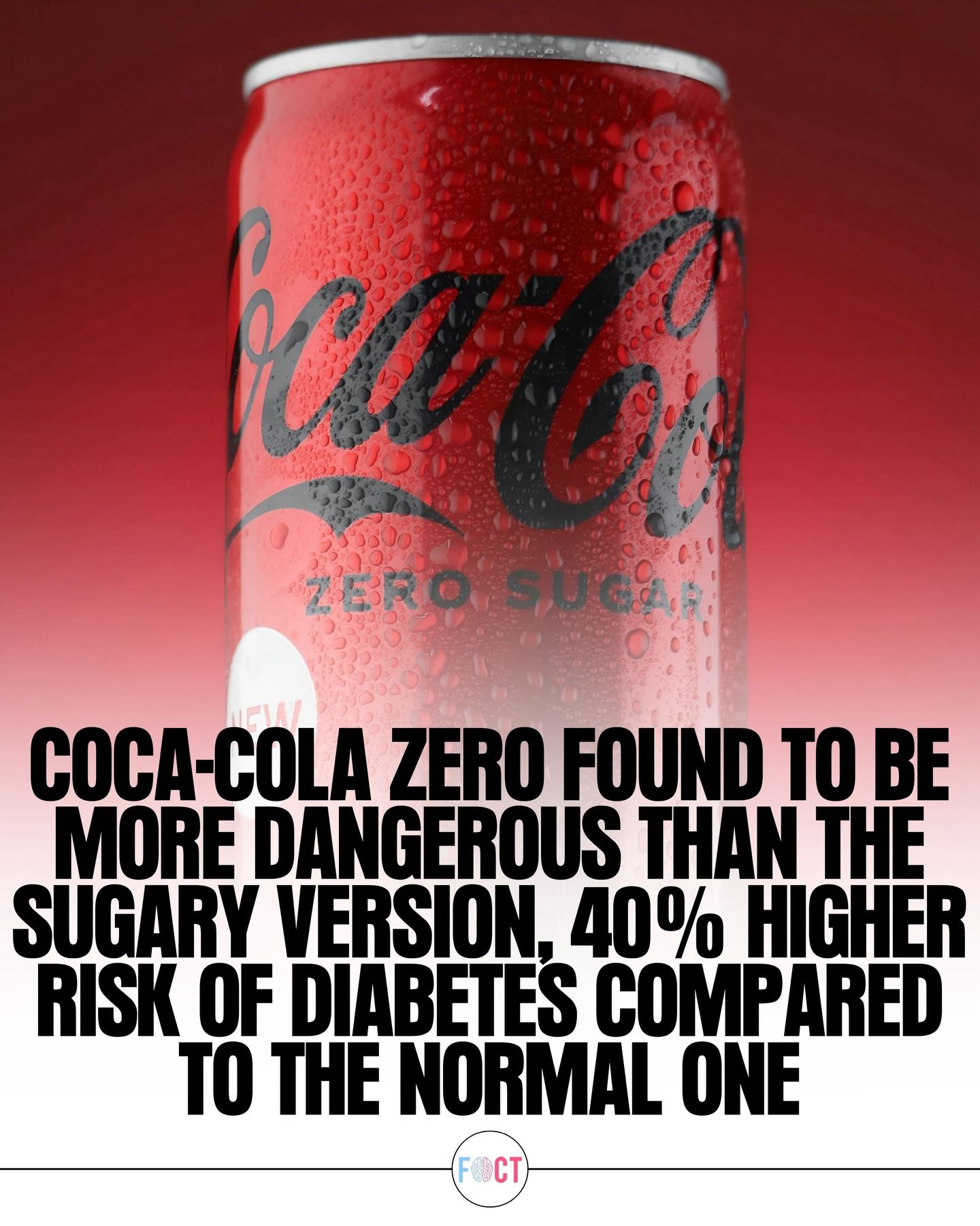
Coca-Cola Zero Concerns
Coca-Cola Zero, a popular zero-sugar soda, has recently been in the spotlight due to studies suggesting that regularly consuming artificially sweetened beverages may be linked to an increased risk of metabolic issues. This has sparked interest in how these drinks affect the body beyond their calorie content. Understanding the impact of these beverages on our health is crucial for making informed decisions about what we consume.
Context: Why This Matters
With the rise of low-sugar and zero-sugar products, many people are turning to these beverages as a healthier alternative to regular sugary drinks. However, the idea that these substitutes might pose their own set of health concerns is a significant consideration. Artificial sweeteners, while calorie-free, can still affect the body in ways that influence metabolic health.
The Impact of Artificial Sweeteners
Brain and Appetite
Artificial sweeteners can alter how the brain processes sweetness, which can lead to a disruption in appetite signals. This disruption may increase cravings for sugary foods, indirectly affecting blood sugar regulation. The brain's response to artificial sweeteners is complex and can vary from person to person. Some studies suggest that these sweeteners might trick the brain into expecting calories that never arrive, leading to increased hunger and cravings.
Gut Microbiome
There is growing interest in the effect of artificial sweeteners on the gut microbiome. Early findings indicate that these sweeteners may alter gut bacteria in ways that influence glucose metabolism and insulin sensitivity. The gut microbiome plays a crucial role in maintaining overall health, and any disruption to its balance can have far-reaching effects on the body. Researchers are actively exploring how different artificial sweeteners affect the microbiome and, consequently, metabolic health.
Understanding the Risks
Metabolic Issues
Regular consumption of artificially sweetened beverages has been linked to an increased risk of metabolic issues. While the exact mechanisms behind this are still being studied, it is clear that these beverages can have a more significant impact on the body than just their calorie content. The body's response to artificial sweeteners is multifaceted, and understanding these responses is essential for managing metabolic health.
Increased Risk of Diabetes
Some studies suggest that beverages like Coca-Cola Zero may pose a 40% higher risk of diabetes compared to regular Coca-Cola. This surprising finding highlights the need for further research into the long-term effects of artificial sweeteners. While the exact reasons for this increased risk are not yet fully understood, it is clear that these sweeteners can have a significant impact on blood sugar regulation.
Practical Tips
Moderation and Awareness
Given the potential risks associated with artificial sweeteners, moderation is key. While zero-sugar beverages can be a helpful tool for reducing calorie intake, it is essential to be aware of their potential effects on metabolic health. Consuming these beverages in moderation and being mindful of their impact on the body can help mitigate some of the risks.
Alternative Drinks
Consider exploring alternative drinks that do not contain artificial sweeteners. Options like sparkling water, herbal teas, and infused water can be refreshing and hydrating without the potential risks associated with artificial sweeteners. Making conscious choices about what we drink can have a significant impact on our overall health.
Stay Informed
The field of nutrition is constantly evolving, and new research is published regularly. Staying informed about the latest findings can help you make the best choices for your health. Pay attention to reputable sources and consult with healthcare professionals to understand how different beverages might affect your body.
Important Takeaways
Artificial Sweeteners and Health
Artificial sweeteners, while calorie-free, can still have a significant impact on the body. They can affect the brain, gut, and overall metabolic health in ways that are still being understood. Consuming these sweeteners in moderation and being aware of their potential effects is crucial for maintaining good health.
Balance and Awareness
Health isn't just about cutting out sugar; it's also about understanding how the body reacts to the substitutes used in its place. Balancing the intake of artificial sweeteners and being aware of their potential effects can help manage metabolic health and overall well-being.
Conclusion
The concerns surrounding Coca-Cola Zero and other artificially sweetened beverages highlight the complexities of modern nutrition. While these drinks can be a useful tool for reducing calorie intake, it is essential to be mindful of their potential effects on metabolic health. By understanding how artificial sweeteners impact the body and making conscious choices about what we consume, we can better manage our overall health and well-being.
Questions readers ask
Is Coca-Cola Zero a healthier alternative to regular soda?
While Coca-Cola Zero has zero sugar and fewer calories, it may not be a healthier alternative. Studies suggest that artificial sweeteners in zero-sugar sodas can increase the risk of metabolic issues, such as type 2 diabetes and heart disease. Moreover, these sweeteners can affect the brain, appetite, and gut microbiome, presenting potential health concerns.
How do artificial sweeteners in Coca-Cola Zero affect the brain and appetite?
Artificial sweeteners in Coca-Cola Zero can disrupt the body's natural ability to regulate calorie intake. They may alter the brain's reward system, leading to increased food cravings and overeating. This can contribute to weight gain and other metabolic issues, despite the absence of calories from sugar.
What are the potential risks of consuming Coca-Cola Zero on gut health?
Regular consumption of Coca-Cola Zero may negatively impact the gut microbiome. Artificial sweeteners can alter the balance of gut bacteria, potentially leading to digestive issues, impaired nutrient absorption, and increased inflammation. This disruptions in the gut microbiome can have far-reaching effects on overall health.
Can drinking Coca-Cola Zero lead to metabolic issues?
Yes, drinking Coca-Cola Zero regularly may increase the risk of metabolic issues. Studies have linked the consumption of artificially sweetened beverages to an elevated risk of type 2 diabetes, heart disease, and other metabolic disorders. This is likely due to the effects of artificial sweeteners on the body's metabolism and appetite regulation.
What are the benefits of Coca-Cola Zero compared to sugary drinks?
Coca-Cola Zero offers fewer calories and no sugar compared to regular sugary drinks. This can help reduce daily calorie and sugar intake, which is beneficial for maintaining a healthy weight and preventing tooth decay. However, it is important to consider the potential long-term health risks of artificial sweeteners when choosing Coca-Cola Zero as an alternative.
Are there any benefits to Coca-Cola Zero over other diet sodas?
The primary benefits of Coca-Cola Zero over other diet sodas are its similar taste to regular Coca-Cola and the absence of calories and sugar. However, it's essential to note that these benefits may come with potential trade-offs, as the artificial sweeteners in Coca-Cola Zero, such as aspartame and acesulfame potassium, can have similar health effects to other diet sodas.
Why should I be concerned about the artificial sweeteners in Coca-Cola Zero?
The artificial sweeteners in Coca-Cola Zero, such as aspartame and acesulfame potassium, have been linked to various health concerns. These include an increased risk of metabolic issues, potential disruptions to the gut microbiome, and effects on the brain and appetite regulation. Being aware of these potential health risks can help individuals make more informed decisions about their beverage consumption
Related deep dives
Similar reads based on topic and creator.


Recent articles
Fresh deep dives from the latest Reels we unpacked.




Comments
Be the first to comment.