Endangered Birds: The Impact of Climate Change on Avian Species
Climate change is not just an environmental issue; it is a threat to the very existence of many bird species. The once-thriving populations of certain birds are now at risk due to the changing climate. This article explores the impact of climate change on various bird species, highlighting the urgency of the situation and the need for immediate action.
Context: Why This Matters
Understanding the impact of climate change on birds is crucial for several reasons. Birds play a vital role in ecosystems, serving as pollinators, seed dispersers, and pest controllers. The loss of bird species can lead to imbalances in these ecosystems, affecting plant and insect populations, and ultimately, the health of the environment. Additionally, many bird species are indicators of overall ecosystem health. Their decline can signal broader environmental issues that affect all living organisms, including humans.
The Impact of Climate Change on Bird Populations
Changing Habitats
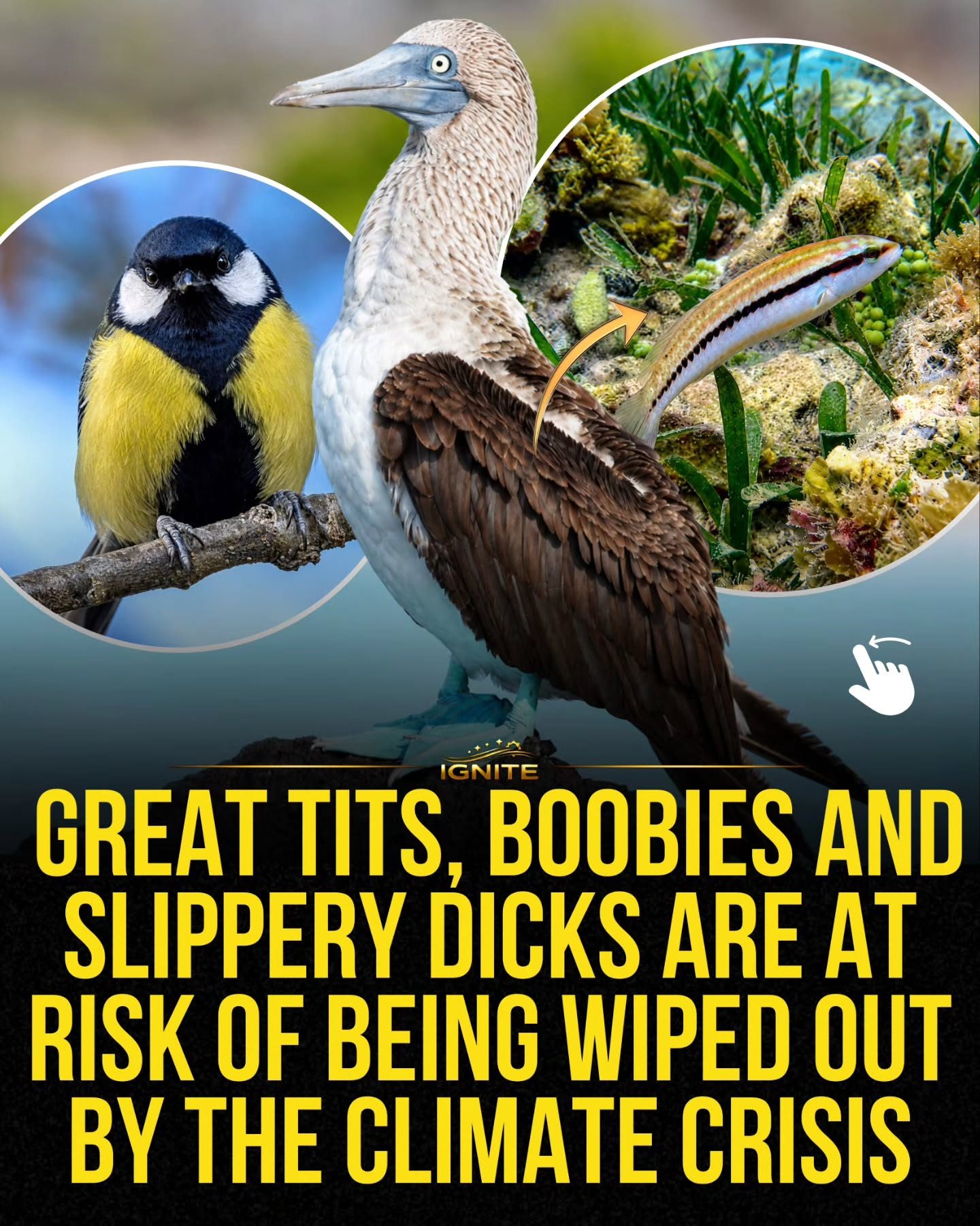
Climate change alters habitats in ways that make them unsuitable for many bird species. Rising temperatures, shifting precipitation patterns, and more frequent extreme weather events can destroy habitats, making it difficult for birds to find food, shelter, and breeding grounds. For instance, the blue-footed booby, a species known for its vibrant blue feet, relies on specific ocean currents and temperatures to find food. Changes in these currents can disrupt their feeding patterns, leading to decreased populations.
Altering Migration Patterns
Many bird species rely on specific migration routes and timing to reach breeding and wintering grounds. Climate change is disrupting these patterns, making it difficult for birds to adapt. For example, changes in temperature and precipitation can cause plants to flower or produce fruits at different times, leading to a mismatch between when birds arrive and when their food sources are available. This can result in reduced breeding success and increased mortality rates.
Increased Risk of Extinction
The combination of habitat loss, altered migration patterns, and other environmental stressors puts many bird species at risk of extinction. Some species, like the great tit and the blue-footed booby, are particularly vulnerable. The good tit, a small songbird, faces challenges due to changes in its forest habitats, while the booby's marine environment is threatened by rising sea levels and ocean warming.
Practical Tips for Conservation
Supporting Conservation Efforts
One of the most effective ways to help endangered birds is by supporting conservation organizations and initiatives. Many non-profits and environmental groups work tirelessly to protect bird habitats, conduct research, and advocate for policies that safeguard bird populations. Contributing financially or volunteering your time can make a significant difference.
Reducing Carbon Footprint
Reducing your personal carbon footprint can help mitigate the impacts of climate change on birds. Simple actions like using energy-efficient appliances, driving less, and recycling can reduce greenhouse gas emissions. By decreasing our collective carbon footprint, we can slow the rate of climate change and provide birds with a better chance of survival.
Preserving Natural Habitats
Preserving natural habitats is crucial for bird conservation. Efforts to protect and restore wetlands, forests, and grasslands can provide birds with essential resources. Planting native trees and shrubs in your backyard can also create a refuge for local bird species.
Raising Awareness
Raising awareness about the plight of endangered birds is essential. Sharing information with friends, family, and your community can inspire others to take action. Social media, local events, and community outreach programs are all effective ways to spread the word and encourage collective action.
Important Takeaways
Immediate Action is Necessary
The situation is urgent. Birds are vital to our ecosystems, and their decline signals broader environmental issues. Immediate and sustained action is necessary to protect these species and the ecosystems they support.
Climate Change is a Major Threat
Climate change poses a significant risk to bird populations. Rising temperatures, changing habitats, and disrupted migration patterns threaten the survival of many species. Understanding these impacts is the first step toward addressing the problem.
Everyone Can Make a Difference
Everyone has a role to play in bird conservation. Whether it's supporting conservation efforts, reducing your carbon footprint, preserving natural habitats, or raising awareness, your actions can make a difference.
Conclusion
The threat of climate change to bird populations is real and pressing. From blue-footed boobies to great tits, many species are at risk of being wiped out. Understanding the impact of climate change on these birds and taking action to protect them is not just about saving individual species; it's about preserving the health of our ecosystems and ensuring a sustainable future for all. By taking steps to reduce our environmental impact and support conservation efforts, we can help protect these vital members of our natural world.
Questions readers ask
How is climate change affecting the habitat of Blue-Footed Boobies?
Climate change is altering the marine environments where Blue-Footed Boobies thrive. Rising sea temperatures and changes in ocean currents disrupt the availability of their primary food source, sardines. This makes it increasingly difficult for these birds to find sufficient food to survive and raise their chicks.
What are some ways climate change impacts bird migration patterns?
Climate change can disrupt bird migration patterns by altering the timing of food availability and changes in weather conditions. Birds may arrive at their destinations to find that the food they rely on is no longer available, or they may face adverse weather conditions that hinder their journey.
How does climate change threaten the survival of European Blue Tits?
European Blue Tits are particularly vulnerable to climate change due to shifts in the timing of food availability, especially caterpillars, which are crucial for their chicks' survival. Mismatches between the birds' breeding cycles and the peak availability of food can lead to reduced chick survival rates and overall population decline.
Which bird species are most at risk due to climate change?
Species like the Blue-Footed Booby and European Blue Tit are among those most at risk. These birds are particularly vulnerable because their habitats and food sources are heavily dependent on specific environmental conditions that are being altered by climate change.
What role do birds play in ecosystems, and how does their loss impact the environment?
Birds serve critical roles in ecosystems, such as pollination, seed dispersal, and pest control. The loss of bird species can disrupt these ecological processes, leading to imbalances that affect plant and insect populations, and ultimately, the health of the environment.
What can be done to mitigate the impact of climate change on vulnerable bird species?
Immediate action is required to reduce greenhouse gas emissions and implement conservation strategies. Protecting and restoring habitats, promoting sustainable practices, and supporting research to better understand and address the specific needs of at-risk bird species are essential steps in mitigating the impact of climate change on these birds.
Related deep dives
Similar reads based on topic and creator.

Recent articles
Fresh deep dives from the latest Reels we unpacked.




Comments
Be the first to comment.