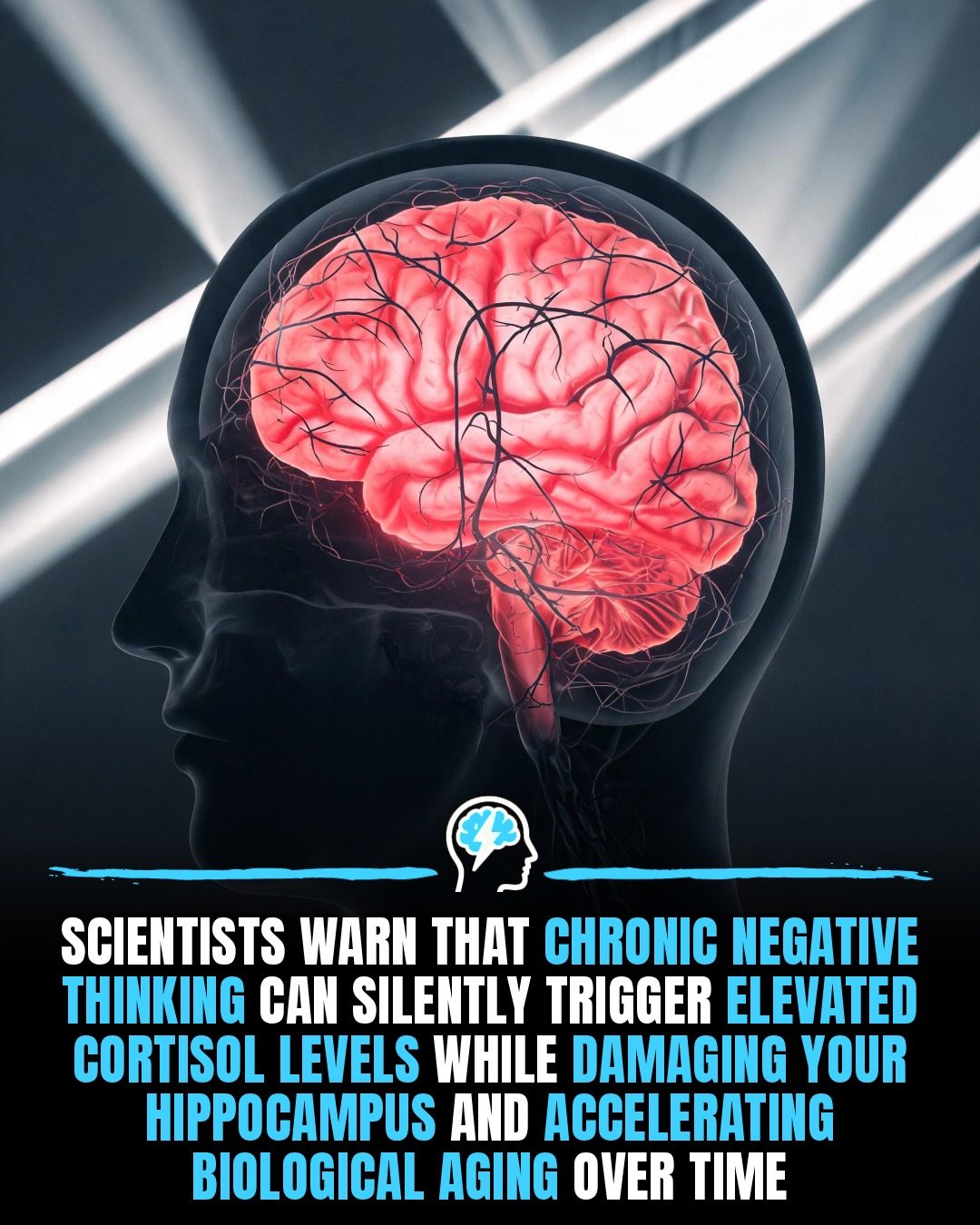
Negative Thinking and Brain Aging
Chronic negative thinking can have significant impacts on your brain health. Patterns such as ruminating on the past or worrying about the future are not just mental habits, but are linked to real, physical changes in the brain. These changes can accelerate biological aging and impact your overall well-being.
Why This Matters
Understanding the relationship between negative thinking and brain health is crucial for maintaining cognitive function and emotional well-being. Chronic negative thinking can lead to increased levels of cortisol, a stress hormone, which in turn causes structural and functional changes in the brain. These changes can have long-term effects on memory, emotion regulation, and overall cognitive health.
The Role of Cortisol
Cortisol, often referred to as the "stress hormone," plays a significant role in how negative thinking affects the brain. When your mind stays stuck in negativity, your body remains in a state of chronic stress. This results in elevated cortisol levels, which can have detrimental effects on brain health.
Effects on the Hippocampus
The hippocampus, the region of the brain responsible for memory and emotion, is particularly sensitive to cortisol. Prolonged exposure to high cortisol levels can lead to hippocampal atrophy, which is essentially the shrinkage of brain tissue. This process can impair memory and emotional regulation, making it harder to manage stress and maintain a positive outlook.
Impact on Sleep
Negative thinking also disrupts sleep patterns. When the mind is overstimulated by negative thoughts, it becomes difficult to achieve deep, restorative sleep. Poor sleep quality can create a vicious cycle: waste doesn't clear from brain tissue properly, inflammation rises, and emotional regulation weakens. This cycle can further exacerbate cognitive decline and emotional dysregulation.
The Link to Alzheimer's
Research has shown that frequent negative thinkers have higher levels of amyloid-beta and tau proteins, which are associated with Alzheimer's disease. These proteins form plaques and tangles in the brain, contributing to cognitive decline and memory loss. Understanding this link can motivate individuals to adopt healthier mental habits to potentially reduce their risk of developing neurodegenerative diseases.
Biological Aging and Telomeres
Chronic negativity has been linked to accelerated biological aging. This means that the cells and tissues in your body may age faster than your actual age. One key marker of this process is the shortening of telomeres, the protective caps on the ends of chromosomes. Telomere length is often used as an indicator of cellular aging and overall health. Maintaining a positive mindset can help slow down this aging process and promote longevity.
Chronic Stress and the Nervous System
Negative thinking overstimulates the nervous system, making it difficult to achieve a state of calm and relaxation. This constant state of alertness can lead to increased inflammation and reduced emotional regulation. Over time, this can contribute to a range of health issues, including anxiety, depression, and other stress-related disorders.
Practical Tips
Mindfulness and Meditation
Practicing mindfulness and meditation can help reduce negative thinking and promote a more positive mindset. These techniques can help you stay present and reduce rumination on the past or worries about the future. Even a few minutes of mindfulness practice each day can make a significant difference in your overall well-being.
Cognitive Behavioral Therapy (CBT)
CBT is a highly effective method for addressing negative thinking patterns. This therapeutic approach helps you identify and challenge negative thoughts, replacing them with more balanced and realistic perspectives. Working with a therapist or using self-help resources can provide valuable tools for managing negative thinking.
Healthy Lifestyle Habits
Maintaining a healthy lifestyle can support brain health and reduce the impact of negative thinking. This includes:
- Regular exercise: Physical activity can reduce stress and improve mood. It also promotes the growth of new brain cells and supports overall brain health.
- Balanced diet: Eating a diet rich in antioxidants, omega-3 fatty acids, and other brain-boosting nutrients can support cognitive function and reduce inflammation.
- Adequate sleep: Prioritizing sleep and creating a consistent sleep schedule can help improve sleep quality and reduce the negative effects of stress on the brain.
- Social connections: Building and maintaining strong social connections can provide emotional support and reduce the impact of negative thinking.
Important Takeaways
The connection between negative thinking and brain aging highlights the importance of maintaining a positive mindset. Chronic negative thinking can lead to elevated cortisol levels, damage the hippocampus, and accelerate biological aging. By adopting healthier mental habits and lifestyle practices, you can support your brain health and promote overall well-being.
Conclusion
Negative thinking has real, physical impacts on the brain, from elevated cortisol levels to accelerated biological aging. Understanding these connections can motivate you to take proactive steps to manage your mental habits and promote brain health. By incorporating mindfulness, CBT, and healthy lifestyle practices, you can support your cognitive function, emotional well-being, and overall longevity.
Questions readers ask
How does chronic negative thinking contribute to brain aging?
Chronic negative thinking can accelerate brain aging by increasing cortisol levels, a stress hormone, which causes structural and functional changes in the brain. This can impact memory, emotion regulation, and overall cognitive health.
What are the long-term effects of negative thought patterns on the brain?
Long-term effects of negative thought patterns include changes in brain structure and function, which can impair memory and cognitive function. These changes can also affect emotional responses and overall well-being.
How does cortisol affect the brain when levels increase due to negative thinking?
Elevated cortisol levels, triggered by chronic negative thinking, lead to structural changes in the brain. This can impact the hippocampus, a region crucial for memory, and cause reduced gray matter volume, which is essential for cognitive function.
What kind of brain changes occur due to patterns of chronic negativity?
Chronic negative thinking patterns can result in reduced gray matter volume, particularly in regions like the prefrontal cortex and hippocampus. These changes can affect cognitive function, emotional responses, and overall well-being.
Can negative thinking impact memory and cognitive function in the long run?
Yes, negative thinking can impact memory and cognitive function in the long run. Chronic negative thought patterns can lead to increased cortisol levels, which alter brain structure and function, particularly in areas responsible for memory and cognitive processes.
How does negative thinking affect emotional responses and overall well-being?
Negative thinking can lead to increased cortisol levels, which can affect the brain's emotional regulation centers. This can result in amplified emotional responses and a decreased sense of overall well-being, contributing to a cycle of negativity.
What are the most common negative thinking patterns that can impact the brain?
Common negative thinking patterns that can impact the brain include excessive worrying about the future and ruminating on past events. These patterns can lead to increased cortisol levels, which contribute to structural and functional changes in the brain.
Recent articles
Fresh deep dives from the latest Reels we unpacked.




Comments
Be the first to comment.