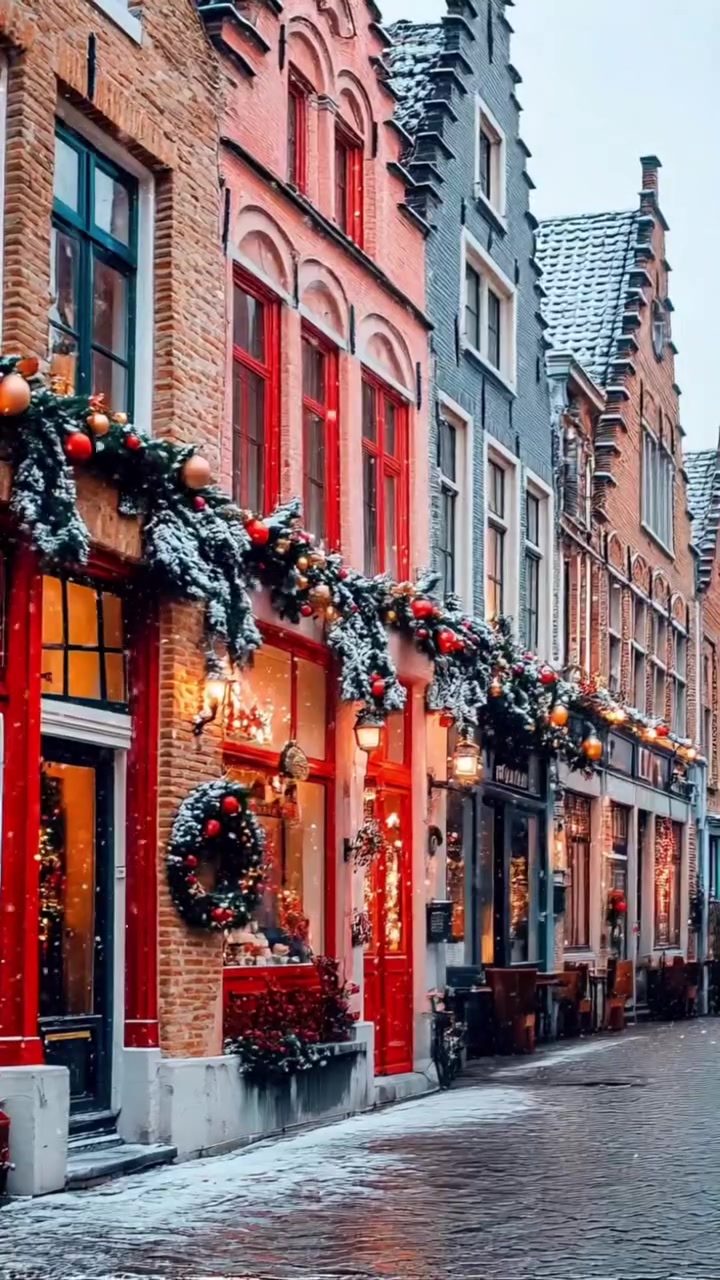
Christmas Decorations and Festive European Architecture
Introduction
Festive European architecture during the Christmas season is a universal holiday experience. Traditional European buildings, often made of brick, have gabled roofs and often feature red-framed windows.
Why This Matters
The charm of European architecture, especially during the Christmas season, is celebrated globally. Decorations like wreaths, garlands, and twinkling lights transform these buildings into warm and inviting spaces. This festive ambiance is not just about aesthetics; it’s about creating a cozy atmosphere that enhances the holiday experience.
Christmas Decorations
Christmas decorations are a major part of the holiday season in Europe. During the festive season, traditional European buildings are adorned with various decorations. These decorations include wreaths, garlands, and twinkling lights, all of which combine to create a warm and inviting atmosphere.
Wreaths and Garlands
Wreaths and garlands are quintessential Christmas decorations, especially in Europe. These decorations symbolize the circle of life, a central theme of the holiday season. Wreaths are often hung on doors, windows, and walls, while garlands are draped around railings and windows. The use of evergreens, like pine and holly, in these decorations represents the enduring spirit of the holiday season.
Twinkling Lights
Twinkling lights are a universal symbol of the holiday season. In Europe, these lights are often used to illuminate the exterior of buildings, making them appear magical at night. Such lights create a festive atmosphere, attracting visitors to the area. In addition, they can be used to highlight specific architectural features, such as windows and doors, enhancing the overall visual appeal.
Traditional Materials
European Christmas decorations often use traditional materials like wood, metal, and glass. These materials are commonly sourced locally, adding to the authenticity of the decorations. Wooden ornaments, for example, are popular in areas with abundant forests, while glass ornaments are more common in regions with a history of glassmaking. The use of these materials not only adds to the charm of the decorations but also supports local artisans and industries.
Festive Interiors
The festive spirit extends indoors, with European homes and hotels showcasing cozy and luxurious interiors during the holiday season.
Cozy Christmas Interiors
Cozy Christmas interiors are all about creating a warm and inviting atmosphere. These interiors often feature a Christmas tree, comfortable seating, and rich colors and textures. A large window overlooking a cityscape adds to the charm, while green armchairs and a small table create a cozy seating area. The overall aesthetic is one of warmth and comfort, perfect for relaxing and enjoying the holiday season.
Luxurious Christmas Bathrooms
Luxurious Christmas bathrooms are another highlight of the festive season. These bathrooms often feature a large white bathtub filled with water and surrounded by twinkling lights and floral decorations. The scene evokes a sense of relaxation and indulgence, perfect for unwinding during the holiday season. The use of rich colors, textures, and luxurious materials adds to the overall experience.
Grand Christmas Decorations in Hotels
Hotels in Europe often go all out during the Christmas season, creating grand lobbies that are a sight to behold.
Grand Lobby Decorations
Grand lobbies are often adorned with multiple Christmas trees, garlands, and other festive decorations. These decorations create an opulent and festive atmosphere, perfect for welcoming guests and creating a holiday cheer. The use of rich colors, textures, and luxurious materials adds to the overall experience, making the lobby a festive hub for guests and visitors.
Practical Tips
Planning to decorate your home or business for the holidays? Here are some tips to create a festive atmosphere.
Start Early
Starting early ensures that you have enough time to gather materials and decorations. It also allows you to enjoy the decorating process without feeling rushed. You can even involve family and friends in the decorating process, making it a fun and memorable experience.
Use Natural Elements
Incorporate natural elements like evergreens, pinecones, and flowers into your decorations. These elements add a touch of nature to your decor and can be sourced locally, adding to the authenticity of your decorations. They also contribute to a cozy and inviting atmosphere.
Focus on Lighting
Lighting plays a crucial role in creating a festive atmosphere. Use a mix of twinkling lights, candles, and lanterns to create a warm and inviting space. You can also use lighting to highlight specific architectural features, such as windows and doors, enhancing the overall visual appeal.
Important Takeaways
The festive season in Europe is a beautiful blend of traditional architecture and modern decor. European buildings, with their gabled roofs and red-framed windows, provide a perfect canvas for Christmas decorations. The use of wreaths, garlands, and twinkling lights transforms these buildings into warm and inviting spaces, perfect for the holiday season. Whether it’s a cozy interior, a luxurious bathroom, or a grand lobby, the focus is on creating a festive atmosphere that enhances the holiday experience.
Conclusion
The charm of European architecture, especially during the Christmas season, is undeniable. The use of traditional materials, natural elements, and festive decorations transforms these buildings into warm and inviting spaces. The focus on creating a cozy and luxurious atmosphere, both indoors and outdoors, enhances the holiday experience. Whether you’re looking to decorate your home, office, or hotel, the festive spirit of Europe is a great inspiration.
Questions readers ask
What are some common holiday decorations used on European buildings during Christmas?
European buildings are often adorned with classic Christmas decorations. These include wreaths and garlands, which are typically made from evergreen branches and adorned with red bows or other festive ornaments. Additionally, twinkling lights in various colors and patterns can be seen draped across balconies, windows, and rooftops, creating a warm and inviting glow. Some buildings feature elaborate light displays that pulse or move, adding a dynamic element to the festive atmosphere.
How do European buildings incorporate their traditional architecture into Christmas decorations?
European buildings, with their traditional brick construction, gabled roofs, and red-framed windows, serve as perfect canvases for Christmas decorations. Wreaths and garlands are often hung on doors and windows, complementing the architecture. Lights are carefully placed to highlight the building's unique features, such as intricate roof lines or ornate facades. This integration of decorations with the building's structure enhances the overall festive aesthetic.
What role do Christmas lights play in the festive atmosphere of European buildings?
Christmas lights are essential in creating the magical atmosphere of European buildings during the holiday season. They illuminate the streets and facades, casting a warm glow over the surroundings. Different types of lights, from classic string lights to LED displays, are used to accentuate the architectural details of the buildings. This not only makes the buildings visually stunning but also contributes to the overall festive and cozy ambiance.
How do garlands and wreaths enhance the festive look of European buildings during Christmas?
Garlands and wreaths are iconic Christmas decorations that bring a touch of nature to European buildings. They are typically made from evergreen branches, symbolizing enduring life, and are often decorated with red bows, pinecones, or berries. When hung on doors, windows, and balconies, they create a lush, verdant contrast against the brick or stone facades, adding to the holiday charm. These decorations also convey a sense of warmth and hospitality, inviting passersby to enjoy the festive spirit.
Are there specific types of European buildings that are particularly notable for their Christmas decorations?
While all types of European buildings can be beautifully decorated, certain styles stand out during the Christmas season. Traditional brick buildings with gabled roofs, such as those found in Germany and the Netherlands, often showcase intricate and elaborate decorations. Medieval and Renaissance architecture, with their ornate facades and intricate details, also provide a stunning backdrop for festive adornments. These buildings, with their historical significance, add an extra layer of charm to the holiday season.
How do European cities transform their public spaces during the Christmas season?
European cities go to great lengths to create a festive atmosphere in their public spaces. Major squares and avenues are often transformed into winter wonderlands with towering Christmas trees, elaborate light displays, and ice rinks. Markets, known as Christkindlmarkts or Christmas markets, spring up in many cities, offering seasonal treats, handicrafts, and live entertainment. These markets are typically housed in festively decorated stalls and tents, creating a vibrant and immersive holiday experience.
Related deep dives
Similar reads based on topic and creator.




Recent articles
Fresh deep dives from the latest Reels we unpacked.



Comments
Be the first to comment.