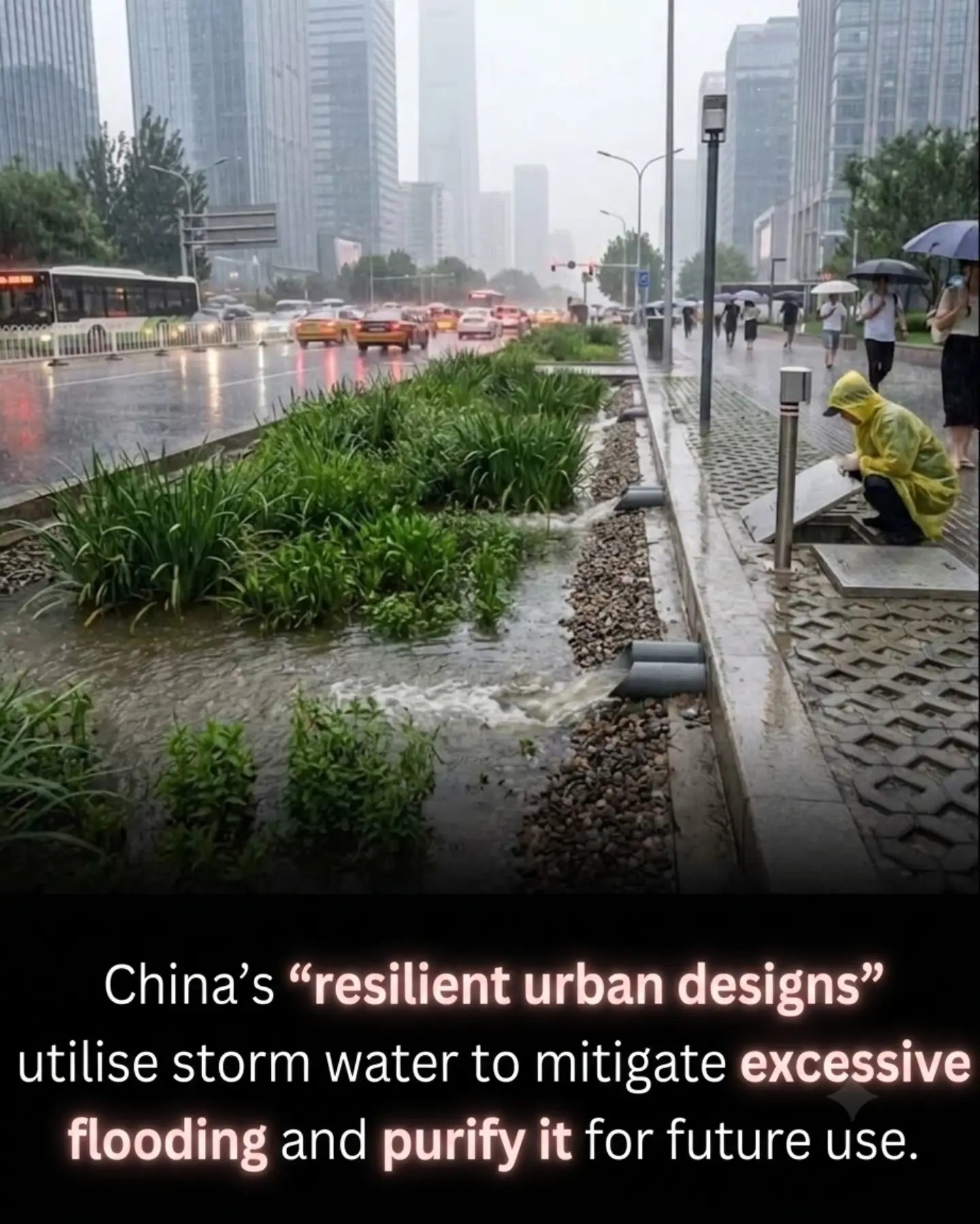
Urban Water Management with Sponge Cities
Sponge cities are an innovative approach to urban water management, particularly in areas prone to heavy rainstorms. This concept, which has gained significant traction in China, aims to address the challenges of urban flooding by integrating natural processes into city design. By doing so, sponge cities not only mitigate the risks of flooding but also enhance the overall urban environment.
Why This Matters
Cities around the world are facing increasing pressure from intense rainstorms and urbanization, which often lead to severe flooding. Traditional urban drainage systems, designed to channel water away as quickly as possible, often struggle to handle the enormous volumes of rainwater, resulting in street flooding, sewer overflows, and environmental degradation. Sponge cities offer a sustainable solution by focusing on absorption, infiltration, and natural filtration of rainwater.
Main Discussion
The Concept of Sponge Cities
Sponge cities are designed to absorb and capture rainwater naturally, mimicking the functions of a sponge. This is achieved through a combination of green infrastructure, permeable surfaces, and bioswales (green plant beds). The idea is to create a city that can "sponge" up excess water during heavy rain, reducing the risk of flooding and minimizing the stress on existing sewer systems.
Key Components of Sponge Cities
-
Bioswales: These are planted areas designed to capture and filter rainwater. Bioswales are typically filled with native plants that help to purify the water naturally as it flows through the soil.
-
Permeable Surfaces: Unlike traditional concrete or asphalt surfaces, permeable surfaces allow water to soak in, reducing runoff. These surfaces can be made from materials like gravel, special soils, or permeable paving.
-
Rain Gardens and Green Roofs: Rain gardens are small, shallow depressions filled with plants that capture and filter rainwater. Green roofs, covered with vegetation, also absorb rainwater and reduce the amount of runoff from buildings.
-
Underground Storage: Some sponge city designs include underground storage systems that capture and store rainwater for future use. This water can be used for irrigation, toilet flushing, or other non-potable needs.
Benefits of Sponge Cities
-
Reduced Flooding: By absorbing and storing rainwater, sponge cities significantly reduce the risk of street flooding during intense rainstorms.
-
Enhanced Water Quality: The natural filtration process through plants and soil improves water quality by removing pollutants and contaminants.
-
Improved Urban Green Spaces: The incorporation of green infrastructure like bioswales, rain gardens, and green roofs enhances the urban landscape, making cities more livable and aesthetically pleasing.
-
Efficient Water Management: Sponge cities use rainwater more efficiently by capturing it for future use, reducing the demand on municipal water supplies.
Case Study: China's Sponge City Initiative
China has been at the forefront of implementing sponge city designs. The country has faced significant urban flooding issues, particularly in major cities like Shanghai and Wuhan. In response, China has adopted a national initiative to transform many of its urban areas into sponge cities. This initiative includes large-scale infrastructure projects that incorporate bioswales, permeable surfaces, and underground storage systems. The goal is to create cities that can manage rainwater sustainably, reducing the need for traditional drainage systems.
Practical Tips
If you're interested in implementing sponge city principles in your own community, here are some practical tips to get started:
-
Assess Your Urban Design: Evaluate your city's current drainage system and identify areas prone to flooding. Consider how sponge city principles could be integrated into these areas.
-
Engage with Local Stakeholders: Work with local governments, urban planners, and community groups to develop a comprehensive plan for implementing sponge city designs.
-
Pilot Projects: Start with small-scale pilot projects, such as installing bioswales in public parks or creating green roofs on community buildings. These projects can serve as models for larger-scale implementations.
-
Promote Green Infrastructure: Encourage the use of green infrastructure in new construction projects and urban redevelopment initiatives. This includes incorporating rain gardens, permeable surfaces, and green roofs.
-
Educate the Public: Raise awareness about the benefits of sponge cities and the importance of sustainable water management. Public support is crucial for the success of any urban planning initiative.
Important Takeaways
- Sponge cities offer a sustainable solution to urban flooding by integrating natural processes into city design.
- Key components like bioswales, permeable surfaces, and green roofs play a crucial role in sponge city designs.
- Benefits include reduced flooding, improved water quality, enhanced urban green spaces, and efficient water management.
- China's initiative serves as a model for implementing sponge city principles on a large scale.
Conclusion
Sponge cities represent a paradigm shift in urban water management, focusing on sustainability and natural processes. By absorbing and capturing rainwater naturally, these cities offer a solution to the challenges of urban flooding. Whether you're a city planner, a community activist, or simply someone interested in sustainable urban design, understanding the principles of sponge cities can help create more resilient and livable urban environments.
Questions readers ask
What are the key elements of sponge city design?
Sponge city design incorporates several key elements, including green infrastructure like parks and green roofs, permeable surfaces that allow water to seep into the ground, and bioswales—landscaped channels designed to capture and filter rainwater. These components work together to absorb and manage excess water, reducing the risk of flooding and enhancing the overall environment.
How do sponge cities help in urban rainwater management?
Sponge cities manage urban rainwater by mimicking natural water cycles. They use green infrastructure to absorb and store rainwater, allowing it to infiltrate the soil and replenish groundwater. This approach not only reduces the strain on traditional drainage systems but also helps to prevent urban flooding and improves water quality.
What are the benefits of using permeable surfaces in urban areas?
Permeable surfaces in urban areas allow rainwater to infiltrate the ground rather than running off into storm drains. This helps to reduce surface runoff, recharge groundwater, and minimize the risk of flooding. Additionally, permeable surfaces can help filter pollutants from rainwater, improving the quality of water that reaches local waterways.
How does the China sponge city initiative tackle urban flooding?
The China sponge city initiative tackles urban flooding by integrating sustainable urban water management practices into city planning. By promoting the use of green infrastructure, permeable surfaces, and bioswales, these cities can absorb and manage heavy rainfall more effectively. This approach helps to alleviate the pressure on traditional drainage systems and enhances the resilience of urban environments to flooding.
What are bioswales and how do they contribute to flood control?
Bioswales are vegetated channels designed to capture and filter rainwater runoff. They contribute to flood control by slowing down the flow of water, allowing it to infiltrate the soil, and reducing the volume of water that enters storm drains. Bioswales also help to improve water quality by filtering out pollutants before the water reaches local waterways.
How can other cities around the world benefit from sponge city principles?
Other cities can benefit from sponge city principles by adopting similar sustainable urban water management practices. This includes integrating green infrastructure, using permeable surfaces, and implementing bioswales. By doing so, cities can enhance their resilience to flooding, improve water quality, and create more livable urban environments.
Recent articles
Fresh deep dives from the latest Reels we unpacked.




Comments
Be the first to comment.