Chihuahua's Selective Non-Responsiveness: A Fascinating Case of Misdiagnosis
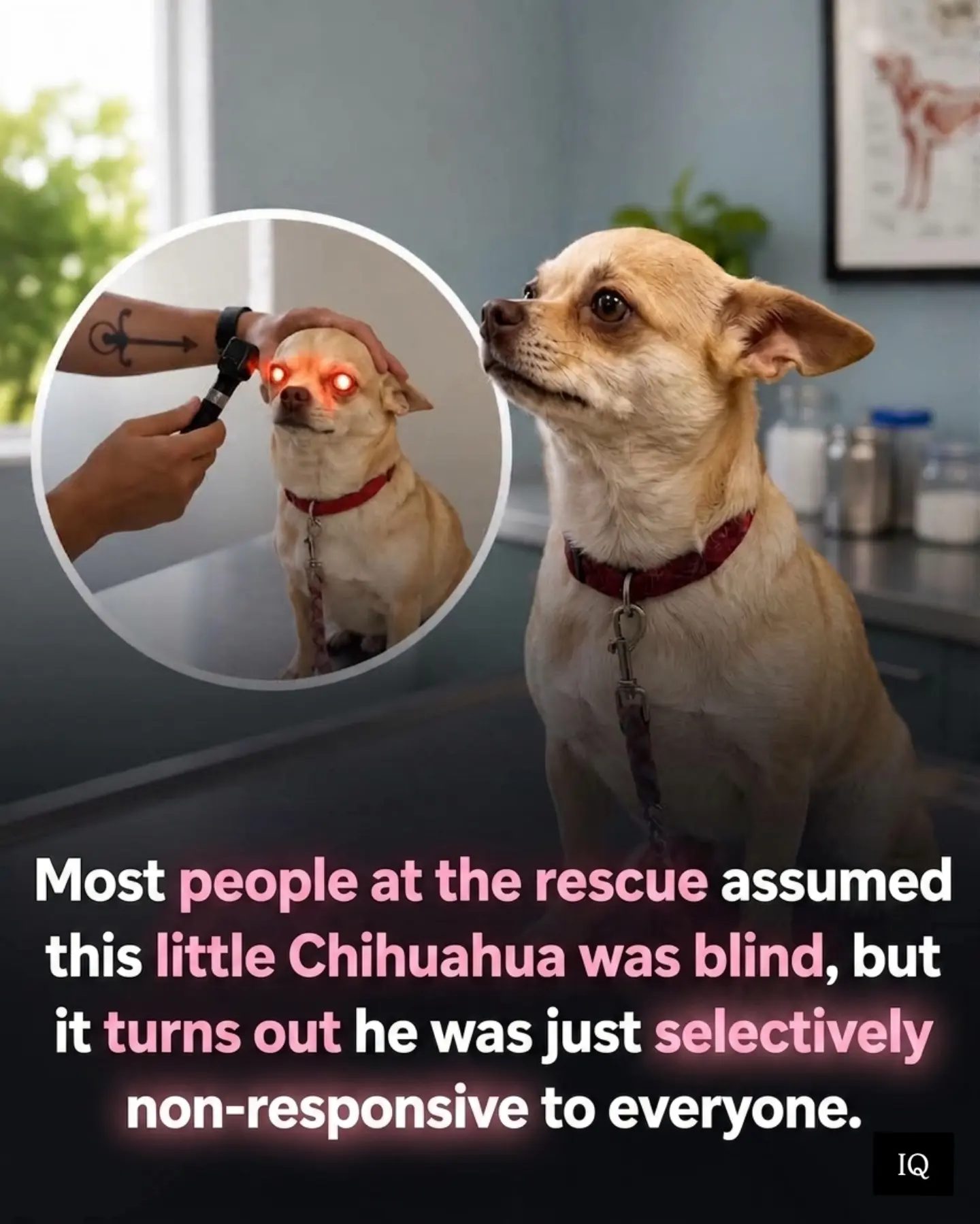
Chihuahuas are known for their small size and big personalities, but one particular Chihuahua gained attention for an unexpected reason. People initially thought this Chihuahua was blind, but it turned out she was selectively non-responsive to her surroundings. This case highlights the importance of thorough veterinary examinations and understanding canine behavior.
Why This Matters
Understanding why a Chihuahua or any dog might seem unresponsive can help owners and veterinarians alike. Misdiagnosing a medical condition can lead to unnecessary stress and potentially harmful treatments. This case underscores the need for careful observation and accurate diagnosis in animal care.
The Story Behind the Misdiagnosis
The story began at a rescue where most people assumed a small Chihuahua was blind. The dog's unresponsiveness to her environment led to this assumption. However, during an eye checkup, it became clear that the Chihuahua's eyesight was perfect. The dog was simply choosing to ignore everyone around her. This selective non-responsiveness is a fascinating behavioral trait that can sometimes be mistaken for a medical issue.
The Eye Exam
The veterinary examination is a crucial part of this story. The vet used an ophthalmoscope to check the Chihuahua's eyes. Despite shining a light directly into her eyes, the dog showed no reaction. This lack of response is what initially led people to believe she was blind. Dogs, like humans, can have varying levels of responsiveness to stimuli, and it's essential to consider all possibilities during a checkup.
Behavioral Clues
Behavioral clues are often the first indicators that something might be wrong with a dog. In this case, the Chihuahua's lack of interaction was a red flag. However, it's important to note that behavior can be misleading. Just because a dog isn't reacting to its environment doesn't mean there's a medical condition at play. Sometimes, dogs can be selectively non-responsive for reasons that are purely behavioral.
Common Misdiagnoses in Small Dogs
Misdiagnoses can happen for various reasons, particularly in small dogs like Chihuahuas. Their small size and sometimes delicate nature can make it challenging to pinpoint the exact cause of their symptoms. Here are a few common misdiagnoses in small dogs:
Vision Issues
Small dogs are prone to various eye conditions, from cataracts to progressive retinal atrophy. These conditions can lead to blindness, but they also have specific symptoms that veterinarians can look for. Misdiagnosing these conditions can delay proper treatment and affect the dog's quality of life.
Neurological Disorders
Neurological disorders can also cause unresponsiveness in dogs. Conditions like seizures or brain tumors can affect a dog's behavior and responsiveness. However, these conditions often come with other symptoms that can help veterinarians make an accurate diagnosis.
Behavioral Issues
Behavioral issues can sometimes mimic medical conditions. For example, a dog that is selectively non-responsive might be experiencing anxiety, depression, or stress. These issues can be just as debilitating as physical conditions and require careful management to improve the dog's quality of life.
Practical Tips for Dog Owners
If you notice your dog is unresponsive or displaying unusual behavior, it's essential to take the following steps:
Regular Veterinary Checkups
Regular veterinary checkups are crucial for maintaining your dog's health. During these checkups, your vet can perform a thorough examination, including eye checks, to rule out any medical conditions.
Observe Behavior Closely
Pay close attention to your dog's behavior. Note any changes in responsiveness, energy levels, or appetite. Keeping a record of these observations can help your vet make an accurate diagnosis.
Communication with the Vet
Communicate openly with your vet about any concerns you have. Explain the behavior you've observed and any other symptoms your dog might be experiencing. The more information your vet has, the better equipped they are to make an accurate diagnosis.
Consider Behavioral Training
If your vet rules out any medical conditions, consider behavioral training. Sometimes, dogs need help to manage stress or anxiety, and a professional trainer can provide the necessary support.
Important Takeaways
This story highlights several important points about dog care and behavior:
- Thorough Examinations: Comprehensive veterinary examinations are essential for accurate diagnoses.
- Behavioral Clues: Pay close attention to your dog's behavior and note any changes.
- Misdiagnosis Risks: Misdiagnosing a condition can lead to unnecessary stress and potentially harmful treatments.
- Professional Help: Don't hesitate to seek help from a professional trainer or veterinarian if you notice unusual behavior.
Conclusion
The story of the selectively non-responsive Chihuahua underscores the importance of careful observation and accurate diagnosis in animal care. It also serves as a reminder that behavior can sometimes be misleading and that thorough veterinary examinations are crucial for maintaining your dog's health. By paying close attention to your dog's behavior and communicating openly with your vet, you can ensure your furry friend receives the best possible care.
Questions readers ask
What is selective non-responsiveness in Chihuahuas and other small dogs?
Selective non-responsiveness refers to a behavior where a dog, such as a Chihuahua, does not react to certain stimuli in their environment, unlike their usual behavior. This can be mistaken for blindness or deafness, but it is not an indication of a sensory impairment. Instead, it is a unique behavioral trait, which might be breed, temperament, or personality-specific.
How can a thorough vet checkup help my Chihuahua?
A thorough vet checkup ensures that your Chihuahua's health is assessed comprehensively. This includes examining their eyes, ears, and overall behavior, which helps rule out any underlying medical issues. Regular checkups are crucial for early detection and treatment of potential health issues, making them an essential part of preventive care for your pet.
What are the signs that my Chihuahua might be selectively non-responsive?
Signs of selective non-responsiveness in a Chihuahua can include ignoring toys, not reacting to sounds or movements, and appearing disengaged from their surroundings. However, these signs can also indicate other issues, so it is essential to observe your pet carefully and consult a veterinarian for a proper diagnosis.
Can Chihuahuas be prone to eye health issues?
Chihuahuas can be prone to various eye health concerns, including cataracts, glaucoma, and corneal ulcers. Regular eye exams by a veterinarian are essential for maintaining your Chihuahua's eye health. Because of their small size and unique facial structure, Chihuahuas might be more susceptible to certain conditions that affect their eyes.
What steps should I take if my Chihuahua seems unresponsive to their surroundings?
If your Chihuahua appears unresponsive, it is essential to consult a veterinarian for a thorough examination. This will help rule out any medical conditions, including blindness, deafness, or neurological issues. Prepare a list of any unusual behaviors and share it with your vet to aid in the diagnostic process.
What are common causes of blindness in Chihuahuas?
Common causes of blindness in Chihuahuas include cataracts, glaucoma, progressive retinal atrophy, and injuries to the eye. Regular vet checkups can help monitor eye health and detect these conditions early, allowing for prompt treatment and management, which may prevent or delay loss of vision.
How can I differentiate between selective non-responsiveness and a genuine health issue in my Chihuahua?
To differentiate between selective non-responsiveness and a genuine health issue, observe your Chihuahua's behavior over time. If the non-responsiveness is consistent and not related to specific situations, it could be a unique trait. However, if accompanied by other symptoms or changes in behavior, consult a veterinarian for a professional assessment and to rule out any underlying issues.
Related deep dives
Similar reads based on topic and creator.

Recent articles
Fresh deep dives from the latest Reels we unpacked.




Comments
Be the first to comment.