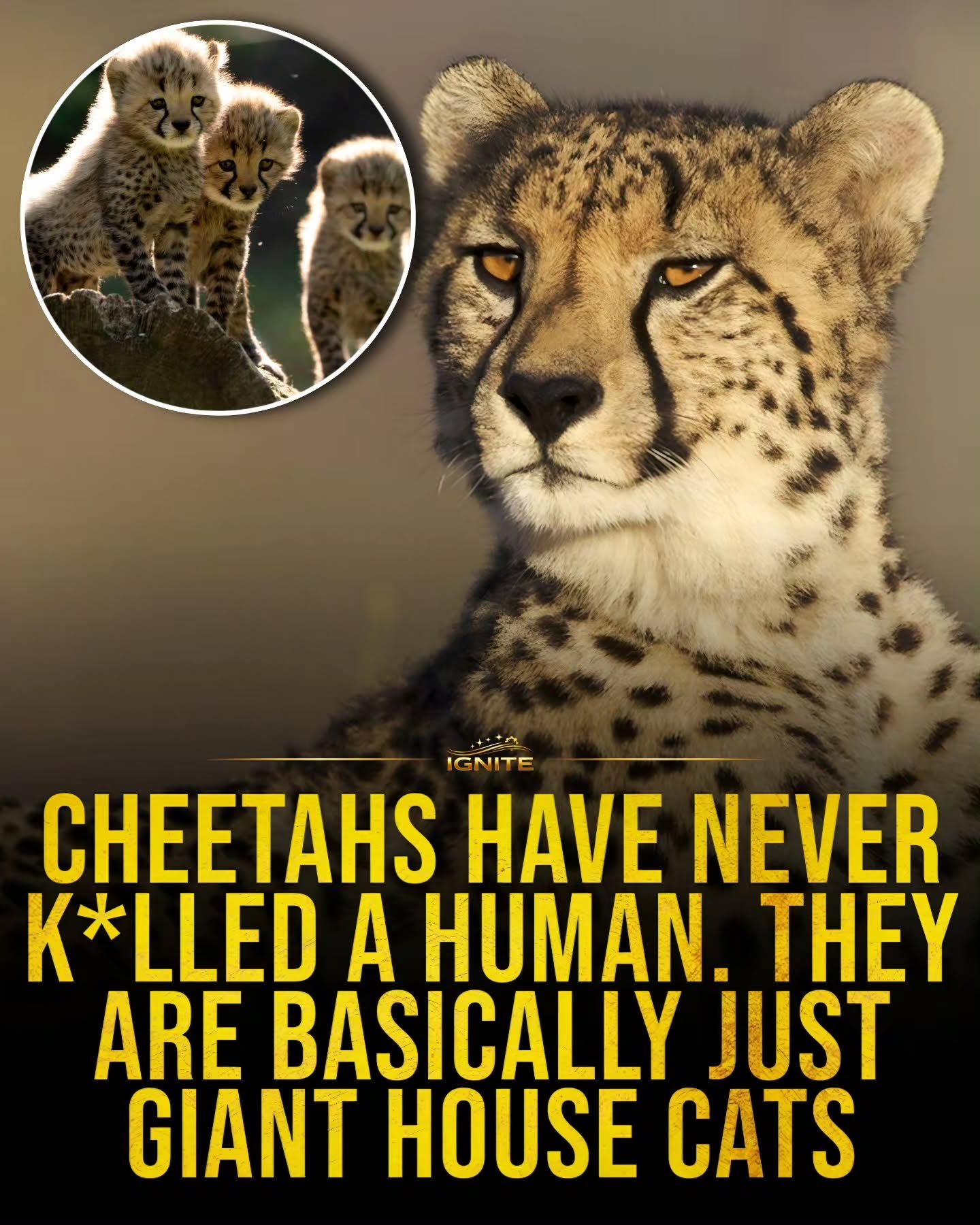
Cheetahs: The Gentle Giants of the Savanna
Cheetahs are renowned for their incredible speed, but there's more to these big cats than just their ability to reach up to 70 mph (113 km/h). Despite their reputation as the fastest land animals, cheetahs are surprisingly gentle creatures.
Why This Matters
Understanding cheetah behavior is crucial for conservation efforts and for dispelling common misconceptions about these animals. Cheetahs, while formidable predators, are not the aggressive hunters many people assume them to be. This knowledge is vital for promoting coexistence between humans and cheetahs, especially in areas where their habitats overlap.
Cheetah Behavior and Characteristics
Non-Aggressive Nature
One of the most surprising facts about cheetahs is their non-aggressive nature. Wildlife researchers have documented no cases of a wild cheetah killing a human. This is remarkable considering their speed and predators capabilities. Cheetahs generally prefer to avoid confrontations rather than engage in fights. Unlike lions and tigers, cheetahs do not roar; instead, they communicate through purring, chirping, and meowing—sounds that are more reminiscent of domestic cats.
Agile and Graceful
The speed of a cheetah is not just a result of raw power but also of their agile and graceful movements. Cheetahs have a unique gait that allows them to cover ground quickly and efficiently. Their long legs, flexible spines, and semi-retractable claws make them exceptionally adapted for sprinting. Their light body weight and small head also contribute to their speed, making them the epitome of grace and efficiency in the animal kingdom.
Social Behavior
Cheetahs are known for forming strong bonds not only with their own kind but also with their caretakers in captivity. In some cases, they have even been paired with emotional support dogs to help reduce stress. This social behavior challenges the stereotypical image of cheetahs as solitary and aloof predators. Their ability to form bonds highlights their complex social nature, which is an important aspect of their overall behavior.
Why Cheetahs Avoid Humans
Shyness and Caution
Cheetahs are generally shy and cautious animals. They prefer to avoid areas with high human activity, which makes them less likely to come into conflict with humans. Their shyness is a key factor in their non-aggressive nature. Unlike other big cats, cheetahs do not see humans as a threat or prey, which contributes to their peaceful coexistence with humans.
Conservation Efforts
Cheetahs are listed as vulnerable on the IUCN Red List, and their populations continue to decline due to habitat loss, poaching, and human-wildlife conflict. Understanding their non-aggressive nature and social behavior is essential for developing effective conservation strategies. By promoting coexistence and reducing human-wildlife conflict, we can help protect cheetah populations and ensure their survival.
Practical Tips for Living with Cheetahs
Minimize Human- Wildlife Conflict
To minimize human-wildlife conflict, it is important to create buffer zones between human settlements and cheetah habitats. This can be achieved through community-based conservation efforts, where local communities are involved in protecting cheetahs and their habitats. Providing alternative livelihoods to communities living near cheetah habitats can also reduce the reliance on wild resources and minimize conflicts.
Public Awareness and Education
Increasing public awareness about cheetah behavior and their non-aggressive nature can help dispel common myths and misconceptions. Educating people about the importance of cheetahs in the ecosystem and the threats they face can foster a sense of appreciation and responsibility towards these animals.
Support Conservation Efforts
Supporting conservation efforts through donations, volunteering, or advocacy can make a significant difference in cheetah conservation. Organizations working to protect cheetahs rely on public support to fund their research, conservation, and rehabilitation programs.
Important Takeaways
- Non-Aggressive Nature: Cheetahs are generally shy and prefer to avoid confrontations, making them less likely to attack humans.
- Unique Communication: Unlike other big cats, cheetahs do not roar; they communicate through purring, chirping, and meowing.
- Social Behavior: Cheetahs form strong bonds with their caretakers and can even be paired with emotional support dogs to reduce stress.
- Speed and Agility: Cheetahs are the fastest land animals, capable of reaching speeds up to 70 mph (113 km/h), due to their agile and graceful movements.
- Conservation Challenges: Cheetahs face significant threats such as habitat loss, poaching, and human-wildlife conflict, which impact their populations.
Conclusion
Cheetahs are truly fascinating creatures, combining incredible speed with a gentle and shy demeanor. Understanding their behavior and characteristics is essential for their conservation and for promoting coexistence with humans. By appreciating their unique nature and supporting conservation efforts, we can help ensure the survival of these gentle giants of the savanna.
Questions readers ask
Why are cheetahs often considered gentle giants despite their speed?
Cheetahs are called gentle giants because, while they are incredibly fast, they are also known for their non-aggressive and gentle demeanor. Their hunting style, which relies on stealth and speed rather than aggression, contributes to this perception. Additionally, cheetahs often avoid conflicts with other predators and humans, preferring to retreat when threatened. This unique combination of speed and gentleness makes them stand out among big cats.
Do cheetahs exhibit social behavior?
Yes, cheetahs have a unique social structure. They often live in groups called coalitions, which can consist of brothers or females and their offspring. These social structures are important for hunting, protecting territory, and raising young. This social behavior is particularly evident in male cheetahs, who form strong bonds with their brothers and cooperate in various activities.
How do cheetahs hunt compared to other big cats?
Cheetahs are known for their unique hunting style, which relies heavily on their extraordinary speed. Unlike other big cats that often use brute force, cheetahs prefer to stalk their prey and then engage in a high-speed chase. This strategy is surprisingly effective, making up for their relatively small size. Their hunting methods are a testament to their adaptability and efficiency as predators.
Are cheetahs aggressive towards humans?
Cheetahs are generally non-aggressive towards humans and prefer to avoid conflicts. They are not known for attacking humans unless provoked or cornered. Human-cheetah conflicts often arise from habitat encroachment rather than the cheetahs' predatory nature. Understanding and respecting the cheetah's behavior can help mitigate these conflicts and promote peaceful coexistence.
How do cheetahs interact with other predators?
Cheetahs typically avoid confrontations with other predators, such as lions and hyenas. They often retreat when faced with aggressive behavior from these predators. This avoidance strategy helps cheetahs conserve energy and minimize the risk of injury. Their interactions with other predators are more about survival and territorial boundaries rather than direct aggression.
What are some key facts about cheetahs that are often misunderstood?
One common misconception is that cheetahs are overly aggressive. In reality, they are quite gentle and avoid conflicts when possible. Another myth is that cheetahs are solitary animals. While they do hunt alone, they often form social groups, especially males. Additionally, cheetahs' hunting habits are more about speed and efficiency than brute force, which sets them apart from other big cats.
What does understanding cheetah behavior contribute to conservation efforts?
Understanding cheetah behavior is crucial for developing effective conservation strategies. Knowing that cheetahs are gentle and avoid conflict helps in creating programs that promote coexistence between cheetahs and humans. It also aids in designing reserves and protected areas that cater to the unique needs and behaviors of cheetahs, ensuring their survival in the wild.
Related deep dives
Similar reads based on topic and creator.




Recent articles
Fresh deep dives from the latest Reels we unpacked.




Comments
Be the first to comment.