How the Apollo 11 Moon Landing Ignited a New Era
Why it matters
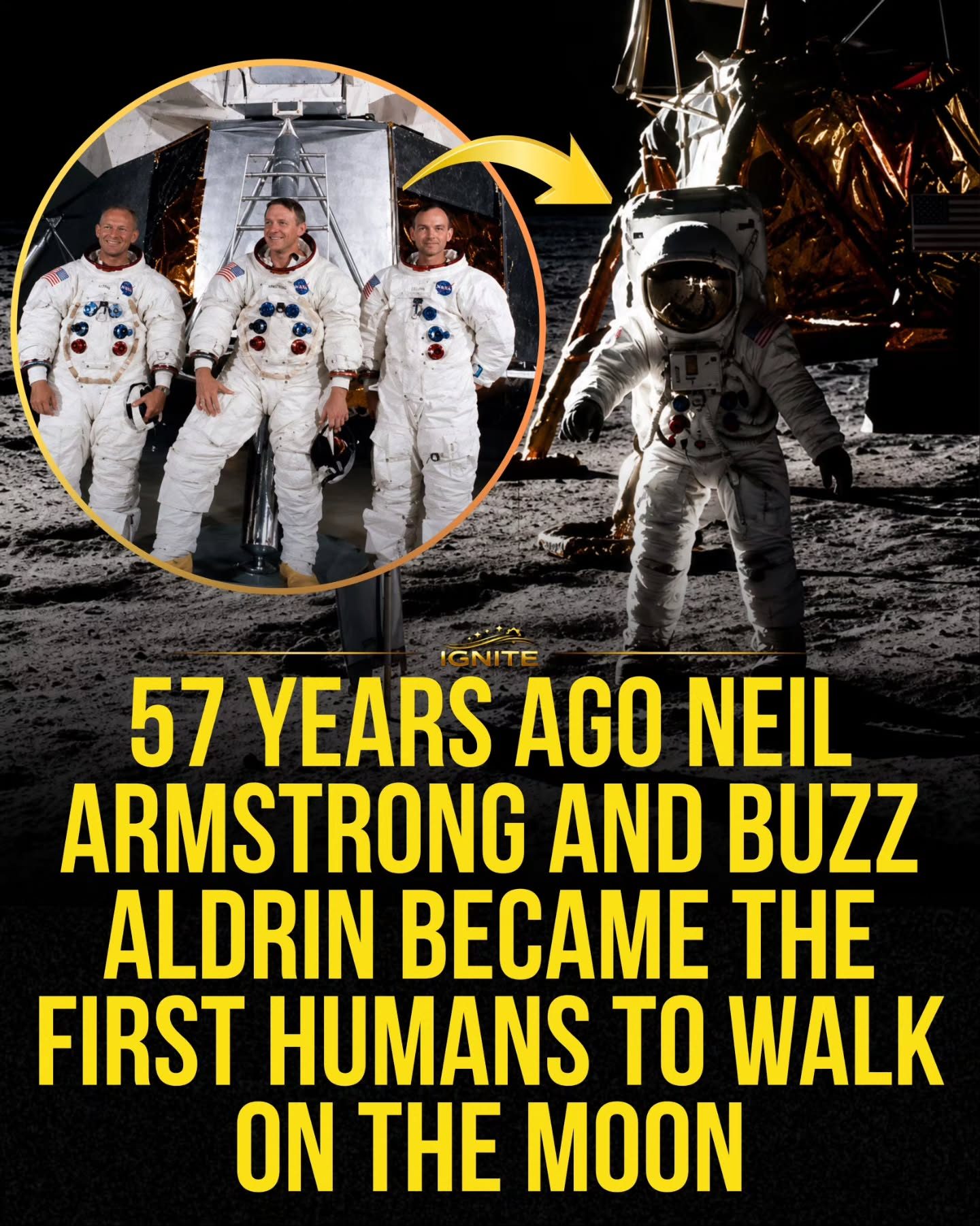
On July 20, 1969, astronauts Neil Armstrong and Buzz Aldrin became the first humans to walk on the lunar surface. We are celebrating 57 years since the successful Apollo 11 mission. This monumental achievement not only marked a significant milestone in space exploration but also ignited a new era of scientific discovery, technological advancement, and global inspiration.
The Apollo 11 mission was a culmination of years of hard work, dedication, and innovation. It demonstrated the power of human ingenuity and the relentless pursuit of knowledge. The historic event continues to inspire generations, reminding us of the boundless potential of human achievement.
What Happened
The Apollo 11 Mission
The Apollo 11 mission was launched on July 16, 1969, with astronauts Neil Armstrong, Buzz Aldrin, and Michael Collins aboard the spacecraft. The mission's primary goal was to land humans on the moon and return them safely to Earth. After a four-day journey, the lunar module, named "Eagle," descended to the moon's surface on July 20, 1969. Neil Armstrong became the first person to step onto the lunar surface, followed by Buzz Aldrin.
The Historic Moonwalk
Neil Armstrong's famous words, "That's one small step for [a] man, one giant leap for mankind," echoed around the world as he took his first steps on the moon. This moment was broadcast live to a global audience, captivating millions of viewers. The historic moonwalk not only marked a significant achievement in space exploration but also symbolized the triumph of human endeavor and the spirit of discovery.
The Impact of the Apollo 11 Moon Landing
Scientific Discoveries
The Apollo 11 mission paved the way for numerous scientific discoveries. Astronauts collected lunar samples, conducted experiments, and took photographs that provided valuable insights into the moon's composition and geological history. These findings have helped scientists better understand the solar system's formation and the origins of the moon.
Technological Advancements
The Apollo 11 mission also drove significant technological advancements. It spurred the development of new materials, propulsion systems, and communication technologies. Many of these innovations have since been adapted for use in various industries, from aerospace to healthcare. The mission's success demonstrated the potential of human achievement and the benefits of investing in cutting-edge technology.
Global Inspiration
The Apollo 11 mission inspired a generation of scientists, engineers, and explorers. It demonstrated the power of collaboration and the importance of pursuing ambitious goals. The historic event continues to inspire people around the world, reminding us of the boundless potential of human achievement and the value of exploration.
Practical Tips for Space Exploration Enthusiasts
If you're fascinated by space exploration and the Apollo 11 mission, there are several ways to dive deeper into this captivating field. Here are some practical tips:
Learn More
Read books, watch documentaries, and attend lectures to deepen your knowledge of space exploration. The Apollo 11 mission and other significant space achievements have been the subject of numerous studies and documentaries. Engaging with these resources can provide you with a deeper understanding of the historical significance and the technological advancements that have resulted from these missions.
Visit Museums
Museums offer a wealth of information and interactive exhibits that can help you explore space exploration. Many museums have exhibits dedicated to the Apollo 11 mission, featuring artifacts, photographs, and interactive displays. These visits can be both educational and inspiring, offering a hands-on experience of space exploration history.
Join Clubs and Groups
Join local or online clubs and groups focused on space exploration. These communities can provide you with opportunities to connect with like-minded individuals, share insights, and participate in collaborative projects. Engaging with a community of space enthusiasts can enhance your knowledge and foster a deeper appreciation for space exploration.
Important Takeaways
The Apollo 11 mission's 57th anniversary is a moment to reflect on the significance of the moon landing and its enduring impact on science, technology, and global inspiration. Here are the key takeaways:
- The Apollo 11 mission marked a significant milestone in space exploration, paving the way for numerous scientific discoveries and technological advancements.
- Neil Armstrong and Buzz Aldrin's historic moonwalk inspired generations and continues to be a symbol of human achievement and the spirit of discovery.
- The mission's successes have had a lasting impact on various industries, driving innovation and progress in fields ranging from aerospace to healthcare.
Conclusion
The 57th anniversary of the Apollo 11 mission is a time to celebrate the historic moon landing and its enduring legacy. The Apollo 11 mission continues to inspire and remind us of the boundless potential of human achievement. Whether you're a seasoned space exploration enthusiast or a curious learner, there are countless ways to deepen your knowledge and appreciation for the historical significance of the moon landing.
Questions readers ask
Why is the Apollo 11 mission considered a pivotal moment in history?
The Apollo 11 mission is considered a pivotal moment in history because it marked the first time humans set foot on another celestial body. The success of this mission demonstrated the capabilities of human ingenuity and technological advancement, inspiring future generations to explore the mysteries of space and pushing the boundaries of what is possible.
Who were the astronauts that walked on the moon during the Apollo 11 mission?
The astronauts who walked on the moon during the Apollo 11 mission were Neil Armstrong and Buzz Aldrin. Armstrong was the first to step onto the lunar surface, followed by Aldrin. Michael Collins, the third member of the crew, orbited overhead in the Command Module, Columbia.
What were some of the key technological advancements that resulted from the Apollo 11 mission?
The Apollo 11 mission led to numerous technological advancements, including improvements in materials science, computing, and communication technologies. Many of these advancements have been integrated into modern technology, enhancing various industries and everyday life.
How did the Apollo 11 mission inspire global communities?
The Apollo 11 mission inspired global communities by showcasing the power of human achievement and collaboration. The event was broadcast live to an estimated 650 million people worldwide, uniting people from different nations and cultures in a shared moment of awe and wonder, while also sparking interest in space exploration and scientific pursuits among millions of individuals.
What were some of the challenges faced during the Apollo 11 mission?
The Apollo 11 mission faced numerous challenges, including the development of a powerful enough rocket, the Saturn V, to escape Earth's gravity, and designing spacesuits that could withstand the harsh conditions of space and the lunar surface. Additionally, the mission required precise navigation and communication systems to ensure the safe landing and return of the astronauts.
What is the significance of the Apollo 11 anniversary, and how is it celebrated?
The Apollo 11 anniversary is significant because it commemorates the historic achievement of humans landing on the moon. It is celebrated through various events, documentaries, and exhibits that highlight the mission's impact on science and technology. Many institutions, such as museums and NASA, host special events and displays to honor this historic occasion.
What can we learn from the Apollo 11 mission that can be applied to future space exploration?
The Apollo 11 mission offers valuable lessons for future space exploration, such as the importance of perseverance, teamwork, and innovation. It also highlights the need for robust engineering, communication, and navigation systems, as well as the significance of international collaboration in achieving ambitious goals.
Related deep dives
Similar reads based on topic and creator.



Recent articles
Fresh deep dives from the latest Reels we unpacked.




Comments
Be the first to comment.