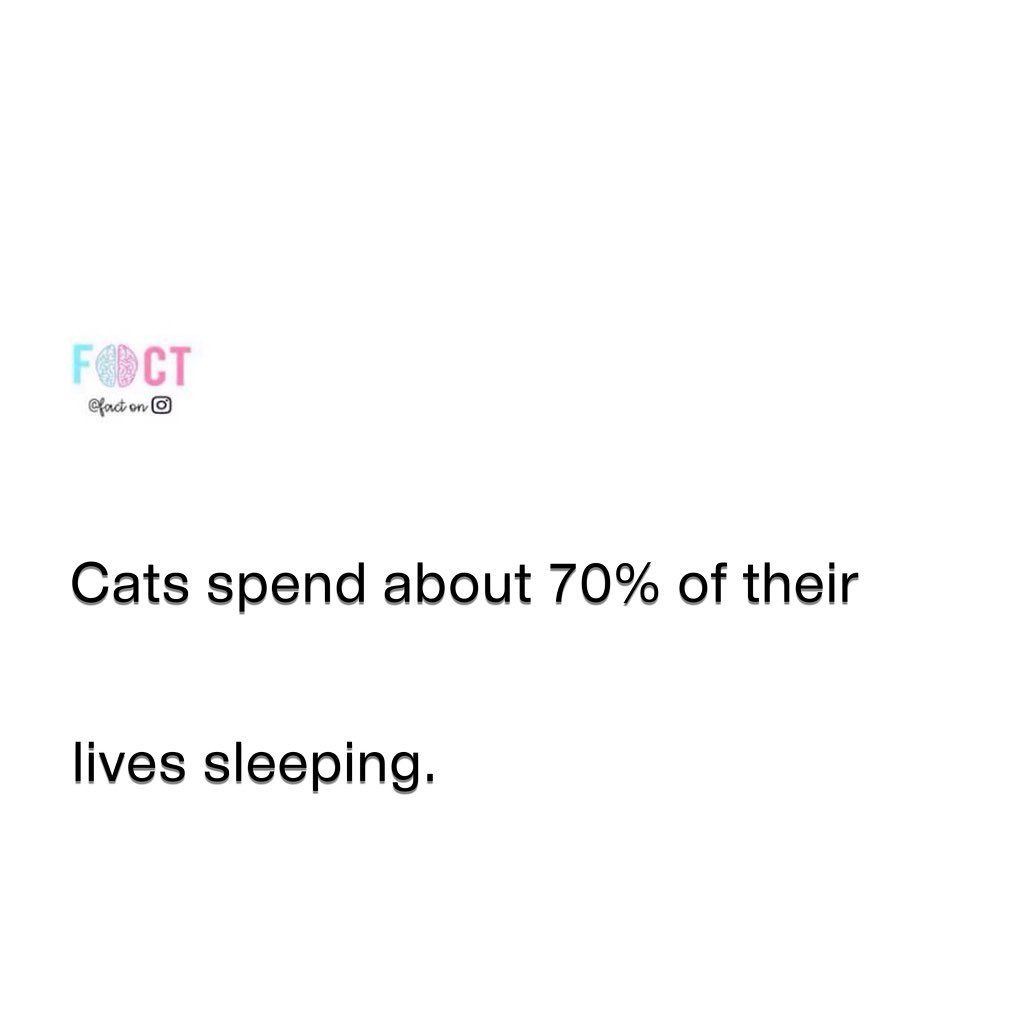
Cat Sleep Facts
Cats are known for their love of naps, but just how much do they actually sleep? It turns out that cats spend about 70% of their lives sleeping. This might seem excessive, but understanding why cats sleep so much can provide insights into their biology and behavior. This comprehensive exploration uncovers the fascinating aspects of feline sleep patterns.
Why This Matters
Understanding how much cats sleep and why they do so can help cat owners provide better care for their pets. Knowing what to expect in terms of a cat's sleep behavior can also help owners identify potential health issues. Additionally, recognizing the unique sleep patterns of cats can deepen the bond between humans and their feline companions, as it fosters a greater appreciation for their natural instincts and needs.
Main Discussion
The Biology of Cat Sleep
Cats are crepuscular animals, meaning they are most active during dawn and dusk. This lifestyle influences their sleep patterns, as they need to conserve energy and rest when their primary hunting and foraging activities are not possible. Cats have evolved to have a high metabolic rate, which means they burn calories quickly. This high energy expenditure contributes to their need for a lot of sleep, which helps them conserve energy and maintain their bodily functions.
Sleep Patterns and Sleep Cycles
Cats have a unique sleep pattern that involves both deep sleep and light sleep phases. On average, cats spend about 50% of their sleep in a deep sleep state and the remaining 50% in a light sleep state. However, they also experience REM (rapid eye movement) sleep, which is crucial for cognitive function and emotional well-being. Cats spend a smaller portion of their sleep in REM sleep than humans do, but it still plays a vital role in their overall sleep health.
Environmental Factors
The environment in which a cat lives can greatly impact its sleep patterns. Cats need a safe, quiet, and comfortable space to sleep. They often prefer high-up spots or enclosed areas where they feel secure. Providing a cat with a cozy bed or a designated sleeping area can help them get the rest they need. Cats are also sensitive to temperature changes, so ensuring they have a warm place to sleep, especially in colder months, is essential.
Diet and Exercise
A cat's diet and exercise regimen can also affect their sleep patterns. Cats that are well-fed and have plenty of opportunities for physical activity are more likely to have healthy sleep patterns. Regular playtime and interactive feeding can help keep a cat's metabolism balanced and ensure they are getting the right amount of rest.
Practical Tips
Creating a Restful Environment
To ensure your cat gets the rest they need, create a comfortable and safe sleeping area. This can include a cozy bed, a designated corner, or even a cat tree where they can retreat to. Make sure the area is free from disturbances and provides a sense of security.
Maintaining a Healthy Routine
Establishing a consistent routine can also benefit your cat's sleep patterns. Feeding times, playtimes, and bedtimes should be as consistent as possible. This helps regulate their internal clock and ensures they are getting the rest they need at the right times.
Monitoring Sleep Behavior
Pay attention to your cat's sleep behavior. If you notice any unusual patterns, such as excessive sleeping during the day or restlessness at night, it could be a sign of an underlying health issue. Regular vet check-ups can help identify and address any potential problems.
Important Takeaways
Cats spend a significant portion of their lives sleeping, and this is a natural part of their biology. Understanding their sleep patterns can help cat owners provide better care and create a more harmonious living environment. By ensuring that cats have a comfortable, safe, and quiet place to sleep and maintaining a consistent routine, owners can support their feline companions' overall health and well-being.
Conclusion
Cats' sleep habits are an essential aspect of their overall health and well-being. By recognizing the importance of their sleep patterns and providing the right conditions for restful sleep, cat owners can better support their pets. Whether it's creating a cozy sleeping area, maintaining a consistent routine, or monitoring for unusual sleep behavior, these steps can help ensure that your feline companion gets the rest they need to thrive.
Questions readers ask
How many hours a day do cats typically sleep?
Cats usually sleep between 12 to 16 hours a day. This aligns with their crepuscular lifestyle, which means they are most active during twilight hours—dawn and dusk—and sleep more during the day and night.
What is the role of metabolism in a cat's sleep patterns?
Cats have a high metabolic rate, which means their bodies burn energy quickly, even when they are resting. Adequate sleep helps them conserve energy and maintain their overall health.
Why do cats sleep so much compared to humans and other animals?
Cats sleep more than many other animals due to their crepuscular nature and high energy expenditure. Their sleep patterns are also influenced by their hunting instincts, as they need to conserve energy for bursts of activity.
What are the different stages of a cat's sleep cycle?
Cats experience two main stages of sleep: slow-wave sleep (SWS) and rapid eye movement (REM) sleep. SWS is a deeper sleep stage where they may twitch or make soft noises, while REM sleep is when they are more likely to exhibit dream-like behavior, such as twitching their paws or making vocalizations.
How can understanding a cat's sleep patterns help in identifying health issues?
Changes in a cat's sleep patterns can indicate underlying health problems. For example, if a cat is sleeping more or less than usual, it might be a sign of illness or discomfort. Monitoring these changes can help owners take timely action and consult with a veterinarian if necessary.
Is it normal for cats to sleep more as they age?
Yes, it is quite normal for cats to sleep more as they age. Older cats may sleep up to 20 hours a day due to a decrease in energy levels and mobility. This increased sleep can be a natural part of aging, but it's still important to monitor for any significant changes that might suggest health issues.
What are some ways to create a comfortable sleeping environment for a cat?
Providing a cozy and safe sleeping area can significantly enhance a cat's sleep quality. Consider placing beds or blankets in quiet, warm spots where your cat can retreat for undisturbed rest. Additionally, ensure they have access to fresh water and a litter box nearby for easy access during the night.
Related deep dives
Similar reads based on topic and creator.
Recent articles
Fresh deep dives from the latest Reels we unpacked.




Comments
Be the first to comment.