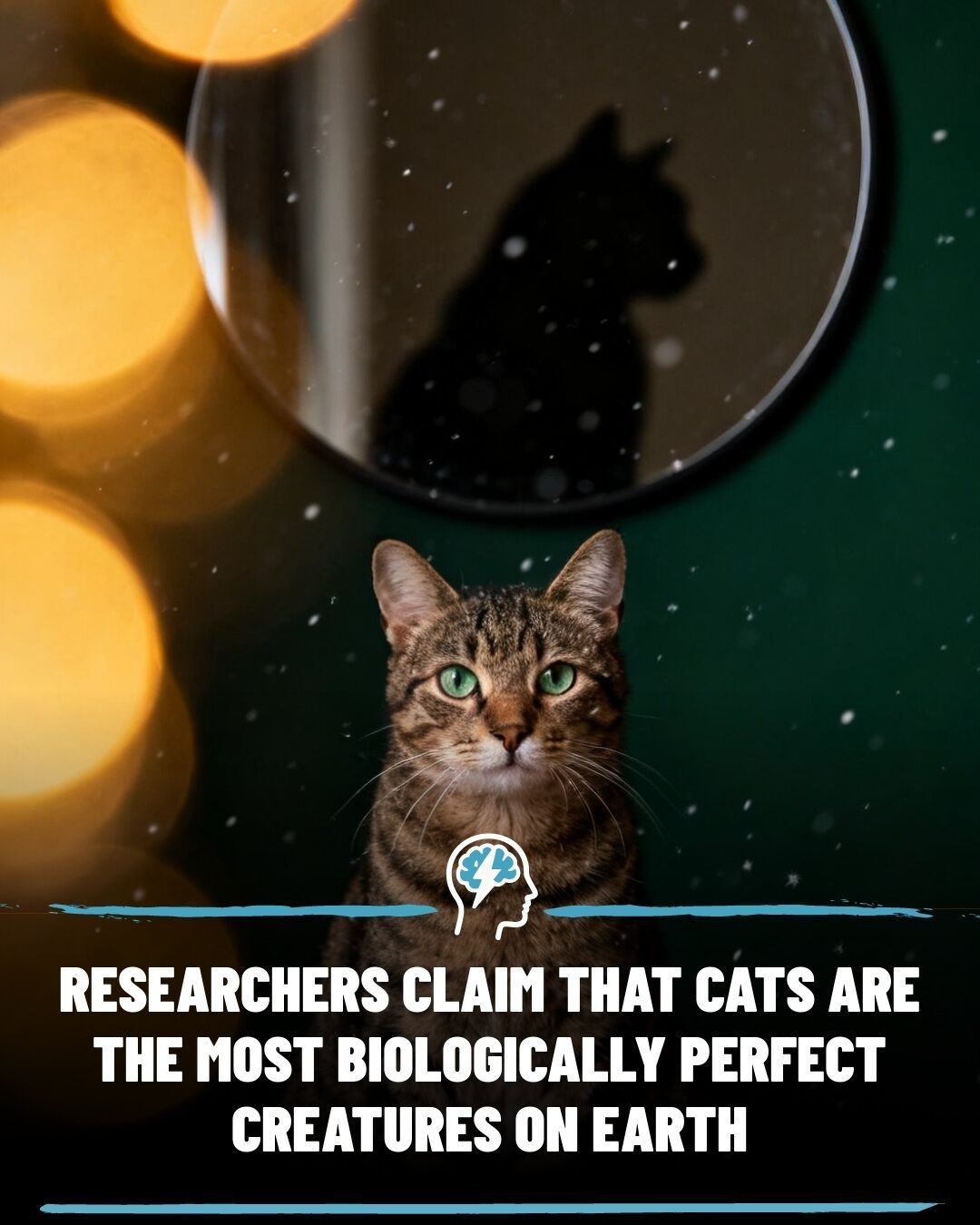
Cats Are Biologically Perfect
Cats possess extraordinary sensory abilities, particularly in low-light conditions. They can see in light levels six to eight times lower than what humans need to function. This isn't mystical; it's a result of millions of years of evolutionary adaptation.
Why This Matters
Understanding the biological advantages of cats provides insight into their behavior and the reasons behind their historical significance. Cats have been revered by various cultures, including the ancient Egyptians, who domesticated them not just for companionship, but also for their practical benefits in protecting homes and grain stores from rodents and snakes.
Main Discussion
Evolutionary Advantages of Cat Vision
Cats have three key adaptations that give them superior vision in low light:
-
Dilating Pupils: Cat pupils can dilate up to three times wider than human pupils, allowing significantly more light to enter the eye. This adaptation is crucial for enhancing visibility in dim conditions.
-
Rod Cells in the Retina: Cat retinas contain a higher concentration of rod cells, which are responsible for detecting light in low-light conditions. This increased density of rod cells allows cats to perceive shapes and movements even when light is scarce.
-
Tapetum Lucidum: This reflective layer behind the retina acts like a mirror, bouncing light back through the photoreceptors. When light hits the retina, the tapetum lucidum reflects it, giving the light a second chance to be detected. This is why cat eyes often seem to glow in photographs or when caught in the beam of headlights.
Ancient Egyptian Reverence for Cats
Ancient Egyptians had a deep reverence for cats, associating them with power and divinity. They were often depicted alongside gods and were believed to offer real, tangible benefits to communities. This reverence wasn't random; it was based on the practical advantages cats provided. Their ability to control rodent populations and protect grain stores made them invaluable.
Cats' Role in Human History
Over time, cats became symbols of power and divinity. This was not just a cultural fascination but a recognition of their inherent value. Their domestication was driven by their ability to protect homes and communities from pests, making them indispensable members of ancient societies. The reverence and respect they were given was a testament to their biological perfection and practical utility.
Practical Tips
Understanding Your Cat's Vision
- Lighting: If you have a cat, consider their vision when rearranging your home. They can navigate in very low light, but bright lights can be uncomfortable.
- Playtime: Use their superior vision to your advantage during playtime. Toys that move quickly or glow in the dark can be particularly engaging.
- Safety: Be mindful of their ability to see in the dark. This can be both a benefit and a risk, as they might navigate through your home more confidently in low light.
Important Takeaways
Biological Perfection: Cats' sensory systems, particularly their eyes, are finely tuned for low-light conditions. This gives them a significant advantage over humans in dim environments.
Historical Significance: The reverence for cats in ancient civilizations was not just symbolic but practical. Their biological advantages made them crucial for pest control and protection.
Behavior and Temperament: While individual cats may vary in behavior and temperament, their biological adaptations are consistent across the species. Understanding these adaptations can help cat owners better care for their pets.
Conclusion
Cats' ability to see in low light is a result of millions of years of evolutionary engineering. Their pupils, rod cells, and tapetum lucidum work together to make them one of the most biologically perfect creatures on Earth. This understanding not only demystifies their behavior but also highlights their historical and practical significance.
Questions readers ask
How do cats see so well in the dark?
Cats have several adaptations that enhance their low-light vision. They have a larger cornea and pupil, allowing more light into their eyes. Additionally, cats have a tapetum lucidum, a reflective layer behind their retinas that amplifies incoming light.
What makes cats' vision superior to human vision?
Cats can detect light levels up to eight times lower than humans. This is due to the unique structure of their eyes, which includes a higher concentration of rod cells designed for low-light conditions, and the tapetum lucidum, which enhances light sensitivity.
How have cats' biological adaptations historically benefited humans?
Cats have been invaluable to humans, particularly in protecting homes and grain stores from rodents and snakes. Their exceptional hunting skills, enhanced by their superior vision and hearing, have made them effective pest controllers and protectors throughout history.
What role have cats played in various cultures?
Throughout history, cats have been revered by many cultures. The ancient Egyptians, for example, domesticated cats not just for companionship but also for practical reasons, such as protecting their homes and grain stores from pests. This historical significance highlights the unique bond between humans and cats.
What are the three key adaptations that give cats superior vision?
Cats have three main adaptations for superior vision: a larger cornea and pupil, which allow more light into the eye; a higher concentration of rod cells in the retina, which are responsible for low-light vision; and a reflective layer called the tapetum lucidum, which amplifies incoming light.
How have cats evolved to become such effective hunters?
Cats have evolved to become effective hunters through a combination of sensory adaptations and physical traits. Their superior vision in low light, along with enhanced hearing and agility, make them formidable predators, enabling them to hunt efficiently in various environments.
Why do cats make excellent companions?
Cats are excellent companions due to their unique combination of independence and affection. Their historical role in protecting homes and their exceptional hunting skills have also contributed to their enduring popularity as beloved pets, making them an integral part of many households.
Related deep dives
Similar reads based on topic and creator.



Recent articles
Fresh deep dives from the latest Reels we unpacked.


Comments
Be the first to comment.