Emergency Response Cat: The Unlikely Hero
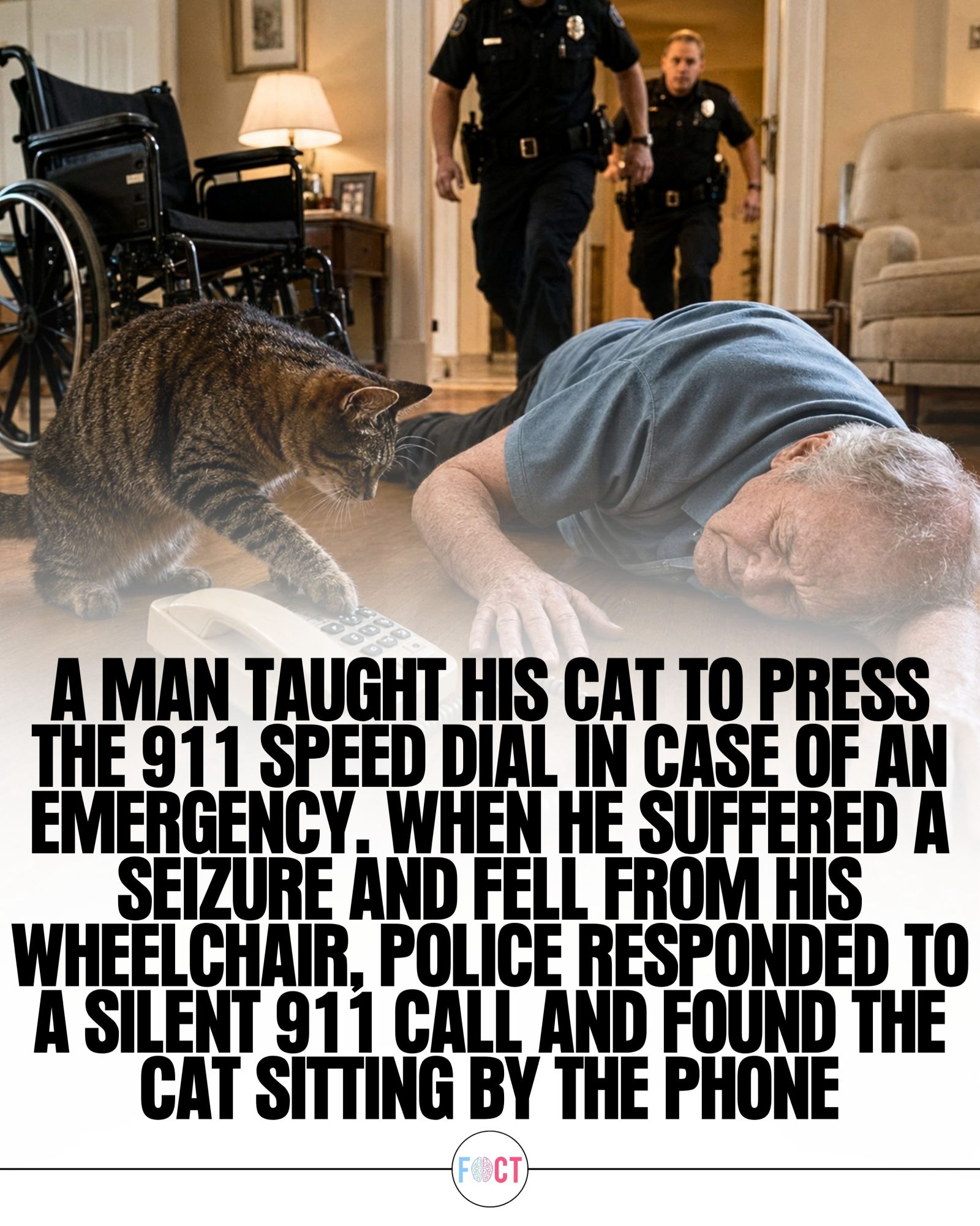
In 2006, in Columbus, Ohio, a man named Gary Rosheisen found a unique way to ensure his safety. Suffering from osteoporosis and mini-strokes, Gary trained his orange tabby cat, Tommy, to press a speed-dial button on his phone that would call 911 in case of an emergency. This remarkable story highlights the extraordinary bond between humans and their pets, as well as the innovative ways people adapt to challenging health conditions.
Why This Matters
Gary's ingenious use of a speed-dial button for emergencies underscores an often-overlooked aspect of pet training and assistance. For individuals with mobility or health issues, having a trained pet can provide an additional layer of security and peace of mind. This story also emphasizes the importance of emergency preparedness and the role that technology and creativity can play in enhancing personal safety.
Main Discussion
The Backstory
Gary Rosheisen had a unique need for a reliable emergency response system due to his health conditions. He knew that in case of a sudden medical episode, he might not be able to reach his phone. So, he decided to train his cat, Tommy, to press a speed-dial button that would call 911.
The Training
Training a cat to dial 911 is no small feat. It requires patience, consistency, and a deep understanding of the cat's behavior. Gary's approach likely involved positive reinforcement, rewarding Tommy for pressing the button correctly. This kind of training highlights the potential for cats to be taught tasks beyond traditional pet tricks, especially when tailored to specific needs.
The Emergency
One fateful day, Gary suffered a medical episode and fell from his wheelchair. Unable to reach the phone, he relied on his trained cat. Within moments, emergency dispatchers received a silent 911 call from Gary's number. Officers were sent to investigate, and upon arriving, they found Gary lying on the floor and Tommy sitting by the phone.
The Evidence
There were no other individuals in the apartment, and Gary confirmed that he hadn’t been able to make the call himself. While it's impossible to definitively prove that Tommy fully understood the situation, the evidence strongly suggested that the cat had pressed the speed dial, alerting authorities and potentially saving Gary's life.
Practical Tips
Inspired by Gary's story, here are some practical tips for creating a similar emergency response system or enhancing your own safety measures.
Train a Pet for Emergencies
If you have a pet, consider training them for basic emergency tasks. This could include teaching them to fetch a phone, press a button, or even alert you to a specific sound or alarm.
Utilize Technology
Technology can be a lifesaver. Speed-dial buttons, smart home devices, and wearable medical alert systems can all play a role in ensuring quick access to emergency services. Gary's use of a speed-dial button is a prime example of how simple technology can be invaluable.
Create a Safety Plan
Develop a comprehensive safety plan that includes your pets. This could involve setting up a system where your pet can alert authorities in case of an emergency, as well as having a clear emergency protocol for family members and caregivers.
Important Takeaways
-
Innovation in Emergency Preparedness: Gary's story demonstrates the power of creativity and innovation in addressing health concerns. People should consider unconventional methods for their safety.
-
The Role of Pets: Pets can be more than just companions; they can play a crucial role in emergency situations with the right training. This highlights the deep bond and trust between humans and their pets.
-
Technology as a Tool: Simple technological solutions, like a speed-dial button, can have a significant impact on safety and emergency response.
-
Preparation and Planning: Having a well-thought-out safety plan that includes your pets can be a lifesaver. Preparation and foresight are key to managing health issues and ensuring safety.
Conclusion
Gary Rosheisen’s story about training his cat, Tommy, to dial 911 in an emergency is a testament to the lengths people will go to ensure their safety, especially in challenging health situations. This remarkable narrative offers insights into the incredible bond between humans and their pets, the importance of emergency preparedness, and the innovative use of technology in everyday life. Whether you are adapting to a health condition or simply looking to enhance your safety measures, the lessons from this story can provide valuable guidance.
Questions readers ask
How did Gary Rosheisen train his cat to call 911?
Gary Rosheisen trained his cat, Tommy, to press a speed-dial button on his phone that would call 911. He likely used positive reinforcement, rewarding Tommy for performing the desired action, which is a common method in animal training.
What health conditions did Gary Rosheisen have?
Gary Rosheisen suffered from osteoporosis and mini-strokes, which made it difficult for him to call for help in case of an emergency.
What is the significance of the story of Tommy the cat?
The story of Tommy the cat highlights the unique bond between pets and their owners, and demonstrates how innovative training can enhance personal safety, especially for individuals with health or mobility issues.
Can other pets be trained to call 911 like Tommy?
While it's possible to train other pets to perform certain actions, not all pets may be capable of dialing 911 like Tommy. Cats, for instance, have dexterous paws and can be trained to perform specific tasks, but this level of training requires patience, consistency, and the right circumstances.
What can other pet owners learn from Gary and Tommy’s story?
Pet owners can learn about the importance of innovation and training in enhancing personal safety. For those with health issues, having a pet trained to perform emergency actions can provide an additional layer of security and peace of mind. It also emphasizes the deep bond between pets and their owners.
What would happen if Tommy pressed the 911 button accidentally?
If Tommy accidentally pressed the 911 button, emergency services in Columbus, Ohio, would likely respond to the call. To mitigate false alarms, it's important to have a clear understanding of the pet's training and ensure that the 911 button is easily accessible and safe for the pet to use.
Related deep dives
Similar reads based on topic and creator.



Recent articles
Fresh deep dives from the latest Reels we unpacked.




Comments
Be the first to comment.