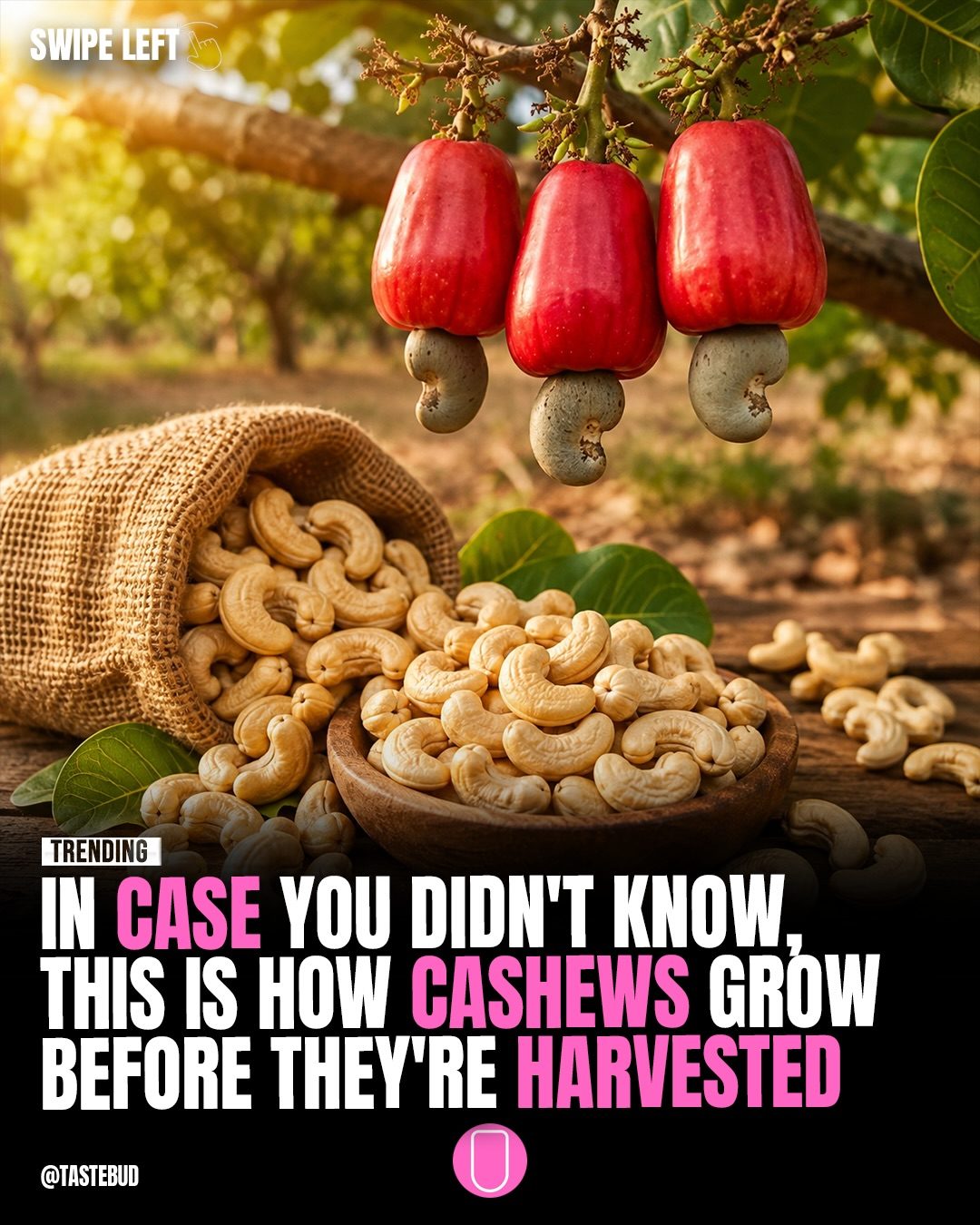
Cashew Growth: The Unique Journey from Tree to Table
Cashews are a beloved snack, known for their creamy texture and mild flavor. However, their growth process is quite unique and fascinating. Unlike many other nuts, cashews do not grow inside the fruit itself. Instead, each cashew develops inside a hard shell attached to the bottom of a fleshy structure known as the cashew apple.
Context / Why this matters
Understanding the journey of cashews from tree to table helps appreciate why they are often priced higher than other nuts. The growing and harvesting process is intricate and requires specialized handling. This insight can enhance your appreciation for cashews and inform your snacking choices.
Main discussion
The Cashew Apple: More Than a Pretty Face
The cashew apple is a distinct part of the cashew plant, often overlooked but crucial to the growth of the nut. This fleshy structure, while edible and prized in some cuisines, is primarily known for its role in protecting the developing cashew nut. Each cashew apple typically produces just one cashew, making the harvest a meticulous process. Farmers must be careful not to damage the nut during the harvesting of the cashew apple.
The Shell: A Natural Barrier
The cashew nut is encapsulated in a hard shell, which is attached to the bottom of the cashew apple. This shell contains potent irritating oils that can cause skin irritation and allergic reactions. Commercial producers use specialized processing and heat treatment to neutralize these oils before removing the edible kernel. This step is critical for ensuring the safety and quality of the cashews you enjoy.
Processing: From Tree to Table
Harvesting cashews is just the beginning. After the cashew apples are picked, the nuts are extracted and undergo a rigorous processing procedure. The hard shell is carefully removed, and the nut is roasted to neutralize the irritating oils. This process is time-consuming and requires precision to ensure that the cashew kernel is not damaged. The kernel is then packaged and prepared for distribution to grocery stores, where it eventually ends up on your snack shelf.
Practical tips
If you're curious about trying cashews in their natural form, consider purchasing raw, unshelled cashews. However, be aware that the shell contains irritating oils, so handle them with care. Always roast or heat-treat the nuts before consumption to neutralize these oils. Additionally, buying organic cashews can provide assurance that the nuts were processed using environmentally friendly methods.
Important takeaways
- Cashews grow inside a hard shell attached to the bottom of the cashew apple, not inside the fruit itself.
- The cashew shell contains potent irritating oils, requiring specialized processing and heat treatment.
- Each cashew apple typically produces just one cashew, making the harvest and processing meticulous.
- The intricate growth and processing of cashews contribute to their higher cost compared to other nuts.
Conclusion
Cashews are more than just a tasty snack; they have a unique and intricate journey from tree to table. Understanding their growth process and the steps involved in bringing them to market can enhance your appreciation for these delightful nuts. Next time you enjoy a handful of cashews, take a moment to appreciate the fascinating journey that brought them to your table.
Questions readers ask
Do cashews grow inside the cashew apple?
No, cashews do not grow inside the cashew apple. The cashew nut develops within a hard shell that is attached to the bottom of the cashew apple, which is a fleshy, apple-like structure.
How are cashews harvested from the tree?
Harvesting cashews involves carefully picking the cashew apples when they are ripe. The cashew nuts are then extracted from the hard shell that is attached to the bottom of the cashew apple. This process requires specialized handling to ensure safety and quality.
Why do cashews cost more than other nuts?
Cashews often cost more due to the intricate growth and harvesting process. The cashew nut is encased in a hard shell, which is attached to the cashew apple, and removing the nut safely requires careful handling and processing. Additionally, the cashew apple itself is not typically consumed.
What is the difference between the cashew apple and the cashew nut?
The cashew apple is the fleshy, apple-like structure that grows on the cashew tree, while the cashew nut grows inside a hard shell attached to the bottom of the cashew apple. The cashew apple is not typically consumed, while the cashew nut is the part that is enjoyed as a snack.
How are cashews processed after harvesting?
After harvesting, cashews undergo a process that includes removing the cashew nuts from the hard shell, which requires careful handling due to the presence of a caustic resin. The shells are typically heated and the cashews are carefully separated. This process ensures the final product is safe to consume and ready to be sold.
Can cashews be grown in all climates?
Cashews thrive in tropical climates and are typically grown in regions with plenty of sunshine and consistent rainfall. They are sensitive to frost and do not grow well in colder climates. This is why cashews are primarily cultivated in countries like India, Brazil, and Vietnam.
What is the significance of the hard shell on a cashew?
The hard shell on a cashew protects the nut from external damage and pests. However, it also contains a caustic resin, which makes the shelling process hazardous. This necessitates specialized equipment and careful handling to extract the cashew nut safely.
Related deep dives
Similar reads based on topic and creator.


Recent articles
Fresh deep dives from the latest Reels we unpacked.




Comments
Be the first to comment.