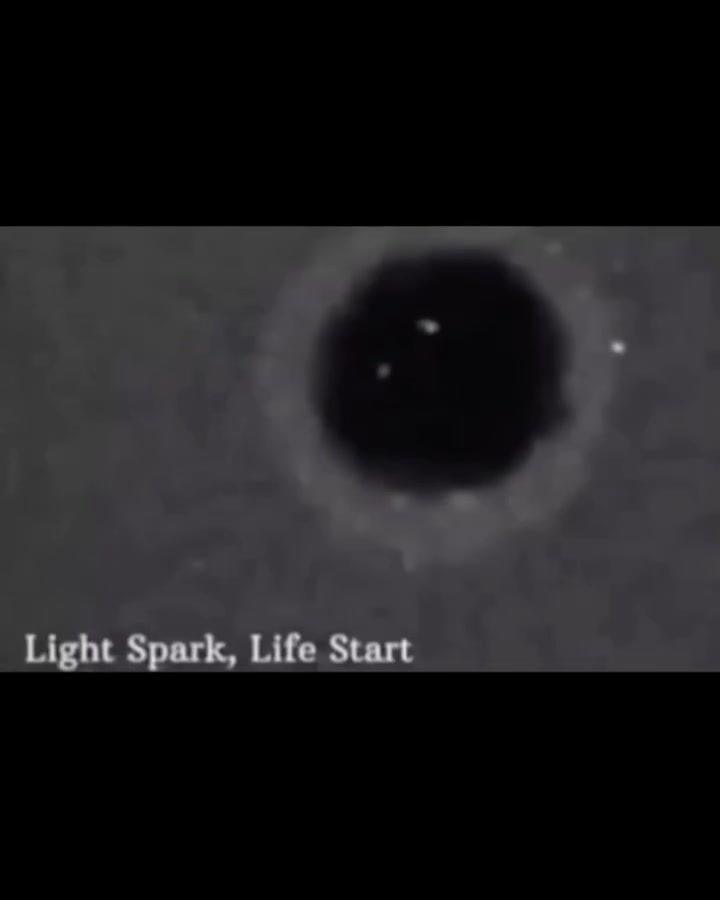
The Cosmic Spark of Life: Zinc's Role in Egg Activation
Human reproduction is a complex process, and the moment when a human egg is activated is a critical point in that process. Scientists have recently captured the precise moment when this activation begins, and it comes with a literal spark. This event, though tiny and fleeting, is a fascinating glimpse into the cosmic-like events that occur at the cellular level.
Why This Matters
Understanding the activation of a human egg is essential for advancements in fertility treatments, reproductive biology, and developmental science. The discovery of the "spark" of light provides a deeper insight into the biochemical processes that initiate life. This knowledge can help scientists develop better methods for treating infertility and improving the success rates of assisted reproductive technologies.
The Spark and Zinc Release
The Role of Zinc
The spark that scientists observe is the result of a significant release of zinc from the egg. Zinc is not just a mineral often found in multivitamins; it plays a crucial role in biological functions, particularly in cellular processes. It acts as a signaling molecule, facilitating communication between cells.
The Activation Process
When an egg is activated, it undergoes a series of chemical changes that prepare it for fertilization. One of the key events in this process is the release of zinc. This release is so sudden and dramatic that it can be visualized as a flash of light under a microscope. Special fluorescent chemicals and a microscope are used to make this invisible process visible to the human eye.
This burst of zinc is a critical signal that triggers the egg to start dividing and developing into an embryo. The "spark" is the visual representation of this chemical release, offering scientists a tangible way to study and understand this intricate process.
Practical Tips
Studying the Spark
For researchers and scientists interested in this field, the key to studying the spark is advanced microscopy and fluorescent dyes. These tools allow for the visualization of biochemical processes that would otherwise go unnoticed. Here are some practical steps to follow:
- Use Fluorescent Dyes: Specific dyes can bind to zinc and emit light when exposed to certain wavelengths. This makes the zinc release visible.
- High-Resolution Microscopy: A high-resolution microscope is essential for capturing the detailed images of the egg during activation.
- Time-Lapse Imaging: Capture the process over time to see the dynamic changes that occur during the activation. This can provide valuable insights into the timing and sequence of events.
Potential Applications
The implications of this discovery are far-reaching. Here are a few areas where this knowledge can be applied:
- Infertility Treatments: Understanding the spark can lead to more effective infertility treatments. By knowing exactly when and how the egg is activated, doctors can optimize the timing and conditions for successful fertilization.
- Embryo Development: This knowledge can also be used to study the early stages of embryo development. By understanding the initial activation process, researchers can gain insights into how the embryo develops and grows.
- Biology Education: The visual representation of the spark provides a unique teaching tool for students studying biology. It offers a tangible example of how chemical processes can lead to visible changes.
Important Takeaways
The discovery of the "spark" during egg activation highlights several key points:
- The Role of Zinc: Zinc plays a critical role in the activation of human eggs. Its release is a vital signal that initiates the process of cell division and development.
- Visualization Techniques: Advanced microscopy and fluorescent dyes are essential tools for studying this process. They allow scientists to visualize events that would otherwise be invisible.
- Potential Applications: This knowledge has widespread applications in fertility treatments, embryo development studies, and biological education. Understanding the spark could lead to significant advancements in these fields.
Conclusion
The "spark" of life—a flash of light that marks the activation of a human egg—is a remarkable phenomenon. It offers a fascinating glimpse into the intricate biochemical processes that initiate life. By studying this event, scientists can gain valuable insights into human reproduction, ultimately leading to better treatments and a deeper understanding of the fundamentals of life. The cosmic event that occurs at the cellular level is a testament to the wonders of biology and the power of scientific discovery.
Questions readers ask
What is the 'zinc spark' and when does it occur during human reproduction?
The 'zinc spark' is a brief, intense flash of light that occurs at the precise moment of egg activation. This event takes place when a sperm successfully fertilizes an egg, marking the beginning of the journey from egg to embryo.
Why is the zinc spark important in reproductive science?
The zinc spark is crucial because it serves as a key signal for the egg's activation and the initiation of the fertilization process. Studying this phenomenon can provide deeper insights into the biochemical processes involved in human reproduction, potentially leading to advancements in fertility treatments.
Which institution has conducted notable research on the zinc spark in eggs?
Northwestern University has been involved in significant research on the zinc spark in eggs. Their studies have captured the moment of egg activation, providing valuable insights into the role of zinc in this process.
How does the zinc spark impact the fertilization process?
The zinc spark plays a pivotal role in the fertilization process by signaling the egg to commence its transformation into an embryo. This spark is a crucial step in the intricate journey of human reproduction, helping scientists understand the initial stages of life.
What new insights have been gained from studying the zinc spark?
Research on the zinc spark has offered new perspectives into the activation of human eggs and the early stages of reproduction. These findings can aid in developing more effective treatments for infertility and enhance our understanding of reproductive biology.
Can the zinc spark be observed in real-time during fertilization?
Yes, the zinc spark can be observed in real-time during fertilization. Scientists have developed techniques to capture this fleeting event, providing a unique glimpse into the moment when an egg is activated and begins its journey to becoming an embryo.
How does the zinc spark relate to fertility treatments?
The zinc spark's role in egg activation offers a promising avenue for improving fertility treatments. By understanding the precise mechanisms involved in this process, researchers can develop targeted therapies to enhance fertility and overcome reproductive challenges.
Related deep dives
Similar reads based on topic and creator.


Recent articles
Fresh deep dives from the latest Reels we unpacked.




Comments
Be the first to comment.