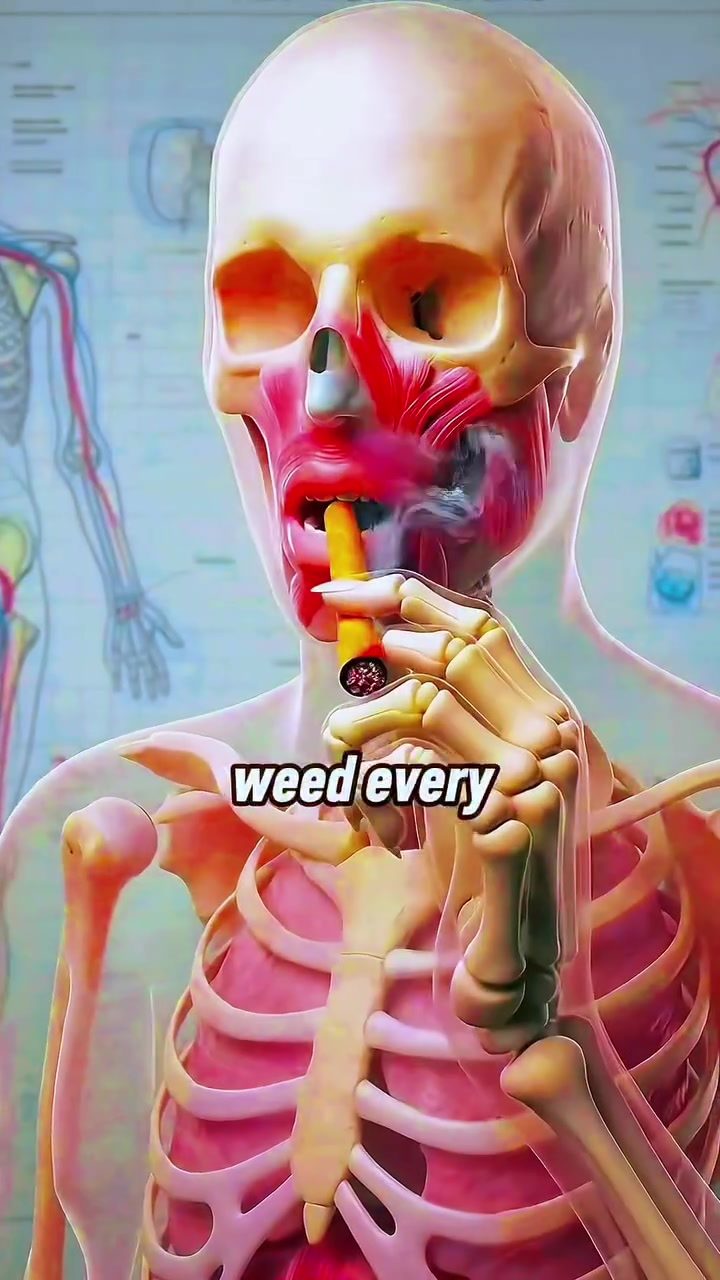
Cannabis and the Brain
Cannabis use, particularly daily smoking, has direct impacts on the brain and the body. Understanding these effects is essential for anyone considering regular use. While THC, the main psychoactive compound in cannabis, can produce euphoria, it also carries risks that should be acknowledged.
Why This Matters
Cannabis use is prevalent in various cultures and societies. With its increasing legalization and acceptance, it's crucial to grasp the potential impacts on the brain and overall health. For those who use cannabis daily, or even regularly, knowing how it affects the body can help in making informed health decisions.
Effects on the Brain and Body
Immediate Impact
When cannabis is smoked, the active ingredient, tetrahydrocannabinol (THC), enters the bloodstream and reaches the brain within minutes. THC binds to specific receptors in the brain, known as CB1 receptors, located in areas like the prefrontal cortex and hippocampus. These receptors are crucial for cognitive functions such as decision-making, memory, and learning. The immediate effects of THC include short-term euphoria and altered perception.
Long-Term Effects
Daily cannabis use can lead to several changes in the brain. Studies have shown that long-term, daily use can cause reduced volume in areas responsible for decision-making and memory, which may have potential cognitive impacts. These changes can affect one's ability to think clearly, make decisions, and remember information. Smoking cannabis daily can result in lung irritation, chronic cough, increased phlegm, and bronchitis symptoms. Chronic heavy smoking can also strain blood vessels and lead to heart risks, raising the likelihood of heart attack, heart failure, or stroke in some individuals.
Changes in Brain Structure and Function
One of the primary concerns with prolonged cannabis use is the potential for changes in brain structure and function. The brain's prefrontal cortex, which is critical for decision-making, and the hippocampus, essential for memory formation, can be particularly affected. Regular cannabis use can reduce the volume in these areas, leading to cognitive deficits. While the extent of these changes can vary widely based on genetics, age of start, and amount used, the potential risks are significant.
On-screen visual information highlights how THC affects critical brain regions, including the prefrontal cortex and hippocampus, emphasizing the direct impact on cognitive functions. Over time, these effects can accumulate, leading to more significant impairments in memory, learning, and overall cognitive performance.
Heart and Lung Risks
Daily cannabis use can elevate the heart rate and potentially strain blood vessels over time. Studies have linked heavy cannabis use to increased risks of heart attack, heart failure, and stroke. The lungs and airways are also affected, with long-term users often experiencing irritation, chronic cough, increased phlegm, and bronchitis. These symptoms mirror those seen in heavy tobacco smokers, underscoring the respiratory risks associated with frequent cannabis use.
Dependency and Mental Health
Chronic heavy cannabis use can also lead to dependency, making it difficult for some users to quit. There are also risks of developing anxiety, depression, or psychotic symptoms in vulnerable individuals. These mental health concerns can add to the overall impact of cannabis use, making it a multifaceted health issue.
Practical Tips
Moderation
Given the potential risks, moderation is key. Limiting cannabis use to occasional rather than daily can mitigate some of the long-term effects. It's also crucial to be aware of one's genetic predispositions, as these can influence how the body responds to cannabis.
Professional Advice
For those concerned about the long-term effects of cannabis use, seeking professional advice is essential. Healthcare providers can offer guidance tailored to individual needs, helping users make informed decisions about their cannabis habits. They can also provide support for quitting, if necessary, and address any underlying health concerns.
Important Takeaways
Cannabis use, particularly daily smoking, has direct and long-term impacts on the brain and body. The immediate effects of THC include euphoria and altered perception, but prolonged use can lead to changes in brain structure and function. These changes can affect cognitive abilities, memory, and decision-making. Chronic use also carries risks for the heart and lungs, including increased phlegm, bronchitis symptoms, and higher risks of heart attack, heart failure, or stroke. Additionally, there are mental health concerns, including dependency, anxiety, and depression, particularly in vulnerable individuals.
Conclusion
While cannabis use can provide temporary euphoria and altered perceptions, the long-term effects on the brain and body are significant. Understanding these impacts is crucial for anyone considering regular cannabis use. By practicing moderation and seeking professional advice when needed, individuals can make informed decisions about their cannabis habits and mitigate potential risks.
Questions readers ask
What are the primary long-term effects of daily cannabis use on the brain?
Daily cannabis use can lead to lasting changes in the brain, particularly in areas involved in memory, learning, and decision-making. Chronic use can impair cognitive functions, such as attention and memory, and may even alter brain development in adolescents and young adults, potentially impacting their future decision-making abilities.
How does THC interact with the brain and impact cognitive functions?
THC, the main psychoactive compound in cannabis, binds to cannabinoid receptors in the brain, affecting neurotransmitter release and impacting various cognitive functions. This interaction can lead to impaired memory, altered perception, and difficulties with problem-solving and decision-making, particularly in daily users.
What are the respiratory risks associated with heavy cannabis smoking?
Heavy cannabis smoking can lead to increased phlegm production, chronic bronchitis, and other respiratory issues. Regular cannabis smokers may experience symptoms such as chest tightness, wheezing, and increased susceptibility to lung infections, similar to those seen in tobacco smokers.
How does chronic cannabis use affect heart health and cardiovascular risks?
Chronic cannabis use can elevate heart rate and blood pressure, increasing the risk of heart attacks and strokes. It can also lead to cardiovascular issues, particularly in individuals with pre-existing heart conditions. Regular users may face long-term heart health risks, including a higher likelihood of developing heart disease.
Can long-term cannabis use cause memory loss and other cognitive impairments?
Long-term cannabis use, especially in youth, can lead to memory loss and other cognitive impairments. Regular users may experience difficulties with short-term memory, attention, and learning, which can impact daily life and overall cognitive function. These effects can persist even after cannabis use has been discontinued, particularly with heavy, daily use.
What are some of the potential long-term effects of cannabis on the body beyond the brain and respiratory system?
Beyond the brain and respiratory system, long-term cannabis use can impact the cardiovascular system, as previously mentioned. Additionally, it can affect mood regulation and mental health, leading to an increased risk of anxiety, depression, and psychosis in some individuals. Regular users may also experience changes in appetite and sleep patterns, further impacting overall health.
Why is it important to consider cognitive effects when evaluating the long-term impacts of cannabis?
Considering cognitive effects is crucial when evaluating the long-term impacts of cannabis because they directly influence an individual's ability to perform daily tasks, make sound decisions, and maintain overall quality of life. Impairments in cognitive functions, such as memory and decision-making, can have lasting consequences on personal and professional life, making it essential to understand and acknowledge these risks.
Related deep dives
Similar reads based on topic and creator.




Recent articles
Fresh deep dives from the latest Reels we unpacked.




Comments
Be the first to comment.