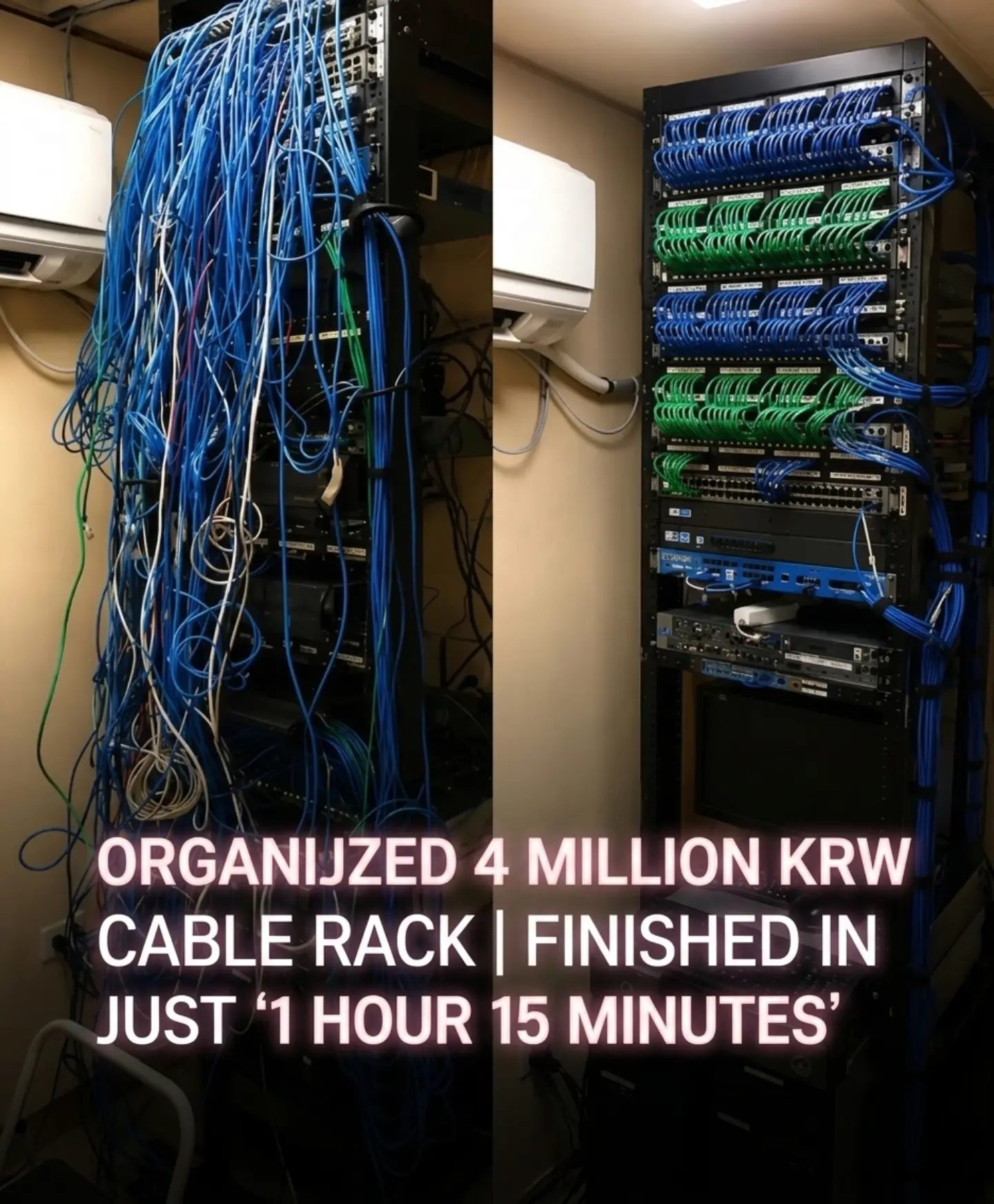
Cable Rack Organization: The Ultimate IT Glow-Up
A well-organized cable rack is more than just a tidy workspace—it is essential for optimal performance and easy maintenance in any IT or data center environment. For one organization, a chaotic mess of wires was transformed into a network masterpiece, showcasing the value of professional cable management.
Context
Why Proper Cable Management Matters
In IT and data centers, cable management is crucial for several reasons:
-
Optimal Airflow: Properly managed cables ensure that airflow is not obstructed, which helps maintain optimal temperatures for equipment. This can prevent overheating and potential equipment failure.
-
Easy Maintenance: A well-organized cable rack makes it easier to identify and troubleshoot issues. It allows technicians to quickly locate specific cables and components, reducing downtime and improving efficiency.
-
Aesthetics and Professionalism: A neat and organized cable rack contributes to a professional appearance, which can impress clients and visitors. It also makes the workspace more pleasant for employees, enhancing productivity and morale.
The Cost of Professional Cable Management
The transformation of a chaotic cable rack into an organized network masterpiece came at a cost of 4 million KRW (approximately $3,000 USD). While this might seem like a significant investment, it represents the value of expertise in cable management. Professional teams not only tidy up the cables but also ensure optimal airflow, easy maintenance, and perfect color-coding.
Main Discussion
The Transformation Process
Initial State
Before the transformation, the cable rack was a chaotic mess of wires hanging loosely. This disorganized state is common in many IT and data center environments, often due to the constant addition and removal of cables over time. The initial state not only looks unprofessional but also poses significant risks to the performance and efficiency of the network.
The Professional Touch
The professional cable management team took just 1 hour and 15 minutes to transform the chaotic cable rack into a neat and organized masterpiece. This speed and efficiency highlight the expertise and experience of the team, who know exactly what to do and how to do it.
-
Step-by-Step Organization: The process involves several steps, starting with a thorough assessment of the current state of the cables. This includes identifying which cables are active, which are redundant, and which can be removed. The team then systematically organizes the cables, ensuring that each one is properly routed and labeled.
-
Color-Coding: One of the key aspects of professional cable management is color-coding. Each type of cable (e.g., power, data, network) is labeled with a specific color, making it easy to identify and manage. This not only improves the aesthetics but also enhances functionality and maintenance.
-
Ensuring Optimal Airflow: Proper cable management ensures that there is enough space between cables to allow for optimal airflow. This is crucial for maintaining the performance and longevity of the equipment, as overheating can lead to equipment failure and downtime.
-
Ease of Maintenance: With a well-organized cable rack, it is much easier to add, remove, or troubleshoot cables. This reduces the time and effort required for maintenance, leading to improved efficiency and reduced downtime.
Practical Tips
DIY vs. Professional Cable Management
The decision to go with a professional cable management service or to take the DIY route depends on several factors. If you are considering doing it yourself, here are some practical tips to help you get started:
-
Plan Ahead: Before you start, make a plan. Identify which cables are active, which are redundant, and which can be removed. This will help you visualize the final organization and make the process more efficient.
-
Label Everything: Proper labeling is key to easy maintenance. Use labels to identify each cable and its destination. This will save you time and effort when troubleshooting or adding new cables.
-
Use Color-Coding: Color-code your cables to make it easy to identify different types of cables. For example, use blue for power cables, green for data cables, and red for network cables. This not only improves organization but also enhances functionality.
-
Ensure Optimal Airflow: When organizing your cables, make sure to leave enough space between them to allow for optimal airflow. This will help maintain the performance and longevity of your equipment.
-
Use Cable Ties and Clamps: Cable ties and clamps are essential tools for keeping your cables organized. Use them to bundle and secure cables, preventing them from getting tangled or obstructing airflow.
Tips for Professional Cable Management Services
If you decide to go with a professional service, here are some tips to ensure you get the best value for your money:
-
Choose the Right Service: Look for a service that specializes in cable management and has a proven track record. Check their portfolio and reviews to ensure they have the expertise to handle your needs.
-
Define Your Requirements: Clearly define your requirements and expectations. Let the service provider know what you need, including the type of cables, the level of organization, and any specific features you want (e.g., color-coding, labeling).
-
Get a Detailed Quote: Ask for a detailed quote that includes all costs, including labor, materials, and any additional services. This will help you avoid surprises and ensure you get the best value for your money.
-
Schedule Regular Maintenance: Regular maintenance is essential to keep your cable rack organized and efficient. Schedule regular maintenance visits with your service provider to ensure your cable rack stays in optimal condition.
Important Takeaways
-
Professional Cable Management: While the cost of professional cable management might seem high, the value of expertise and the benefits it provides (e.g., optimal airflow, easy maintenance, improved aesthetics) make it a worthwhile investment.
-
DIY Cable Management: If you are considering doing it yourself, planning, labeling, color-coding, and using the right tools are essential for a successful outcome.
-
Cost and Value: The cost of cable management is an investment in the performance, efficiency, and longevity of your IT or data center equipment. It is important to weigh the cost against the benefits and choose the option that best fits your needs and budget.
Conclusion
Whether you choose to go with a professional cable management service or take the DIY route, the benefits of a well-organized cable rack are clear. From optimal airflow to easy maintenance and improved aesthetics, proper cable management is essential for any IT or data center environment. By understanding the process, the costs, and the practical tips involved, you can ensure that your cable rack is a masterpiece of organization and efficiency.
Questions readers ask
How can proper cable management enhance data center efficiency?
Proper cable management enhances data center efficiency by ensuring optimal airflow, which helps maintain equipment at ideal temperatures and prevents overheating. This leads to reduced equipment failure and downtime. Additionally, organized cables make it easier to identify and troubleshoot issues, speeding up maintenance processes.
What are some essential tools for effective cable management?
Essential tools for effective cable management include cable ties, cable trays, and cable labels. Cable ties help bundle and secure cables, while cable trays provide a structured pathway for cables to run. Cable labels ensure that each cable is clearly marked, aiding in quick identification and troubleshooting.
Why is airflow important in cable management?
Airflow is important in cable management because it helps regulate the temperature of equipment. A well-ventilated data center can prevent overheating, which is a common cause of equipment failure. Proper cable organization ensures that airflow paths are not obstructed, maintaining a cool and efficient operating environment.
How can I transform a chaotic cable rack into an organized one?
To transform a chaotic cable rack, start by unplugging and labeling all cables to identify their purposes. Use cable ties to bundle and secure cables, and install cable trays to create a structured pathway. Finally, use labels to clearly mark each cable and group similar cables together for easy maintenance.
What are some best practices for data center cable management?
Best practices for data center cable management include using color-coded cables for easy identification, keeping cables neatly bundled and secured, and labeling all cables clearly. It's also important to avoid overcrowding cable trays and to ensure that cables do not obstruct airflow paths. Regular audits and updates to the cable management system can help maintain optimal conditions.
How does cable organization contribute to a professional workspace?
Cable organization contributes to a professional workspace by creating a neat and orderly environment. This not only improves the aesthetics but also makes it easier for IT personnel to navigate and troubleshoot issues. A well-organized workspace can enhance productivity and reduce stress, making it a more pleasant environment for employees to work in.
Recent articles
Fresh deep dives from the latest Reels we unpacked.




Comments
Be the first to comment.