Bumblebees and Flowers
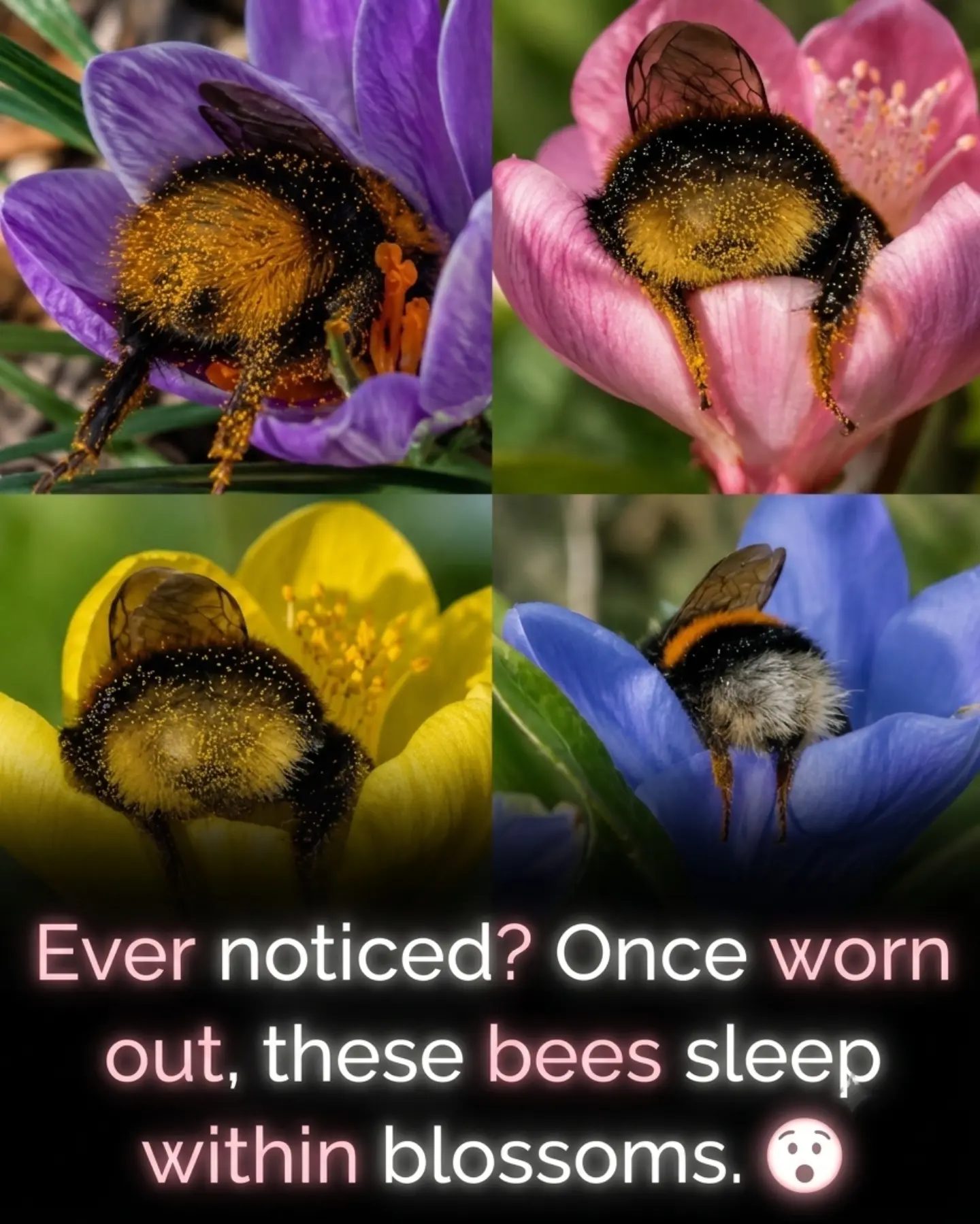
Bumblebees and flowers share a close relationship that goes beyond pollination. These fuzzy insects are often seen resting and napping within blossoms, a behavior that is both fascinating and adorable. Understanding why bumblebees nap in flowers and the benefits it provides can give us a deeper appreciation for these hardworking pollinators.
Why This Matters
Bumblebees are crucial for the ecosystem, playing a significant role in the pollination of many plants, including agricultural crops. Their behavior of napping within flowers is not just a cute sight; it also has practical implications for their survival and the health of the plants they pollinate. By understanding this behavior, we can better appreciate the intricacies of nature and perhaps even find ways to support these vital insects.
Main Discussion
Why Do Bumblebees Nap in Flowers?
Bumblebees, both male and female, often find themselves in situations where they need to rest. Hardworking bees that are out late due to the cool evening air or those that are simply exhausted from their pollination duties might not always return to the hive. Instead, they seek refuge in the safety and warmth of flowers. This behavior is particularly common in bumblebees that are caught out late in the day. The flowers provide a warm, safe, and cozy environment, shielding the bees from predators and keeping them close to their next meal.
The Benefits of Napping in Flowers
When bumblebees curl up inside the petals of flowers, they are not just finding a place to sleep; they are also benefiting from the environment created by the blossoms. Flowers offer a natural insulation that helps the bees retain heat and stay warm. This is particularly important given the energy-intensive nature of pollination work. Additionally, staying close to the flowers ensures that the bees are near their food source, ready to start foraging again when they wake up.
The Role of Flowers in Bumblebee Survival
Flowers serve as more than just a resting place for bumblebees; they are also integral to their survival. By providing a safe and warm environment, flowers help the bees conserve energy, which is crucial for their continued pollination efforts. Moreover, the close proximity to nectar and pollen ensures that the bees have a readily available food source, minimizing the amount of energy they need to expend to find sustenance. This symbiotic relationship between bumblebees and flowers highlights the interconnected nature of the ecosystem and the importance of each component in maintaining ecological balance.
Pollination and the Tiring Work of Bees
Pollination is a vital process that supports the reproduction of many plant species. Bumblebees, with their fuzzy bodies, are particularly effective pollinators. However, the process of moving from flower to flower, collecting nectar and pollen, and transferring pollen grains is tiring and energy-intensive. This is why bumblebees need to rest regularly, and flowers provide an ideal spot for them to recharge before continuing their work.
Practical Tips
Supporting Bumblebees in Your Garden
If you want to support bumblebees in your garden, consider planting a variety of flowers that bloom at different times of the year. This will provide a steady food source for the bees and encourage them to visit your garden regularly. Some good choices include:
- Wildflowers: A mix of native wildflowers can attract a variety of pollinators, including bumblebees.
- Lavender: This fragrant herb not only smells lovely but also provides a rich source of nectar for bees.
- Sunflowers: These tall, vibrant flowers are a favorite among many pollinators and can provide a steady supply of food.
Creating a Bee-Friendly Environment
In addition to planting the right flowers, there are other steps you can take to create a bee-friendly environment:
- Avoid Pesticides: Chemical pesticides can be harmful to bees and other pollinators. Opt for natural pest control methods or organic alternatives.
- Provide Water: Bees need water just like any other living creature. Consider placing a shallow dish of water in your garden for them to drink from.
- Offer Shelter: While flowers provide a place for bees to rest, you can also offer additional shelter by leaving some areas of your garden undisturbed, providing natural cover for the bees.
Important Takeaways
- Bumblebees often rest and nap inside flowers, especially when they are worn out or caught out late in the day.
- Flowers provide a safe, warm, and cozy environment for bees, helping them conserve energy and stay close to their food source.
- Pollination is a tiring process, and the ability to rest in flowers is crucial for the survival and continued work of bumblebees. Pollinators like bumblebees deserve our respect and support, given the vital role they play in the ecosystem.
Conclusion
The relationship between bumblebees and flowers is a fascinating and intricate one. By understanding why bumblebees nap in flowers and the benefits this behavior provides, we can gain a deeper appreciation for these hardworking pollinators. Supporting bumblebees in our gardens and environments can help ensure their continued health and the health of the ecosystems they support. The next time you see a bumblebee curled up in a flower, remember the important role it plays and the delicate balance of nature it helps maintain.
Questions readers ask
Why do bumblebees nap in flowers?
Bumblebees nap in flowers primarily to conserve energy and stay safe. Flowers provide a warm and protected environment, helping these insects recharge and rest before their next foraging trip. This behavior is particularly useful during cooler temperatures and at night, when their flight muscles need to stay warm and active.
How do flowers help bumblebees conserve energy?
Flowers help bumblebees conserve energy by offering a warm and sheltered space to rest. Bumblebees are ectothermic, meaning their body temperature is influenced by their surroundings. By napping in flowers, they can maintain their body heat and avoid expending energy on flight.
What are the benefits for bumblebees of napping in flowers?
The benefits for bumblebees include warmth, protection, and rest. Napping in flowers offers bumblebees a safe place to recharge and stay warm, which are crucial for their survival. Additionally, this behavior helps them avoid predators and conserve energy for their next foraging expedition.
What role do flowers play in bumblebee sleep habits?
Flowers play a vital role in bumblebee sleep habits by providing a cozy and warm space for rest. This behavior is common at night or during cooler temperatures, and helps bees maintain their body temperature. This makes flowers a critical component of bumblebee sleep habits.
How does napping in flowers benefit the ecosystem?
Bumblebees' napping behavior in flowers helps the ecosystem by ensuring these pollinators are well-rested and energetic for their foraging activities. This leads to better pollination, benefiting both native flora and agricultural crops. Proper foraging and pollination are essential for the health and sustainability of the ecosystem.
Recent articles
Fresh deep dives from the latest Reels we unpacked.




Comments
Be the first to comment.