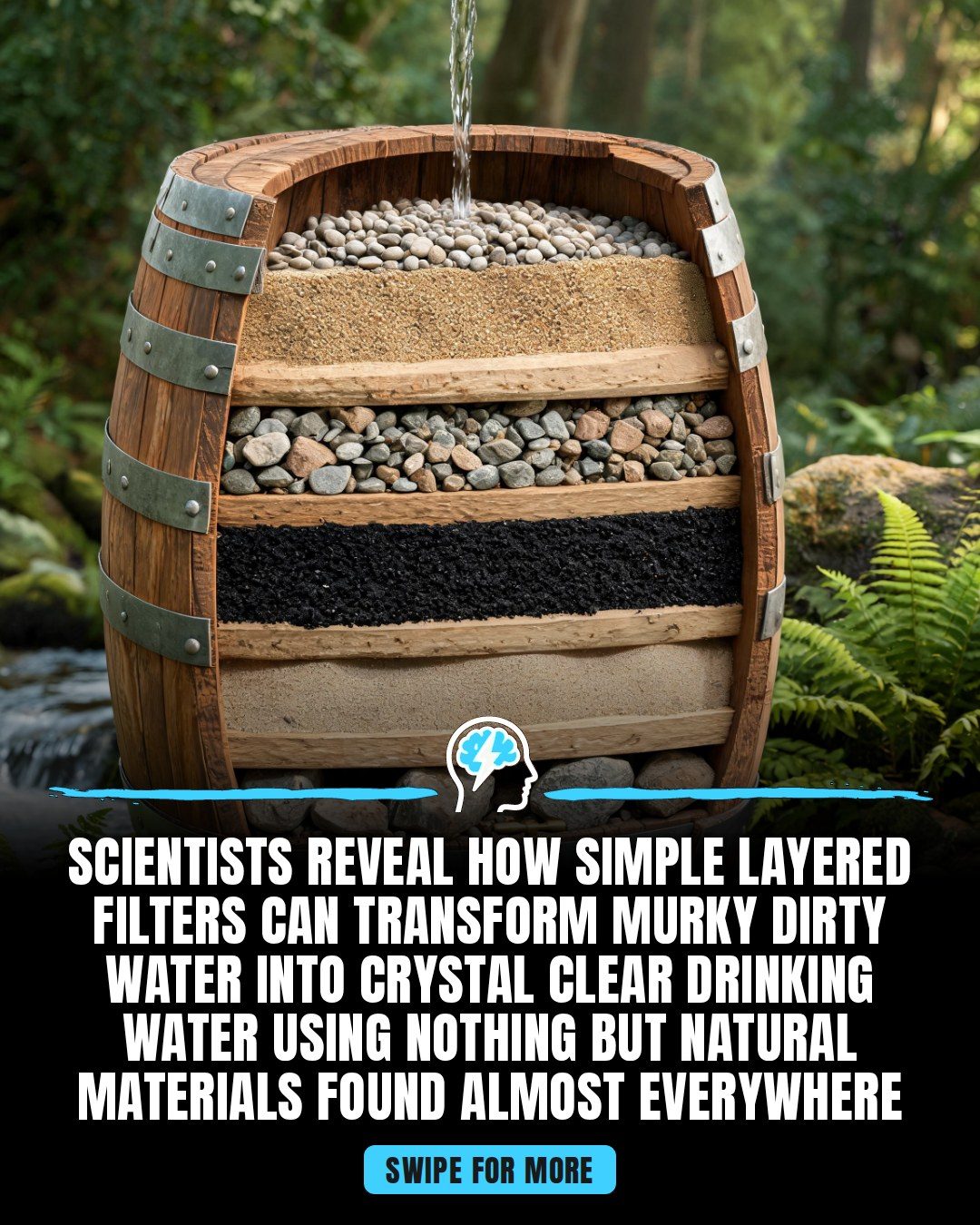
DIY Water Filter
Creating a simple and effective water filter using natural materials is a practical skill that can be useful in various situations, from camping trips to emergency preparedness. This method mimics the natural process of water filtration as it moves through soil and rock, making use of simple materials like large stones, pebbles, sand, and activated charcoal.
Why This Matters
A well-constructed DIY water filter can transform murky, dirty water into a clear, more drinkable version. While this method doesn't make water completely safe to drink on its own, it provides a useful step in the water purification process. This is particularly important for people in remote or resource-limited areas who need simple, low-tech solutions for getting clean water.
Main Discussion
The Science Behind Layered Filtration
The effectiveness of a DIY water filter lies in its layered design, each layer serving a specific purpose in the filtration process. Here's a breakdown of how the layers work:
-
Large Stones and Pebbles: These are the first line of defense. Large stones and pebbles trap heavier debris like twigs, leaves, and sediment. By catching these larger particles, they prevent the finer layers from getting clogged too quickly.
-
Fine Sand: Below the layer of large stones and pebbles, fine sand is placed to catch finer particles that slip through the larger debris. This layer is crucial for removing particles that are too small for the larger stones and pebbles to trap.
-
Activated Charcoal: This final layer handles the microscopic chemicals and impurities that can cause bad smells and tastes. Activated charcoal works through a process called adsorption, where it bonds with these microscopic chemicals, helping to remove them from the water.
Historical Context
This layered filtration method is not new. People have used it for centuries, long before the advent of modern municipal treatment plants. Many water treatment facilities today still use massive sand beds in their operations. This timeless solution has stood the test of time, proving that simple, natural materials can be incredibly effective when used correctly.
Modern Adaptation
In modern times, complex membrane systems have been developed for water filtration. However, for those in remote areas or with limited resources, a DIY water filter made from a wooden barrel is still one of the easiest ways to clear up water without expensive equipment. This method provides a straightforward and accessible solution for anyone needing clean water in challenging conditions.
Steps to Create a DIY Water Filter
To create a DIY water filter, follow these steps:
-
Gather Materials:
- A wooden barrel or a large container.
- Large stones and pebbles.
- Fine sand.
- Activated charcoal.
-
Layering the Materials:
- Start by placing a layer of large stones and pebbles at the bottom of the container. This will catch the heaviest debris.
- Add a layer of fine sand on top of the stones and pebbles. This layer will trap finer particles.
- Top it off with a layer of activated charcoal. This will remove microscopic chemicals and improve the water's taste and smell.
-
Pouring the Water:
- Slowly pour the dirty water into the top of the container. The water will filter through the layers, emerging cleaner at the bottom.
Practical Tips
Ensuring Effective Filtration
- Material Quality: Ensure that the stones, sand, and charcoal are clean and free of contaminants. The effectiveness of the filter depends on the purity of the materials used.
- Layering Order: The order of the layers is crucial. The large stones and pebbles should be at the bottom, followed by the fine sand and then the activated charcoal. This sequence ensures that the water is filtered progressively, with each layer removing different sizes of impurities.
- Maintenance: Regularly clean and replace the materials to maintain the filter's effectiveness. Over time, the layers can become clogged, reducing the filter's efficiency.
Making Water Potable
While a DIY water filter can significantly improve water clarity and remove sediment, it doesn't make the water safe to drink on its own. To ensure the water is potable, follow these additional steps:
- Boiling: Boil the filtered water for at least one minute (or three minutes at higher altitudes). This will kill most bacteria, viruses, and parasites.
- UV Exposure: Use a UV water purification system to kill microorganisms. This method is effective but requires access to a UV light source.
- Chemical Disinfection: Add a small amount of household bleach or iodine tablets to the water and let it sit for the recommended time. This will disinfect the water, making it safe to drink.
Use Cases
A DIY water filter is a versatile tool that can be used in various situations:
- Camping and Hiking: When out in nature, access to clean water is essential. A DIY water filter can provide a reliable source of water when camping or hiking.
- Emergency Preparedness: In case of natural disasters or other emergencies, having a water filter can be a lifesaver. It ensures that you have a steady supply of clean water.
- Remote or Resource-Limited Areas: For people living in areas where access to clean water is limited, a DIY water filter provides a simple and effective solution.
Important Takeaways
When constructing a DIY water filter, the key is to replicate the natural filtration process that occurs in the earth. By layering materials like large stones, sand, and charcoal, you can create an effective filtration system that improves water clarity and removes impurities. While this method doesn't make water safe to drink on its own, it provides a crucial first step in the purification process. For people in remote or resource-limited areas, a DIY water filter offers a practical and accessible solution for getting clean water.
Conclusion
A DIY water filter constructed from natural materials is a simple yet powerful tool for water purification. By layering stones, sand, and charcoal, you can transform murky, dirty water into a clearer, more drinkable version. While this method doesn't sterilize the water, it is a valuable first step for anyone needing clean water in challenging conditions. Whether you're preparing for a camping trip or stocking up on emergency supplies, a DIY water filter is a practical and effective solution.
Questions readers ask
What materials do I need to build a DIY water filter using natural materials?
To build a DIY water filter, you'll need a container to hold the layers, and several types of natural materials, including large stones or pebbles, smaller gravel, coarse sand, fine sand, and activated charcoal. These materials should be layered in the container to create a effective filtration system.
How does a DIY water filter with natural materials work?
A DIY water filter using natural materials works by mimicking the process of natural water filtration. As water passes through the layers of stones, sand, and charcoal, larger particles and impurities are trapped and removed, resulting in clearer water.
Can a DIY water filter make water completely safe to drink?
While a DIY water filter can significantly improve the clarity of water, it does not make water completely safe to drink. It's important to follow up with a water purification method, such as boiling or using purification tablets, to ensure all harmful microorganisms are eliminated.
What is the best way to layer the materials in a DIY water filter?
The best way to layer the materials in a DIY water filter is to start with the largest particles at the bottom and gradually layer smaller particles on top. Typically, you would begin with large stones or pebbles, followed by smaller gravel, coarse sand, fine sand, and finally activated charcoal at the top.
How can I use this DIY water filter for camping or emergencies?
This DIY water filter is perfect for camping or emergency situations where clean water is not readily available. Simply collect water from a natural source, pour it through the filter, and then follow up with a purification method to ensure the water is safe to drink. This can be a lifesaver in areas where potable water is scarce.
Recent articles
Fresh deep dives from the latest Reels we unpacked.




Comments
Be the first to comment.