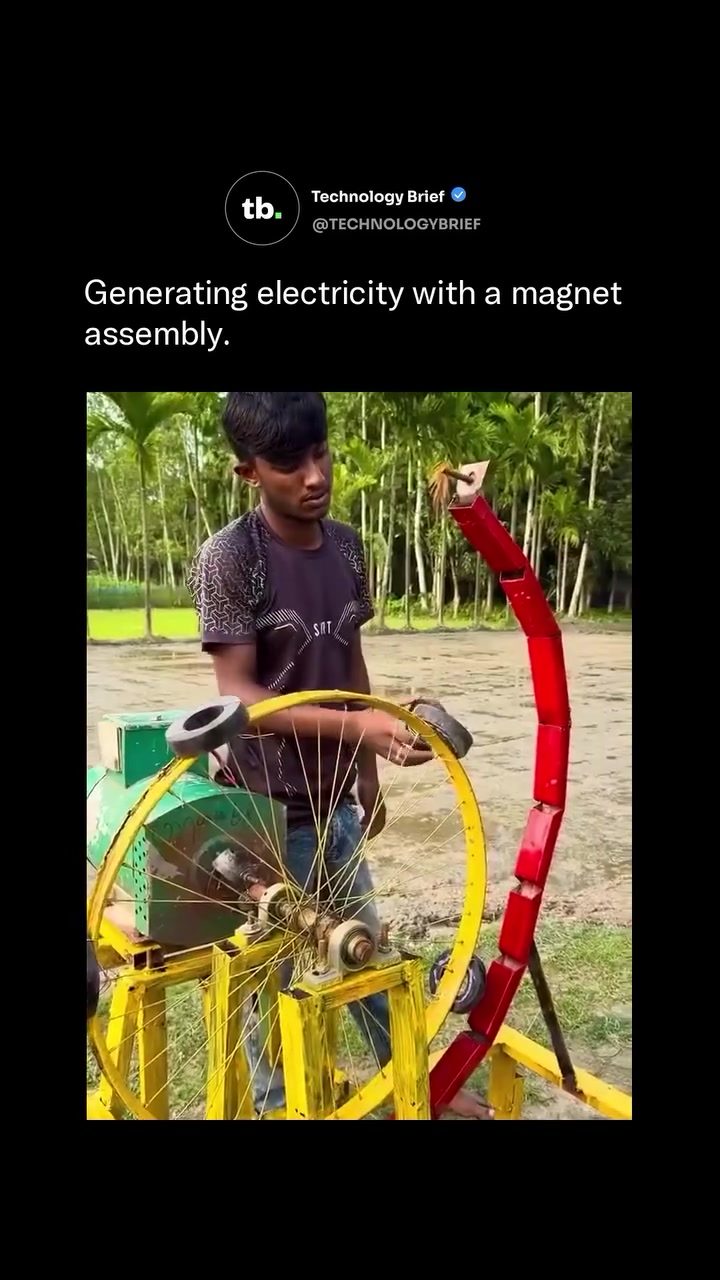
DIY Electricity Generators
DIY electricity generators provide a practical, low-cost solution for generating power in areas without reliable grid electricity. Using readily available materials like a bicycle wheel and permanent magnets, these generators harness the principle of electromagnetic induction to produce enough current to run various electrical devices. This guide explores the basics of creating a DIY bicycle-wheel generator, its applications, and practical tips for building and maintaining your own setup.
Why This Matters
In many parts of the world, access to grid electricity is either limited or non-existent. DIY electricity generators offer a sustainable and affordable alternative for powering essential devices. This setup not only reduces dependence on traditional power sources but also encourages self-sufficiency and innovation.
Main Discussion
Understanding Electromagnetic Induction
The core principle behind DIY bicycle-wheel generators is electromagnetic induction. This phenomenon occurs when a moving magnetic field interacts with a coil of wire, forcing electrons to flow through the wire and generating an electric current. This is the same principle used in large-scale power plants, making it a reliable method for generating electricity.
Components of a DIY Electricity Generator
Magnetic Assembly
The magnetic assembly is a crucial component of the generator. It consists of a segmented arc lined with magnetic rings that press against a freewheel bicycle wheel. This setup ensures that the wheel spins fast enough to produce a usable electric current. The magnetic rings create a magnetic field that induces an electric current in the coils as the wheel rotates.
Bicycle Wheel
A freewheel bicycle wheel serves as the rotating component of the generator. It is mounted on a stand, allowing it to spin freely. The wheel's rotation is driven by the magnetic assembly, which creates the necessary motion to generate electricity. The wheel's design ensures that it can spin at a high speed, which is essential for producing a sufficient electric current.
Building the Generator
Step-by-Step Guide
- Gather Materials: You will need a freewheel bicycle wheel, a segmented arc, magnetic rings, a coil of wire, and basic hardware such as screws and bolts.
- Assemble the Magnetic Rings: Attach the magnetic rings to the segmented arc, ensuring they are securely fastened.
- Mount the Bicycle Wheel: Fix the bicycle wheel to a stand, allowing it to spin freely.
- Connect the Magnetic Assembly: Position the segmented arc with magnetic rings against the bicycle wheel, ensuring it presses firmly against the wheel.
- Wire the Coil: Connect the coil of wire to the magnetic assembly, ensuring it is properly arranged to capture the magnetic field generated by the rotating wheel.
- Test the Setup: Once assembled, test the generator by spinning the wheel manually. If everything is set up correctly, you should be able to measure an electric current flowing through the wire.
Applications of DIY Electricity Generators
DIY electricity generators have several practical applications, especially in areas where grid electricity is unreliable or unavailable. These generators can power a variety of devices, including:
- Water Pumps: The generator can power a water pump, providing a reliable source of water for irrigation or household use.
- Lights: Small generators can be used to power LED lights, providing illumination in off-grid areas.
- Battery Chargers: The generated current can be used to charge batteries, which can then power various electronic devices.
Practical Tips
Maximizing Efficiency
To maximize the efficiency of your DIY electricity generator, consider the following tips:
- Use High-Quality Magnets: Stronger magnets will produce a more powerful magnetic field, resulting in a higher electric current.
- Optimize Coil Design: Ensure the coil is properly wound and positioned to capture the maximum magnetic flux.
- Maintain Wheel Alignment: Make sure the bicycle wheel is properly aligned and spins freely to minimize friction and maximize rotation speed.
Safety Precautions
When building and operating a DIY electricity generator, safety should be a top priority. Here are some safety tips to keep in mind:
- Protective Gear: Always wear protective gear, including gloves and safety glasses, when handling magnets and electrical components.
- Secure Connections: Ensure all electrical connections are secure to prevent short circuits and electrical hazards.
- Avoid Overloading: Do not connect devices that draw more power than the generator can handle to prevent overheating and potential damage.
Maintenance
Regular maintenance is crucial for the longevity and efficiency of your DIY electricity generator. Here are some maintenance tips:
- Check Magnets: Periodically inspect the magnetic rings for signs of wear or damage and replace them if necessary.
- Clean the Coil: Keep the coil clean and free of debris to ensure optimal performance.
- Lubricate the Wheel: Regularly lubricate the bicycle wheel to minimize friction and ensure smooth rotation.
Important Takeaways
DIY electricity generators offer a practical and cost-effective solution for generating power in off-grid areas. By understanding the principles of electromagnetic induction and using readily available materials, you can build a functional generator to power various devices. Regular maintenance and safety precautions are essential for the efficient and safe operation of your generator.
Conclusion
DIY electricity generators provide a sustainable and affordable way to generate power in areas without reliable grid electricity. By harnessing the principles of electromagnetic induction and using simple components like a bicycle wheel and magnets, you can create a functional generator capable of powering essential devices. Whether for irrigation, lighting, or charging batteries, these generators offer a versatile and practical solution for off-grid power needs.
Questions readers ask
How does a bicycle wheel generator produce electricity?
A bicycle wheel generator produces electricity through electromagnetic induction. When the wheel is in motion, the permanent magnets attached to it pass by coils of wire, inducing an electric current in the wire. This current can then be harnessed to power various devices.
What are the benefits of using a DIY bicycle wheel generator for off-grid power?
DIY bicycle wheel generators are a cost-effective solution for off-grid power generation. They are easy to build using readily available materials and provide a sustainable way to power devices in remote or off-grid locations, reducing dependence on traditional power sources.
What materials are typically required to build a DIY bicycle generator?
To build a DIY bicycle generator, you will need a bicycle wheel, permanent magnets, copper wire, and a rectifier to convert the alternating current (AC) to direct current (DC). Additional materials may include a voltage regulator and a storage battery to stabilize and store the generated power.
Can a bicycle generator power all types of devices?
A DIY bicycle generator can power a variety of low-wattage devices, such as LED lights, small appliances, and portable electronics. However, the power output is typically limited, making it unsuitable for high-energy devices like refrigerators or power tools. It is best suited for running essential, low-power devices.
How can I maximize the power output of my DIY bicycle wheel generator?
To maximize the power output of your DIY bicycle wheel generator, ensure that the magnets are strongly aligned and securely attached to the wheel. Use a higher number of turns in the coil wire, which increases the voltage and current produced. Regularly maintain the generator to keep it running efficiently.
What kind of maintenance does a DIY bicycle wheel generator require?
Maintenance of a DIY bicycle wheel generator involves regularly checking the tightness of the magnets and the condition of the wires to ensure they are not frayed or damaged. Keeping the wheel and components clean and free of debris will also help maintain optimal performance.
Recent articles
Fresh deep dives from the latest Reels we unpacked.




Comments
Be the first to comment.