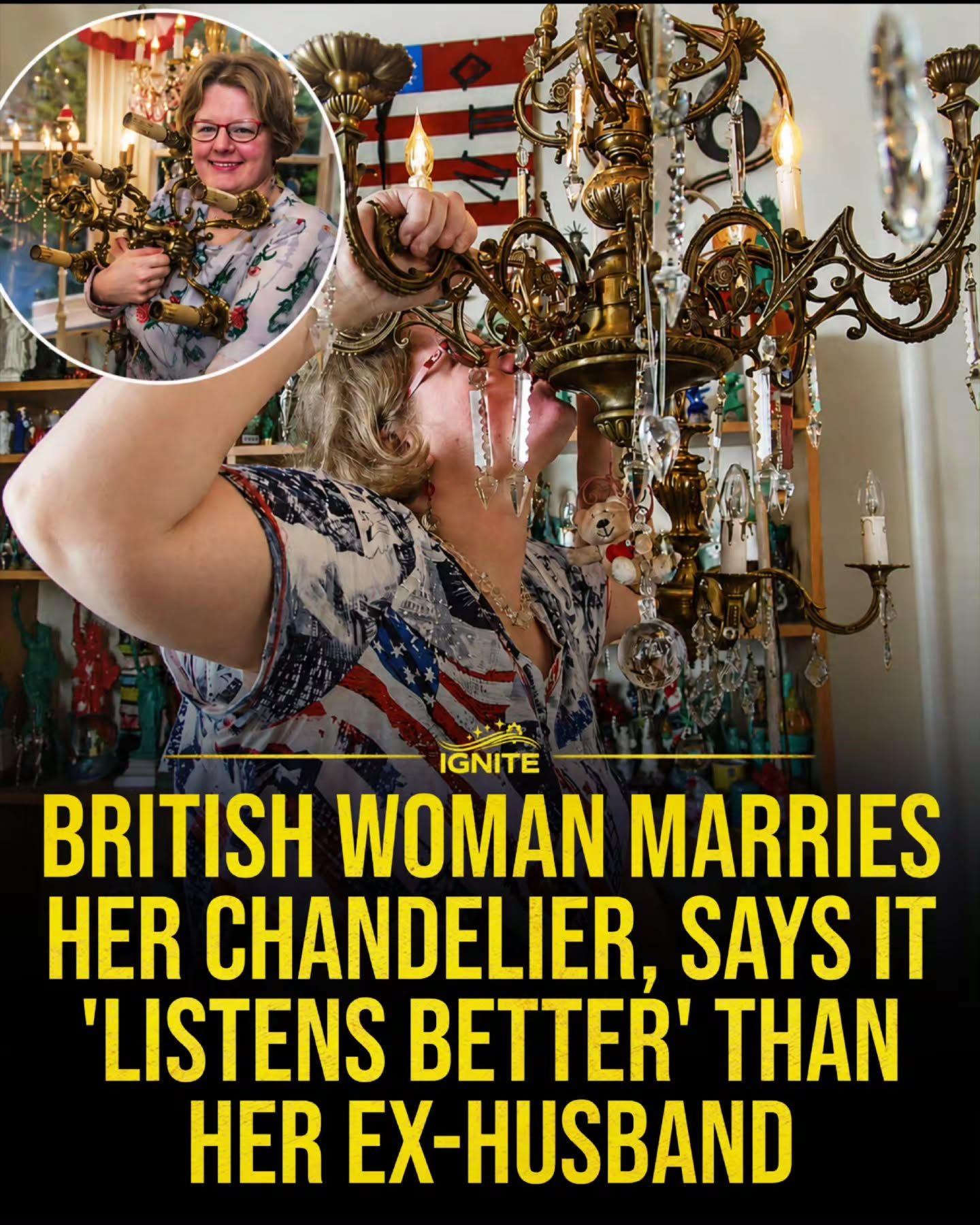
Unusual Marriage: A British Woman and Her Chandelier
A British woman recently grabbed headlines for her unconventional marriage to a chandelier. Her claims of a stronger emotional connection with the chandelier over her former husband ignited significant debate about love, attachment, and unconventional relationships. While it might seem far-fetched, the story prompts considerations about emotional connections and the nature of love.
Context: Why This Matters
The idea of marriage is deeply rooted in traditions that have evolved over centuries. Typically, marriage is a union between two consenting adults, but this story challenges the conventional boundaries. It raises questions about what constitutes a meaningful emotional connection and the roles of attachment and companionship in relationships. Understanding the psychological and social implications of such extreme forms of attachment can provide insights into human behavior and emotional needs.
The Story: A Woman and Her Chandelier
The story centers around a British woman who claimed to have "married" her favorite chandelier. She asserted that she felt a deeper emotional connection with the chandelier than with her ex-husband. This claim is both intriguing and perplexing, as it defies traditional notions of what a meaningful relationship should be.
Emotional Connections and Relationships
According to the woman, the chandelier was a better listener than her ex-husband. This statement underscores a fundamental aspect of emotional connections—communication. Effective communication is crucial in any relationship, and feeling heard and understood is a key component of a healthy bond. The chandelier, being an inanimate object, cannot engage in verbal communication, yet it somehow provided this woman with a sense of being heard, which her ex-husband did not. While unusual, it emphasizes the importance of emotional listening and validation in relationships.
Unconventional Relationships
The concept of unconventional relationships has gained traction in recent years, with people exploring various forms of relationships that go beyond traditional couples. This includes non-monogamous relationships, polyamory, and even platonic marriages. The idea of marrying an inanimate object, though extreme, can be seen as an extension of this trend. It highlights the diversity of human experiences and the various ways people seek emotional fulfillment.
The Psychological Perspective
The psychological implications of such an attachment are multifaceted. From a psychological standpoint, people often form attachments to objects when they provide a sense of comfort, security, and emotional support. This phenomenon is not uncommon and can be seen in various forms, from sentimental objects to pets. However, the idea of marrying an object takes this concept to a new level, suggesting a deeper emotional and potentially psychological dependency.
Emotional Attachment and Dependency
Emotional attachment can evolve into dependency in extreme cases. The woman’s strong emotional connection with the chandelier may indicate a need for unconditional support and listening, which she felt her ex-husband could not provide. This dependency on an inanimate object, while unusual, can be a coping mechanism for emotional needs that are not being met in human relationships. This highlights the importance of understanding and addressing emotional needs in relationships to prevent such extreme forms of attachment.
Mental Health Considerations
The story also raises questions about mental health. Extreme emotional attachments to inanimate objects can sometimes indicate underlying mental health issues, such as depression, anxiety, or personality disorders. While it is not appropriate to diagnose the woman in question, her story underscores the importance of addressing mental health issues and providing adequate support for individuals who may be struggling with emotional attachments and relationships.
Practical Tips
While the idea of marrying a chandelier is far-fetched, there are practical tips that can be drawn from this story to help improve emotional connections and relationships.
Communicate Openly
Effective communication is key to any healthy relationship. Ensuring that your partner feels heard and understood is crucial. Listening actively and empathetically can help build stronger emotional bonds.
Seek Emotional Support
If you find yourself feeling emotionally unfulfilled, consider seeking support from friends, family, or a mental health professional. Sometimes, talking to a professional can help address underlying issues and improve emotional wellness.
Address Mental Health Issues
If you or someone you know is struggling with emotional attachments and relationships, it is important to address any underlying mental health issues. Seeking professional help can provide the necessary support and guidance to navigate these challenges.
Important Takeaways
The story of a British woman marrying her chandelier is a stark reminder of the complexities of human emotions and relationships. It highlights the importance of emotional connections, communication, and support in relationships. While the idea of marrying an inanimate object is extreme, it underscores the need for meaningful and fulfilling emotional bonds. It also emphasizes the importance of addressing mental health issues and seeking support when needed.
Conclusion
The concept of marriage and emotional relationships is multifaceted and evolving. The story of a British woman marrying her chandelier, while unusual, offers insights into the nature of emotional attachments, the importance of communication, and the need for emotional support. Whether it's through human interactions or unconventional means, fostering meaningful emotional connections is crucial for emotional well-being. This story serves as a reminder to cherish the emotional connections in our lives and seek support when needed.
Questions readers ask
What prompted the British woman to marry a chandelier instead of a human partner?
The woman felt a stronger emotional connection with the chandelier than with her former husband. This decision reflected her perspective on what constitutes a meaningful relationship, challenging traditional views on love and companionship.
How has the public reacted to the news of the chandelier marriage?
The public reaction has been mixed, with many people debating the boundaries of relationships and the nature of love. While some support her unconventional choice, others question the validity of emotional connections with inanimate objects.
What does this marriage say about the evolving definitions of love?
This marriage encourages a re-evaluation of traditional love definitions. It suggests that emotional connections can form with non-human entities, expanding the boundaries of what is considered a meaningful relationship.
Can emotional connections with inanimate objects be as valid as human relationships?
The validity of such connections is subjective and depends on personal experiences. For the British woman, her emotional connection with the chandelier is genuine and meaningful, even if others do not share the same perspective.
What are the implications of this marriage on traditional notions of marriage and companionship?
This marriage challenges the centuries-old tradition of marriage between two consenting adults. It prompts discussions on whether emotional connections and companionship can exist outside of human partnerships, encouraging a broader view of love.
What potential benefits or drawbacks might come from this unconventional relationship?
Benefits may include a deeper understanding of personal emotional needs and an expanded view of love. Drawbacks could include social stigma, misunderstandings from others, and potential isolation from traditional support systems.
Related deep dives
Similar reads based on topic and creator.



Recent articles
Fresh deep dives from the latest Reels we unpacked.




Comments
Be the first to comment.