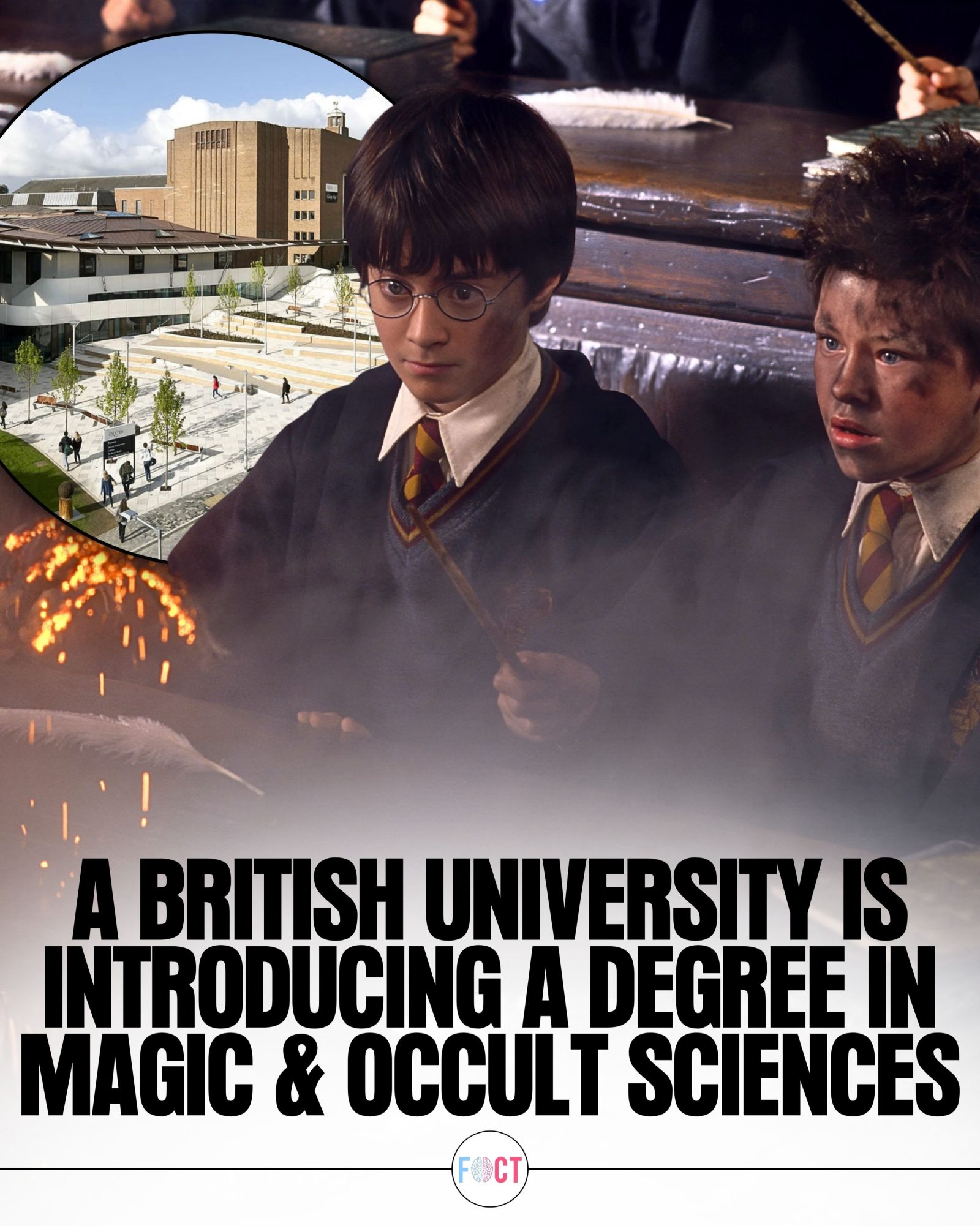
University Degree in Magic and Occult Sciences
The University of Exeter has launched the United Kingdom's first postgraduate degree in Magic and Occult Sciences, marking a significant step in the academic world. This unique Master of Arts (MA) program, set to begin in September 2024, is housed within the College of Humanities. The program aims to explore how magic, witchcraft, and esoteric traditions have influenced Western and global cultures.
Why This Matters
The introduction of this degree reflects a broader cultural shift towards increased interest in occult and magical practices. Over the past decade, surveys have noted a rising fascination with tarot, astrology, crystals, and folk magic, particularly among younger adults. This trend is supported by a 2022 Pew Research study, which found that around 30 percent of American adults believe in astrology, with similar figures in the UK. This growing interest highlights the relevance of studying these practices in an academic setting.
A Unique Academic Path
Interdisciplinary Approach
The MA program in Magic and Occult Sciences at the University of Exeter is unique in its interdisciplinary approach. It draws from a variety of fields, including history, archaeology, sociology, philosophy, and religious studies. This comprehensive approach allows students to examine the influence of magic and occult practices on various aspects of society, including science, medicine, gender politics, and colonial history.
Serious Academic Study
Unlike many popular portrayals of magic and occult practices as merely fringe curiosities, the University of Exeter's program treats them as serious objects of academic study. By doing so, the program aims to bridge the gap between cultural interest and academic rigor. This approach not only validates the significance of these practices but also encourages a deeper understanding of their historical and societal impact.
Cultural and Academic Demand
Responding to Student Demand
The launch of this degree is a direct response to the growing demand from students interested in studying these traditions with academic rigor. Course leader Professor Emily Selove noted that there has been a significant interest among students who wish to explore these topics in a structured academic environment. This demand underscores the relevance and importance of such a program in today's academic landscape.
Broader Cultural Shift
The increasing popularity of occult and magical practices is not just a passing trend but a broader cultural shift. The interest in these practices is not limited to younger adults but is also reflected in various media and cultural expressions. This shift is evident in the rising popularity of books, movies, and television shows that explore magical and occult themes, further highlighting the cultural relevance of these subjects.
Practical Tips for Aspiring Students
If you are considering pursuing a degree in Magic and Occult Sciences, here are some practical tips to help you get started:
Research the Curriculum
Before applying, thoroughly research the curriculum to ensure it aligns with your interests. Look for courses that delve into the historical, cultural, and societal aspects of magic and occult practices. Understanding the course structure will help you make an informed decision.
Explore Related Fields
Given the interdisciplinary nature of the program, it can be beneficial to explore related fields such as history, archaeology, sociology, and religious studies. This will provide a solid foundation and enhance your understanding of the subject matter.
Engage with the Community
Join online forums, attend workshops, and engage with communities interested in magic and occult practices. This will not only enrich your knowledge but also provide networking opportunities with like-minded individuals and professionals in the field.
Develop Critical Thinking Skills
Since the program treats these practices as serious objects of academic study, developing strong critical thinking skills is essential. This will enable you to analyze and interpret the information critically, contributing to a more nuanced understanding of the subject.
Important Takeaways
The launch of the MA program in Magic and Occult Sciences at the University of Exeter is a significant milestone in the academic world. It reflects a growing cultural interest in these practices and provides a structured, interdisciplinary approach to studying them. By treating magic and occult practices as serious academic subjects, the program bridges the gap between cultural curiosity and academic rigor.
Conclusion
The introduction of a degree in Magic and Occult Sciences at the University of Exeter is a testament to the evolving academic and cultural landscape. As interest in these practices continues to grow, academic programs like these will play a crucial role in understanding and validating their significance in society. Whether you are a student considering this degree or someone interested in the subject, this program offers a unique opportunity to delve deep into the fascinating world of magic and occult sciences.
Questions readers ask
What is the University of Exeter's new postgraduate degree in Magic and Occult Sciences?
The University of Exeter has introduced a new Master of Arts (MA) program focusing on Magic and Occult Sciences. This interdisciplinary postgraduate degree explores the historical and cultural impact of magic, witchcraft, and esoteric traditions on Western and global societies. It is set to commence in September 2024 within the College of Humanities.
Who is the target audience for the Magic and Occult Sciences degree at the University of Exeter?
This program is designed for postgraduate students who have completed an undergraduate degree and are interested in exploring the academic study of magic and occult practices. It is particularly relevant for individuals who have a keen interest in the historical and societal impact of these subjects, as well as those who want to engage in rigorous, interdisciplinary research in the field.
What topics does the Magic and Occult Sciences program cover?
The curriculum covers a wide range of topics, including the historical and societal impact of magic, witchcraft, and esoteric traditions. Students will delve into how these practices have influenced Western and global cultures, and explore themes such as tarot, astrology, crystals, and folk magic. The program also provides a comprehensive overview of the esoteric traditions and their influence on various cultural movements.
What makes the University of Exeter's Magic and Occult Sciences program unique?
This program stands out as the first of its kind in the United Kingdom, offering a structured, academic approach to a subject often overlooked in traditional academic settings. The program combines historical analysis with contemporary relevance, making it a pioneering initiative in the field of magic and occult studies. It also reflects a growing cultural interest in these topics, particularly among younger adults.
What career opportunities might graduates of this program pursue?
Graduates from the Magic and Occult Sciences program can explore various career paths, including roles in academia, research, and cultural institutions. They might also venture into fields such as publishing, journalism, and media, focusing on topics related to magic, occultism, and esoteric traditions. Additionally, they could work in museums, libraries, or cultural heritage organizations, contributing to the dissemination and preservation of knowledge in this field.
What is the significance of the University of Exeter offering a Master's degree in Magic and Occult Sciences?
By introducing this degree, the University of Exeter is responding to a growing cultural trend and academic interest in magic and occult practices. This program validates the legitimacy of these subjects as areas of serious study, providing a platform for rigorous academic inquiry and research. Additionally, it offers students the opportunity to engage with these topics in a structured, interdisciplinary setting, fostering a deeper understanding of their historical and societal contexts.
Related deep dives
Similar reads based on topic and creator.



Recent articles
Fresh deep dives from the latest Reels we unpacked.




Comments
Be the first to comment.