Mt. Fuji: Aerial Perspectives of Japan’s Iconic Peak
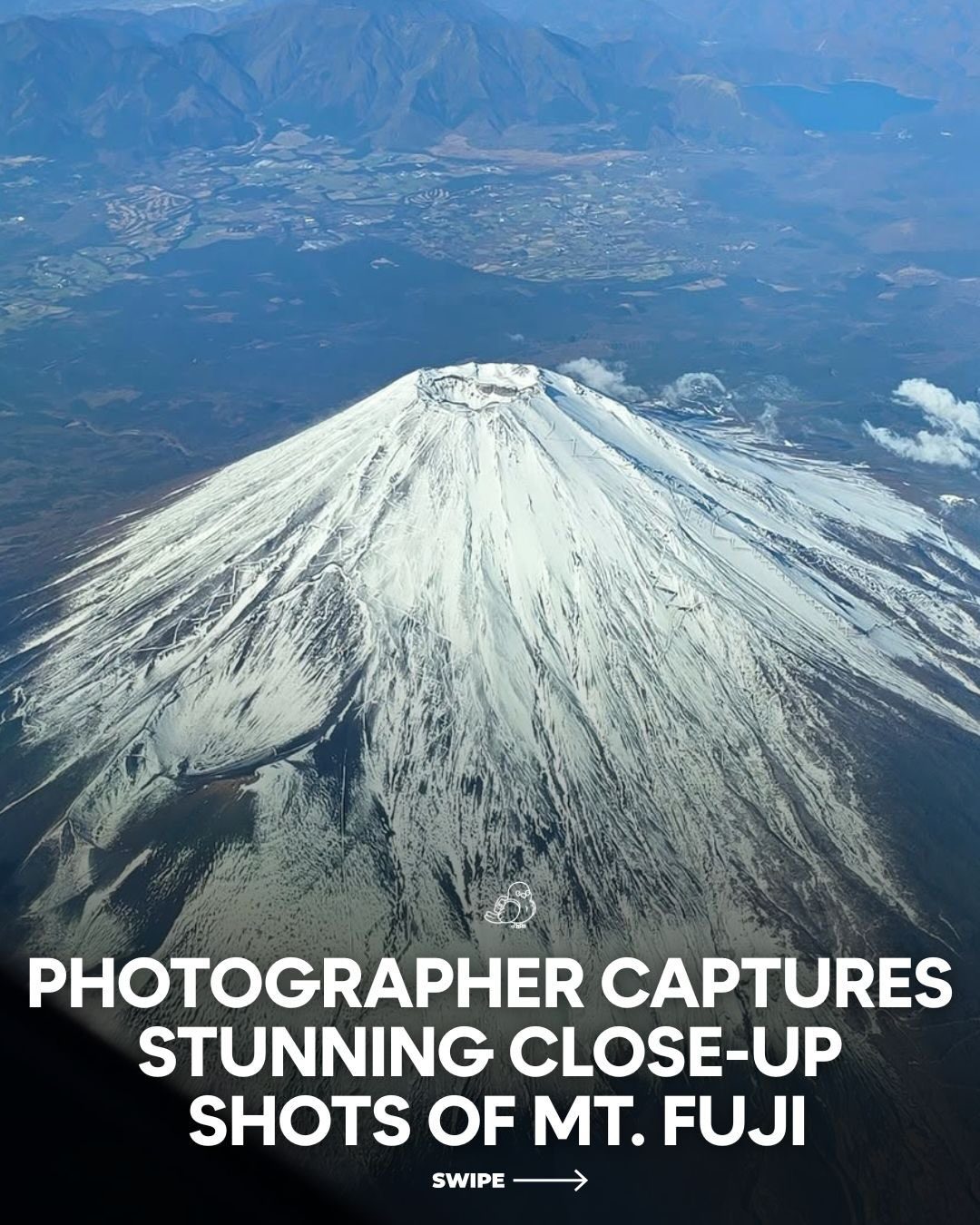
Mount Fuji, Japan’s tallest and most iconic peak, stands at an impressive 3,776 meters. Its dramatic landscape and intricate details make it one of the world’s most photographed natural wonders. A recent series of aerial photographs captured by a talented photographer bring out the rarely visible aspects of the mountain, offering a new perspective on its beauty.
Why This Matters
Mount Fuji is more than just a mountain; it is a symbol of Japan. Its perfect conical shape and snow-capped peak are instantly recognizable globally. Understanding the various perspectives and details of this iconic landmark can enhance the appreciation for its natural beauty and cultural significance.
The Beauty of Mt. Fuji
Layered Volcanic Ridges
One of the most striking features of Mount Fuji captured in the aerial photographs is its layered volcanic ridges. These ridges are a result of the mountain’s volcanic origins and give it a unique, almost otherworldly appearance. The layers are clearly visible from above, providing a sense of the mountain’s geological history and the forces that shaped it.
Snow-Dusted Textures
The summit of Mount Fuji is often covered in a dusting of snow, even during the warmer months. Aerial photography captures these snow-dusted textures beautifully, highlighting the contrast between the white snow and the darker volcanic rock. This contrast adds depth and dimension to the images, making them truly breathtaking.
The Surrounding Landscape
While Mount Fuji is the star of the show, the surrounding landscape is equally impressive. Aerial photographs provide a broader perspective, showing the mountain in relation to the surrounding forests, rivers, and distant peaks. This context emphasizes the grandeur of Mount Fuji and its dominance over the landscape.
Practical Tips
Choosing the Right Time for Aerial Photography
The best time to capture aerial photographs of Mount Fuji is during the early morning or late afternoon. This is when the sun is at a lower angle, casting dramatic shadows and enhancing the textures of the mountain. Additionally, the light during these times is softer, which can help to reduce harsh contrasts and bring out the details of the landscape.
Using the Right Equipment
Aerial photography requires specialized equipment, including a high-quality drone and camera. A drone with a stable flight and good battery life is essential for capturing smooth and steady footage. The camera should have a high-resolution sensor and be capable of shooting in RAW format, which allows for greater flexibility in post-processing.
Post-Processing Techniques
Post-processing is a crucial step in aerial photography. Techniques such as adjusting the white balance, contrast, and saturation can help to bring out the best in the images. Additionally, using tools like Adobe Lightroom or Photoshop can help to enhance the details and textures of the mountain, making the photographs even more striking.
Weather Conditions
Weather conditions play a significant role in aerial photography. Clear skies and minimal wind are ideal for capturing sharp and detailed images. However, overcast conditions can also create a unique and moody atmosphere, adding depth and complexity to the photographs. It’s important to check the weather forecast before planning a shoot and to be prepared for changing conditions.
Safety Considerations
Safety is paramount when conducting aerial photography. Always follow local regulations and guidelines for drone use, and be aware of any restricted areas. It’s also important to maintain a safe distance from people and wildlife to avoid any potential hazards.
Important Takeaways
The Power of Aerial Perspective
Aerial photography offers a unique perspective on the world, allowing us to see landscapes in a way that is not possible from the ground. This perspective can reveal hidden details and patterns, providing a deeper appreciation for the natural world.
The Importance of Post-Processing
Post-processing is a crucial step in aerial photography. Techniques such as adjusting the white balance, contrast, and saturation can help to bring out the best in the images. Tools like Adobe Lightroom and Photoshop can also be used to enhance the details and textures of the landscape, making the photographs even more striking.
Conclusion
Mount Fuji is a breathtaking natural wonder, and aerial photography offers a unique and inspiring way to experience its beauty. From the layered volcanic ridges to the snow-dusted textures, every detail of the mountain is captured in stunning clarity. Whether you are a seasoned photographer or a casual enthusiast, the perspectives offered by aerial photography provide a fresh and captivating view of one of the world’s most iconic landmarks.
Questions readers ask
What makes aerial photos of Mt. Fuji unique?
Aerial photos of Mt. Fuji offer a distinctive perspective by capturing the mountain's intricate volcanic details, such as its layered structure and crater, which are often overlooked in ground-level photographs. They also showcase the snow-covered textures and the vast surrounding landscapes, providing a comprehensive view of the iconic peak and its environment.
How do aerial shots of Mt. Fuji enhance appreciation for the mountain?
Aerial shots of Mt. Fuji reveal the mountain's intricate details, such as its volcanic layers and snow textures, which can enrich your understanding of its geological history. Seeing Mt. Fuji from above also highlights its cultural significance, as the mountain is a recognized symbol of Japan.
What kind of details can be seen in aerial photographs of Mt. Fuji?
Aerial photographs of Mt. Fuji capture a range of details, including the mountain's volcanic layers, crater, and lava flows, which are often hidden from ground-level views. Additionally, aerial shots can showcase the texture of the snow covering the mountain and the scenic landscapes surrounding it, offering a comprehensive view of the iconic peak and its environment.
What are the best times to capture aerial views of Mt. Fuji?
The best times to capture aerial views of Mt. Fuji are typically during the spring and winter months. In the spring, the snow starts to melt, revealing the vibrant greenery of its surrounding landscapes. In the winter, the mountain is covered in a thick blanket of snow, offering a breathtaking white landscape.
Are aerial photographs of Mt. Fuji suitable for printing?
Yes, aerial photographs of Mt. Fuji are ideal for printing due to their high level of detail and unique perspectives. These images can make stunning wall art, adding a touch of natural beauty and cultural significance to any space. When selecting an image for printing, ensure it has a high resolution to maintain clarity and sharpness.
Related deep dives
Similar reads based on topic and creator.




Recent articles
Fresh deep dives from the latest Reels we unpacked.



Comments
Be the first to comment.