Cassava Farming
Cassava is a versatile and important root crop, particularly in tropical regions. It serves as a staple food for millions of people worldwide and has numerous practical uses beyond nutrition. This article explores cassava farming, focusing on the practices perfected by Brazilian farmers, who have mastered the cultivation and harvesting of this valuable crop.
Why This Matters
Brazil, being the native homeland of cassava, has developed effective techniques for growing and harvesting this root vegetable. Understanding these methods can provide valuable insights for farmers in other regions looking to cultivate cassava effectively.
Main Discussion
The Harvesting Process
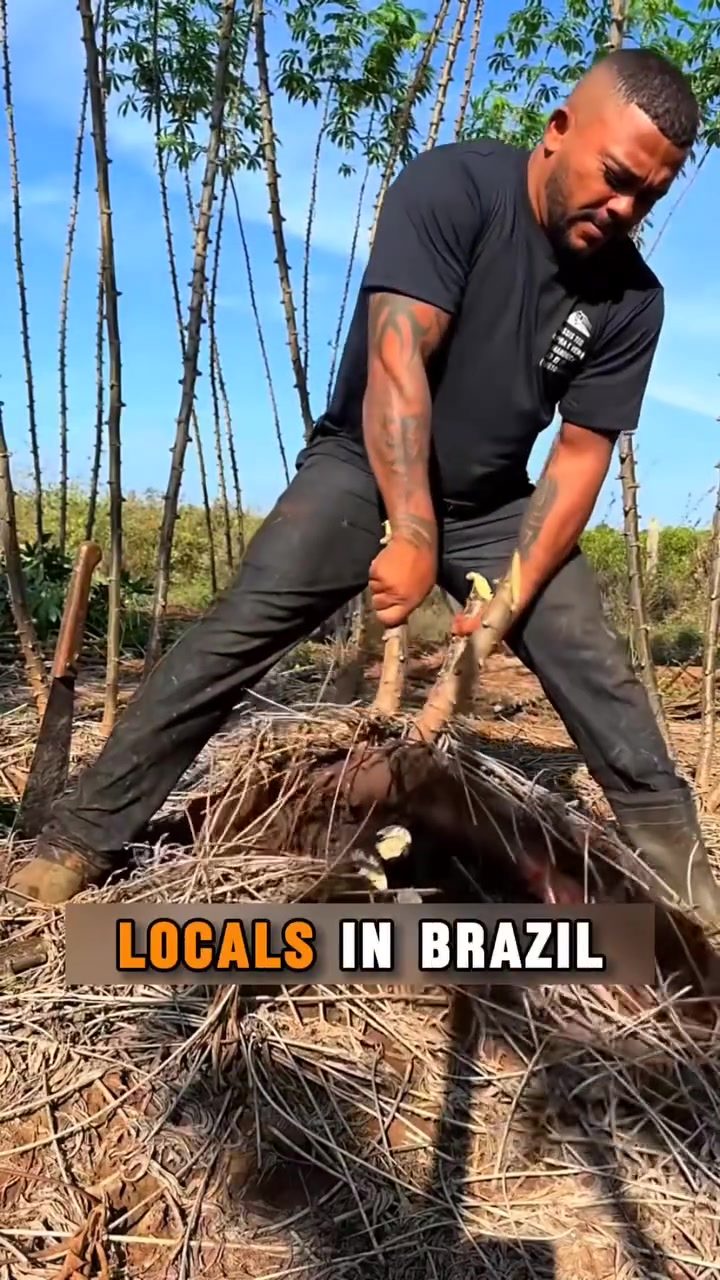
Harvesting cassava in Brazil is a meticulous process that begins with the cutting of stalks using machetes. This initial step prepares the plant for extraction. Using a pry bar, farmers then pull the entire plant, including its roots, out of the ground with minimal effort. This efficiency is a testament to the simplicity and effectiveness of the harvesting method.
Growing Cassava
Cassava is remarkably easy to grow. Farmers typically plant stem cuttings, which are pieces of the plant's stem. These cuttings are simply placed in the ground, and within about 10 months, the crop is ready for harvest. This short growth period makes cassava an attractive option for farmers looking for quick yields.
Pest Resistance
One of the standout features of cassava is its natural resistance to pests. The roots and leaves of the plant contain natural toxins that help protect it from most pests. This inherent defense mechanism reduces the need for pesticides, making cassava a more sustainable and environmentally friendly crop to grow.
Nutritional Value
Cassava is highly nutritious and serves as a major food crop globally. However, it is essential to peel, soak, and thoroughly cook cassava before consumption. This preparation ensures that the natural toxins in the plant are neutralized, making it safe to eat. The roots are rich in carbohydrates and provide a good source of energy.
Beyond Food
The versatility of cassava extends beyond its use as a food source. In Brazil, people plant the stems directly into the ground to create living fences. These natural barriers quickly take root and grow into green fences that are both easy and inexpensive to maintain. This innovative use of cassava stems showcases the plant's practical applications in agriculture and landscaping.
Practical Tips
- Planting: Use stem cuttings for planting. Place them directly in the ground, ensuring they are well-spaced to allow for growth.
- Harvesting: Use machetes to cut the stalks and a pry bar to extract the plant and its roots. The process should be straightforward with minimal effort required.
- Preparation: Always peel, soak, and thoroughly cook cassava before consuming to remove natural toxins.
- Pest Control: Relax, as cassava naturally resists most pests, reducing the need for chemical interventions.
- Creative Uses: Consider planting cassava stems to create living fences, which are cost-effective and eco-friendly barriers.
Important Takeaways
- Ease of Cultivation: Cassava is easy to grow and harvest, making it a practical choice for farmers.
- Nutritional Benefits: It is a highly nutritious food source, providing essential carbohydrates.
- Pest Resistance: The natural toxins in cassava roots and leaves protect the plant from pests.
- Versatility: Beyond food, cassava stems can be used to create living fences, showcasing its versatility.
Conclusion
Cassava is more than just a root vegetable; it is a sustainable and multifunctional crop. From its ease of cultivation to its nutritional value and practical uses, cassava stands out as an essential crop in agriculture. Learning from Brazil's expertise in cassava farming can provide valuable insights for farmers worldwide, inspiring innovative and efficient agricultural practices.
Questions readers ask
Why is cassava so important in tropical regions?
Cassava is crucial in tropical regions due to its ability to thrive in harsh conditions, such as drought and poor soil, making it a reliable food source. It is also highly nutritious, providing essential carbohydrates, vitamins, and minerals. Furthermore, cassava has various practical uses beyond food, including its application in industrial and medicinal products.
What makes Brazilian cassava harvesting techniques unique?
Brazilian cassava harvesting techniques are unique because they have been refined over generations to maximize efficiency and sustainability. These techniques utilize simple, often inexpensive tools, and prioritize environmental stewardship, making them particularly suitable for small-scale and subsistence farmers.
What are the key steps in the Brazilian cassava harvesting process?
The Brazilian cassava harvesting process begins with carefully cutting the stalks and removing the leaves. Farmers then use simple tools like machetes and hoes to dig up the roots, ensuring they are not damaged. The roots are then sorted, cleaned, and prepared for storage or immediate use. This process is designed to minimize waste and optimize the yield.
What tools do Brazilian farmers typically use for cassava farming?
Brazilian farmers rely on simple, inexpensive tools for cassava farming. These tools often include machetes for cutting stalks and hoes for digging up the roots. The simplicity and affordability of these tools make them accessible to farmers with limited resources, contributing to the sustainability of cassava farming in the region.
How do Brazilian farmers prepare cuttings for cassava planting?
Brazilian farmers prepare cassava cuttings by selecting healthy stalks from mature plants. They cut these stalks into sections, each containing at least one node, which is the point from which new roots and shoots will grow. These cuttings are then planted directly in the ground, where they quickly establish themselves and begin to grow into new cassava plants.
What are some sustainable practices used in Brazilian cassava farming?
Sustainable practices in Brazilian cassava farming include crop rotation, intercropping, and the use of organic fertilizers. Farmers also prioritize water conservation and soil health, often using traditional methods like mulching and composting. These practices help maintain the fertility of the land and ensure the long-term viability of cassava farming.
Can cassava be grown in regions outside of the tropics?
While cassava is best suited to tropical regions, it can be grown in other climates with proper care. In regions with cooler temperatures, farmers may need to provide additional protection, such as mulching or using greenhouses, to ensure the cassava plants can thrive. Additionally, selecting appropriate varieties that are more tolerant to cooler conditions can improve success.
Recent articles
Fresh deep dives from the latest Reels we unpacked.




Comments
Be the first to comment.