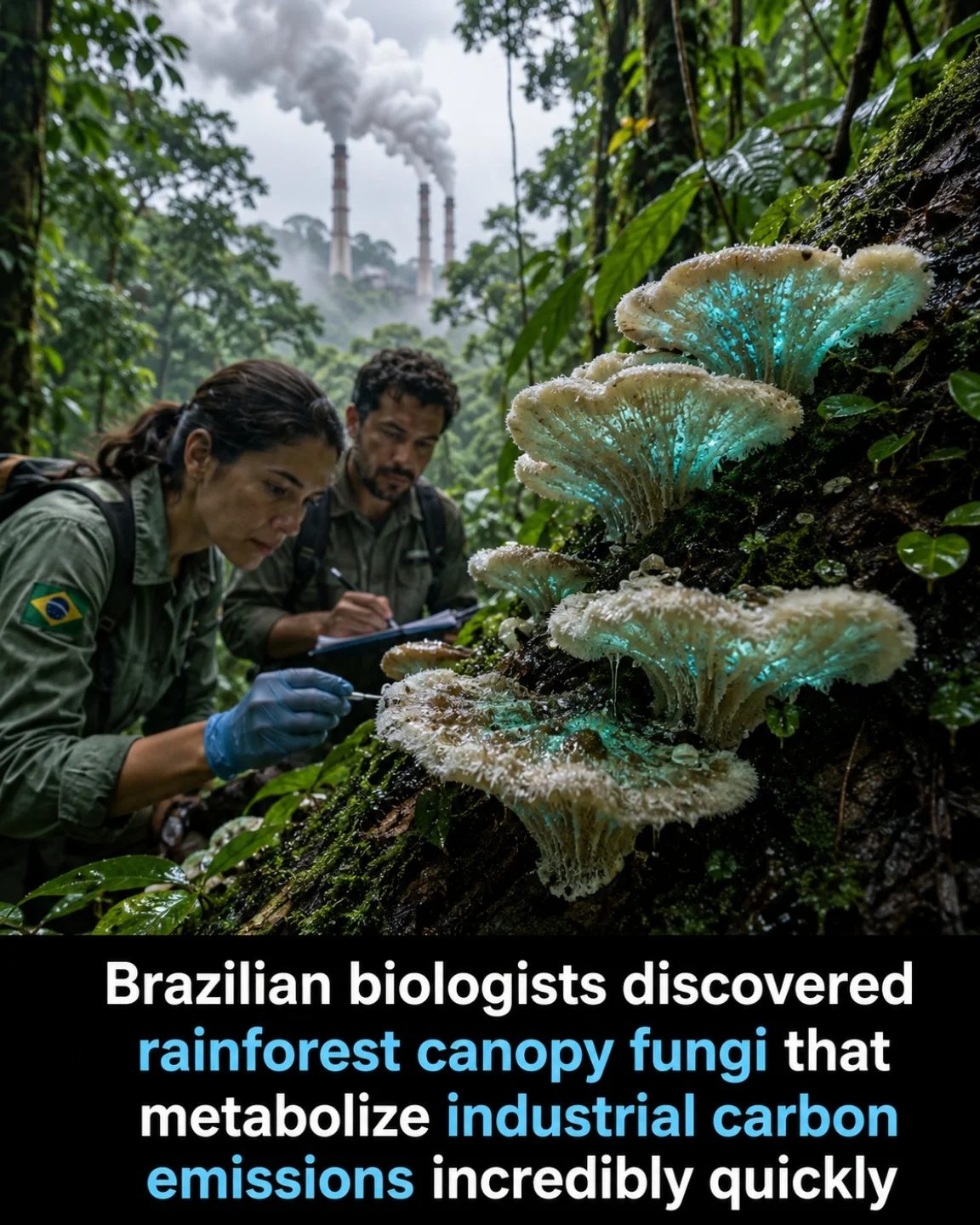
Fungi Metabolizing Carbon Emissions
The discovery of fungi in the rainforest canopy that can metabolize industrial carbon emissions is a fascinating development in the scientific community. Brazilian biologists have made significant strides in understanding how these fungi can potentially mitigate the impact of carbon emissions.
Why This Matters
Carbon emissions are a major contributor to climate change, and finding natural solutions to reduce their impact is crucial. The role of fungi in this process is particularly intriguing because it highlights the potential of nature-based solutions to address environmental challenges. Understanding how these fungi function could lead to innovative strategies for carbon sequestration and environmental conservation.
The Science Behind the Discovery
Understanding Fungi in the Rainforest Canopy
The rainforest canopy is a complex ecosystem teeming with diverse life forms, including fungi. These fungi play a crucial role in the nutrient cycling and overall health of the rainforest. The discovery of fungi that can metabolize industrial carbon emissions adds a new dimension to our understanding of their ecological significance. These fungi are capable of breaking down complex carbon compounds, which are a significant component of industrial emissions.
The Metabolic Process
The metabolic process by which these fungi process carbon emissions is incredibly efficient. Unlike traditional methods of carbon sequestration, which can be slow and resource-intensive, this process occurs rapidly. The fungi use the carbon compounds as a source of energy, effectively converting them into biomass. This not only reduces the amount of carbon in the atmosphere but also contributes to the growth and health of the fungus itself.
The Impact of Deforestation
The rainforest is a vital carbon sink, absorbing large amounts of carbon dioxide from the atmosphere. However, deforestation disrupts this natural process, releasing stored carbon back into the atmosphere and reducing the forest's ability to absorb new emissions. The discovery of these fungi highlights the importance of preserving the rainforest ecosystem, as it contains valuable resources that could help mitigate the effects of climate change.
Practical Tips for Leveraging Fungi in Carbon Management
Supporting Rainforest Conservation
One of the most practical steps is to support initiatives that aim to preserve and protect rainforests. This includes advocacy for policies that restrict deforestation, funding conservation projects, and promoting sustainable forestry practices. By safeguarding the rainforest, we ensure that these fungi and other valuable resources continue to thrive.
Research and Development
Investing in research and development is essential to harness the full potential of these fungi. Scientists need to conduct further studies to understand the specific mechanisms by which these fungi metabolize carbon emissions. This knowledge can be used to develop biotechnological applications that mimic or enhance the natural process.
Integration into Industrial Processes
Industrial sectors can explore ways to integrate these fungi into their processes. For instance, companies can establish partnerships with research institutions to develop technologies that use these fungi to capture and process carbon emissions directly at the source. This could lead to cleaner industrial practices and reduced carbon footprints.
Important Takeaways
The discovery of fungi in the rainforest canopy that can metabolize industrial carbon emissions is a significant breakthrough in the field of environmental science. These fungi offer a natural and efficient solution to reducing carbon emissions, highlighting the importance of preserving the rainforest ecosystem. By supporting conservation efforts, investing in research, and integrating these fungi into industrial processes, we can leverage this natural resource to address one of the most pressing challenges of our time.
Conclusion
The role of fungi in metabolizing carbon emissions underscores the intricate balance of nature and the potential of natural solutions to environmental problems. As we continue to explore and understand these fungi, we open up new avenues for addressing climate change. The preservation of the rainforest, investment in research, and integration of these findings into industrial practices are key to harnessing the full potential of these remarkable organisms. By taking proactive steps, we can build a more sustainable future where nature and technology work hand in hand to combat the challenges of carbon emissions.
Related deep dives
Similar reads based on topic and creator.



Recent articles
Fresh deep dives from the latest Reels we unpacked.




Comments
Be the first to comment.