The Unbelievable Story of a Hiker's Impalement and 10-Mile Trek
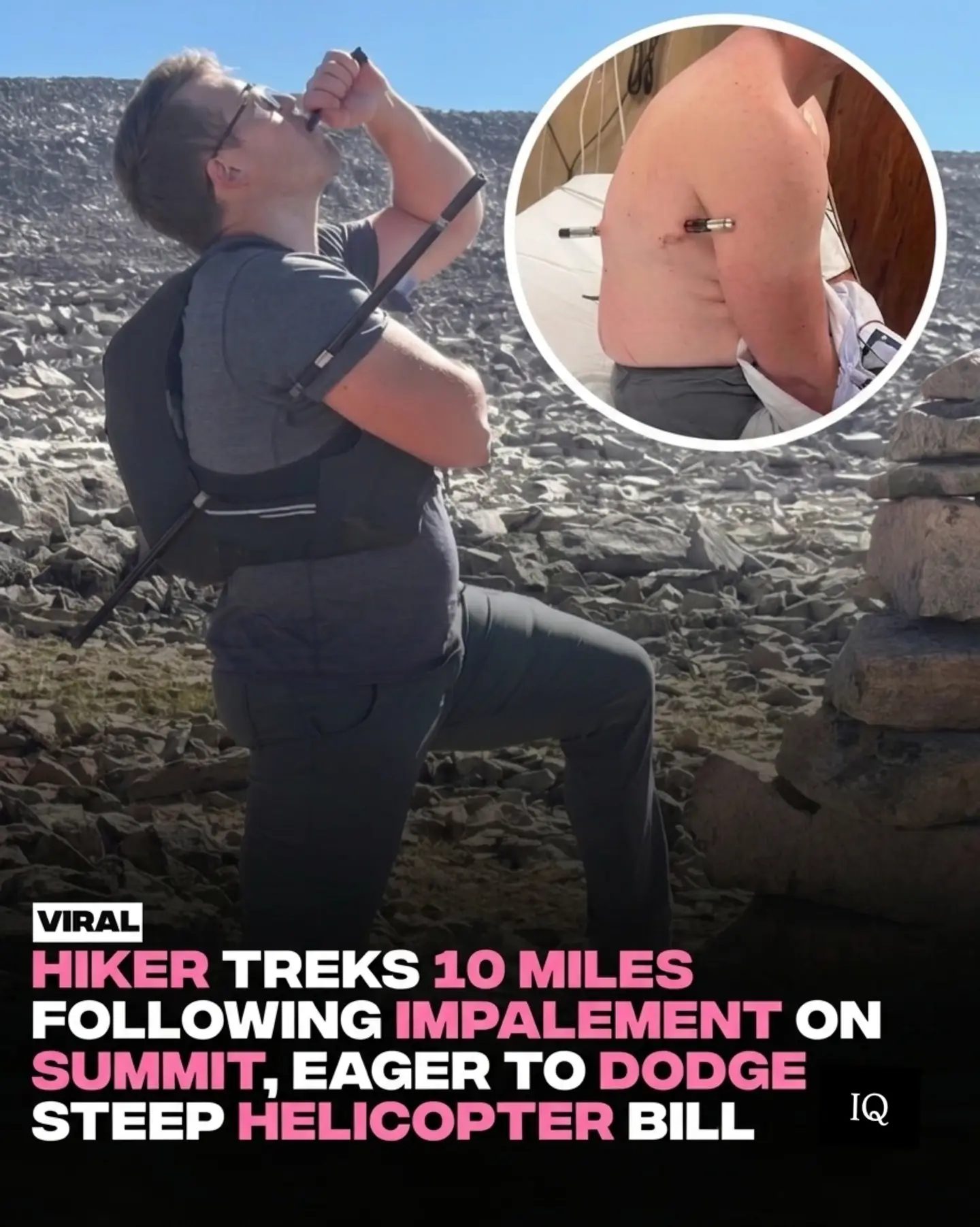
A rugged mountain hike took a dramatic turn when a hiker suffered a freak accident. Falling during the trek, his own trekking pole snapped and impaled him through the upper back, exiting near his shoulder. Instead of panicking and calling for a medical helicopter rescue, which can cost upwards of $10,000 to $50,000, he assessed his condition and found that he was stable. An astonishing decision was made as he walked 16 km (10 miles) down the steep mountain with the pole still lodged inside him, to avoid the exorbitant rescue bill. This incredible survival story went viral and highlighted the unusual and dramatic nature of the incident.
Why This Matters
This story isn't just about a harrowing mountain experience. It also underscores the importance of quick decision-making in extreme situations, as well as the financial considerations that can influence choices in emergency scenarios. The hiker's ability to keep calm and maintain composure during a severe injury is a testament to human resilience and practical thinking. Moreover, the incident serves as a reminder of the inherent risks associated with outdoor adventures and the need for proper preparation and knowledge.
The Incident
The Accident
While hiking in a rugged, mountainous terrain, the hiker took a fall. The unfortunate twist was that his trekking pole snapped and impaled him through his upper back, exiting near his shoulder. This kind of injury is exceptionally rare and highlights the unpredictable nature of outdoor activities. In such a scenario, the immediate response can make a significant difference in the outcome.
The Decision
The hiker's decision not to call for a helicopter rescue was driven by the potentially high cost of such a service. Helicopter rescues can range from $10,000 to $50,000, making it a substantial financial burden. This decision indicates a clear understanding of his condition and the risks involved. Instead of panicking, he assessed his situation, realized he was stable, and decided to descend the steep mountain on his own. This choice not only saved him from a hefty bill but also allowed him to avoid potential complications that might arise from a helicopter rescue.
The Trek
Walking 10 miles with a pole impaled in his back is an astonishing feat of endurance and resilience. The hiker's ability to manage such a severe injury and continue the trek is a testament to his mental and physical fortitude. The rocky, mountainous landscape, which can be challenging even under normal circumstances, added to the difficulty of the journey. The fact that he was able to complete the trek without further complications is a remarkable achievement.
The Recovery
After reaching a safer area, the hiker underwent surgery to safely remove the pole. Miraculously, the impalement had missed critical organs such as his lungs, heart, and major arteries by mere millimeters. This outcome is a testament to the skill of the surgeons and the hiker's lucky escape. The hiker made a full recovery, which is a rare and fortunate outcome given the severity of the injury.
Practical Tips for Hiking Safety
Preparation and Equipment
Even with proper preparation, accidents can happen. Being well-equipped with the right gear can make a significant difference in handling emergencies. Ensure you have a reliable first aid kit, a fully charged phone, and a means of signaling for help. Knowing basic first aid is also crucial in handling injuries while awaiting professional medical assistance.
Risk Assessment
Assessing the terrain and your fitness level before embarking on a hike is essential. Know your limits and plan your route accordingly. If you are hiking in remote areas, let someone know your plans, including your expected return time.
Decision Making
In an emergency, quick and clear decision-making is vital. Stay calm and assess your situation. If you have a severe injury, prioritize seeking medical help over other considerations. However, understanding the costs and risks associated with different types of rescues can also inform your choices.
Physical and Mental Fitness
Physical fitness is crucial for handling the demands of a hike, but mental resilience is equally important. Developing a strong mindset can help you cope with unexpected challenges and make better decisions under stress.
Important Takeaways
The story of the impaled hiker serves as a reminder of the inherent risks in outdoor activities. It underscores the importance of preparedness, quick thinking, and resilience. The hiker's experience highlights the financial considerations that can influence decisions in emergency situations and the potential for remarkable outcomes in the face of extreme adversity.
Conclusion
This extraordinary incident offers valuable insights into the risks and rewards of outdoor adventures, particularly hiking. It demonstrates the importance of practical decision-making, quick thinking, and resilience in the face of severe injuries. While stories like this are rare, they serve as important reminders to always be prepared and make informed choices when venturing into the wilderness. The hiker's ability to navigate such a dire situation is a testament to human resilience and the power of decisive action.
Questions readers ask
What should I do if I get injured while hiking and I'm far from help?
First, stay calm and assess your injuries. If you are stable, consider your options for self-rescue. Only call for emergency services such as a helicopter rescue if absolutely necessary. Keep in mind that these services can be extremely costly, depending on your location and insurance coverage.
Can a trekking pole cause serious injury?
Yes, a trekking pole can cause serious injury if not used properly. The hiker in this story suffered a severe injury when the pole impaled his back. Always follow manufacturer guidelines for use and maintenance to minimize risks.
How can I prepare for potential injuries while hiking?
Carry a basic first aid kit and know how to use it. Learn basic first aid skills, such as how to treat cuts, burns, and breaks. Make sure someone knows your hiking plans and when you expect to return. Consider carrying a personal locator beacon for emergencies.
What are the risks of mountain hiking?
Mountain hiking can present numerous risks, including falls, extreme weather, wildlife encounters, and getting lost. Always research the trail beforehand, check the weather forecast and consider hiking with a partner.
What should I do if someone in my hiking group gets injured?
Assess the injury and administer basic first aid if necessary. If the injury is severe, consider your options for self-rescue. If a rescue is necessary, call emergency services immediately. Stay with the injured person and keep them warm and hydrated.
How can I avoid hiking injuries?
To avoid injuries, always wear appropriate footwear and clothing. Stay hydrated and take breaks as needed. Be aware of your surroundings and watch your step. Use trekking poles properly and inspect them regularly for damage. Consider using an emergency beeper.
What are the costs associated with a helicopter rescue?
Helicopter rescues can be extremely expensive, with costs ranging from $10,000 to $50,000 or more, depending on the location, distance, and duration of the rescue. These costs are often passed on to the individual being rescued or their insurance provider.
Related deep dives
Similar reads based on topic and creator.



Recent articles
Fresh deep dives from the latest Reels we unpacked.




Comments
Be the first to comment.